
 Pin It
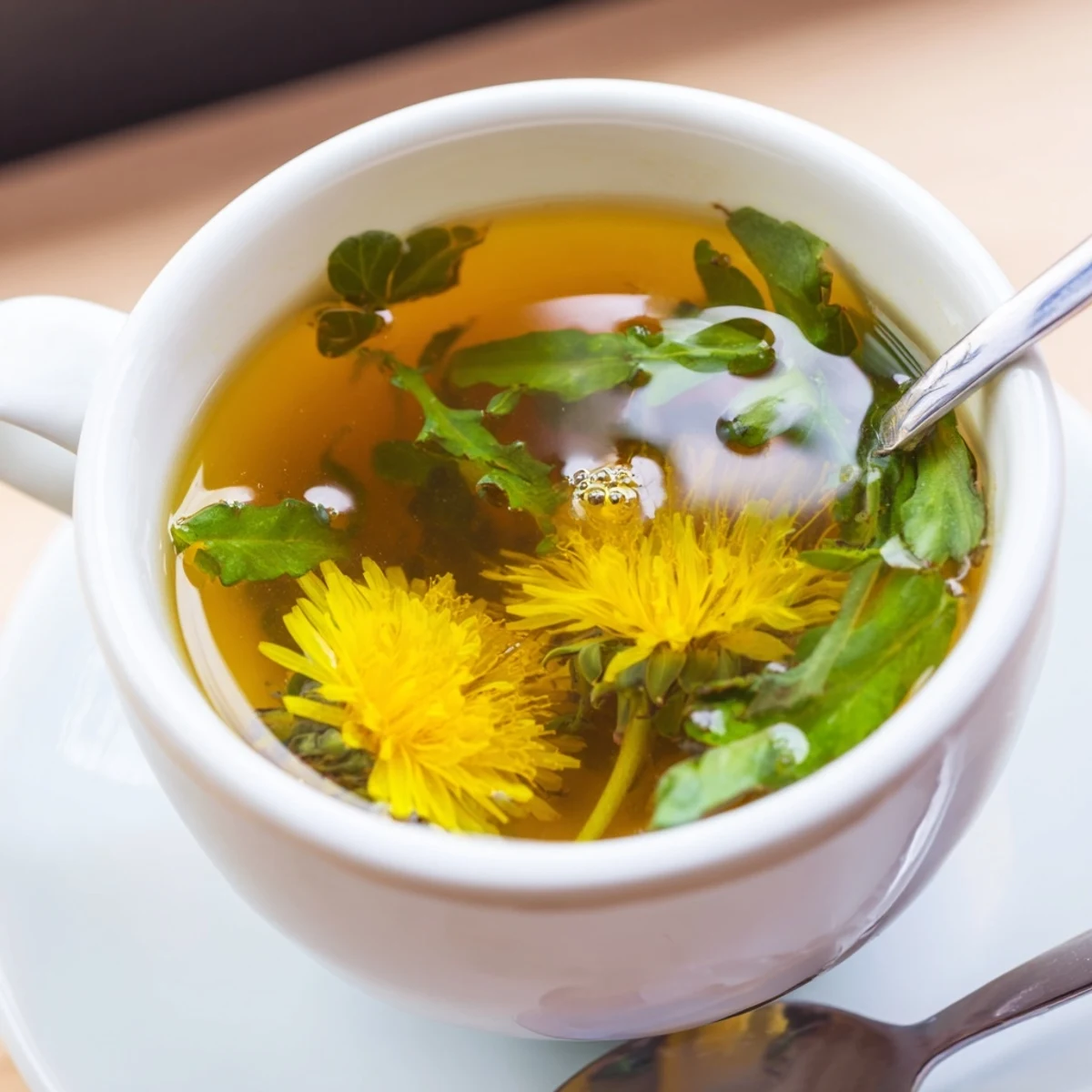
 This traditional herbal infusion harnesses the natural properties of dandelion plants to create a gentle, cleansing beverage. The preparation combines carefully washed fresh petals and leaves with filtered water, steeped for 8-10 minutes to extract the beneficial compounds. The result is a light, earthy brew with subtle floral notes that can be enhanced with honey or lemon. Dandelion tea has been used for centuries in European herbal traditions to support digestive health and natural detoxification processes. The versatile preparation allows for customization through blending leaves and petals or incorporating roasted roots for a deeper flavor profile.
My grandmother taught me that the best medicine often grows right beneath our feet. I was skeptical the first afternoon she sent me into the backyard with a colander, but there is something deeply satisfying about turning those stubborn yellow weeds into something nourishing. Now every spring when I see those bright dots peppering the lawn, I feel a quiet excitement instead of annoyance.
Last summer my neighbor caught me harvesting dandelions from the strip of grass between our houses and looked at me like I had lost my mind. Two weeks later she was borrowing my basket and asking for the recipe, her own curiosity piqued by the simple earthy aroma drifting through the fence. We now have standing tea dates whenever the yard gets overgrown.
Ingredients
- Fresh dandelion petals and leaves: Harvest from areas you know have not been sprayed with chemicals, ideally early morning when the flowers are fully open. The petals lend a subtle sweetness while the greens provide that characteristic earthy bite.
- Filtered water: Since this tea has such a delicate flavor, clean water really does make a noticeable difference in the final cup.
- Honey or maple syrup: A tiny amount takes the sharp edge off the bitterness without masking the herbal notes.
- Fresh lemon: Just a slice transforms the entire experience, adding brightness that makes the earthiness feel refreshing rather than heavy.
Instructions
- Clean your harvest thoroughly:
- Gently shake the dandelion heads and leaves under cool running water, checking the undersides for any hidden dirt or tiny garden visitors. Pat them dry with a clean towel if they seem especially wet from rinsing.
- Bring the water to a gentle boil:
- Heat your water in a small saucepan until you see bubbles forming around the edges, then remove from heat. You do not want a rolling boil here as it can make the final tea taste flat.
- Combine flowers with hot water:
- Place your cleaned dandelion petals and leaves into a teapot or heatproof container, then carefully pour the hot water over them. The steam will carry the most beautiful faint floral scent as it hits the flowers.
- Let it steep uncovered briefly, then cover:
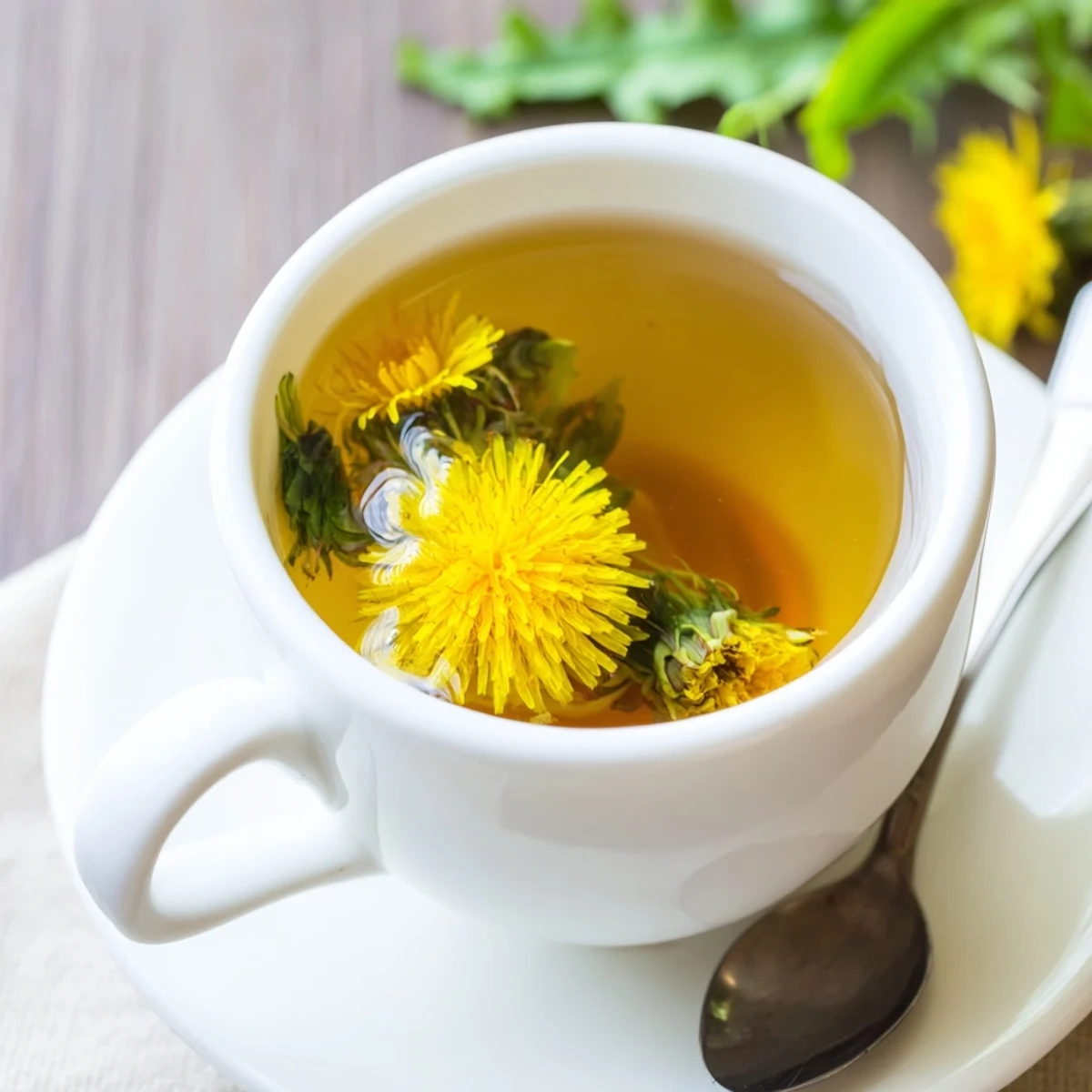
- Allow the mixture to steep for 8 to 10 minutes, keeping it covered to trap the volatile oils that give this tea its character. The liquid will turn a lovely light golden color.
- Strain and serve:
- Pour the tea through a fine mesh strainer into your favorite mug, catching all the plant material. Add honey if you like and stir until dissolved, then finish with that lemon slice for brightness.
 Pin It
 There is a particular peace in sipping something you foraged yourself, especially on rainy Sunday afternoons when the garden is off limits. I have started keeping small jars of dried petals in the pantry just for those gray days when I need a reminder that spring always returns.
When to Harvest
The best dandelions for tea are young flowers picked before they go to seed, ideally in the morning after the dew has dried but before the sun gets too intense. Late season flowers tend to be more bitter, so get out there early in spring when those first cheerful yellow heads appear.
Beyond the Flowers
Those bitter leaves everyone tries to eliminate from their lawn are actually packed with vitamins and minerals. I have started throwing a handful into smoothies or sautéing them with garlic as a side dish, though the tea remains my favorite way to enjoy them.
Storing Your Harvest
Fresh dandelions do not keep well, so use them within a day or two of harvesting. For longer storage, spread the petals and leaves on a baking sheet and dry them in a very low oven or dehydrator until crispy.
- Store dried dandelion in glass jars away from direct sunlight.
- Label your jars with the harvest date since potency fades after about six months.
- Mix dried petals with peppermint for a refreshing winter blend.
 Pin It
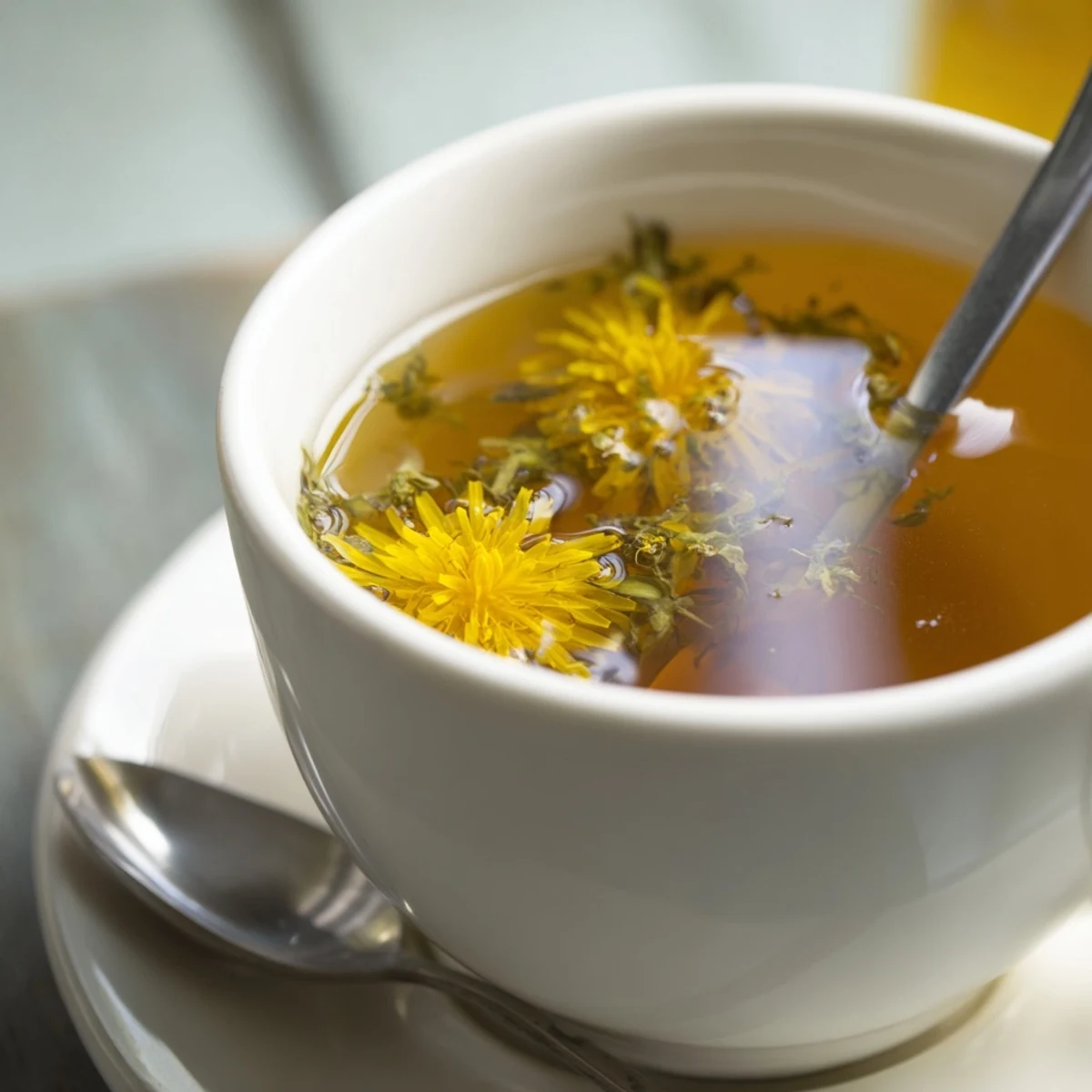
 Every cup feels like a small act of rebellion against the idea that food must come from shelves. I hope this simple tea brings you the same quiet joy it has brought to my kitchen.
Recipe Questions & Answers
- → What does dandelion tea taste like?
-
Dandelion tea has a light, earthy flavor with subtle floral undertones. Fresh petals impart a delicate sweetness while leaves contribute mild vegetal notes, creating a balanced herbal infusion.
- → How long should I steep the dandelions?
-
Allow the dandelions to steep covered for 8-10 minutes in hot water. This duration ensures optimal extraction of beneficial compounds while developing a smooth, rounded flavor profile.
- → Can I use dried dandelion instead of fresh?
-
Yes, dried dandelion works beautifully. Use 2 tablespoons of dried petals or leaves in place of 2 cups fresh. The dried version offers a more concentrated flavor and year-round availability.
- → What are the health benefits of drinking dandelion tea?
-
Dandelion tea is traditionally valued for its detoxifying properties and digestive support. The natural compounds in dandelion greens and petals may help gentle cleansing and promote healthy digestion.
- → Can I add other ingredients to enhance the flavor?
-
Honey or maple syrup adds natural sweetness, while a slice of lemon brings brightness. For a deeper, coffee-like brew, try steeping roasted dandelion roots alongside the petals and leaves.
- → Where should I harvest dandelions for tea?
-
Always harvest from areas free of pesticides or herbicides, away from roadsides and treated lawns. Choose young, vibrant plants and wash thoroughly to remove dirt and debris before use.