
 Pin It
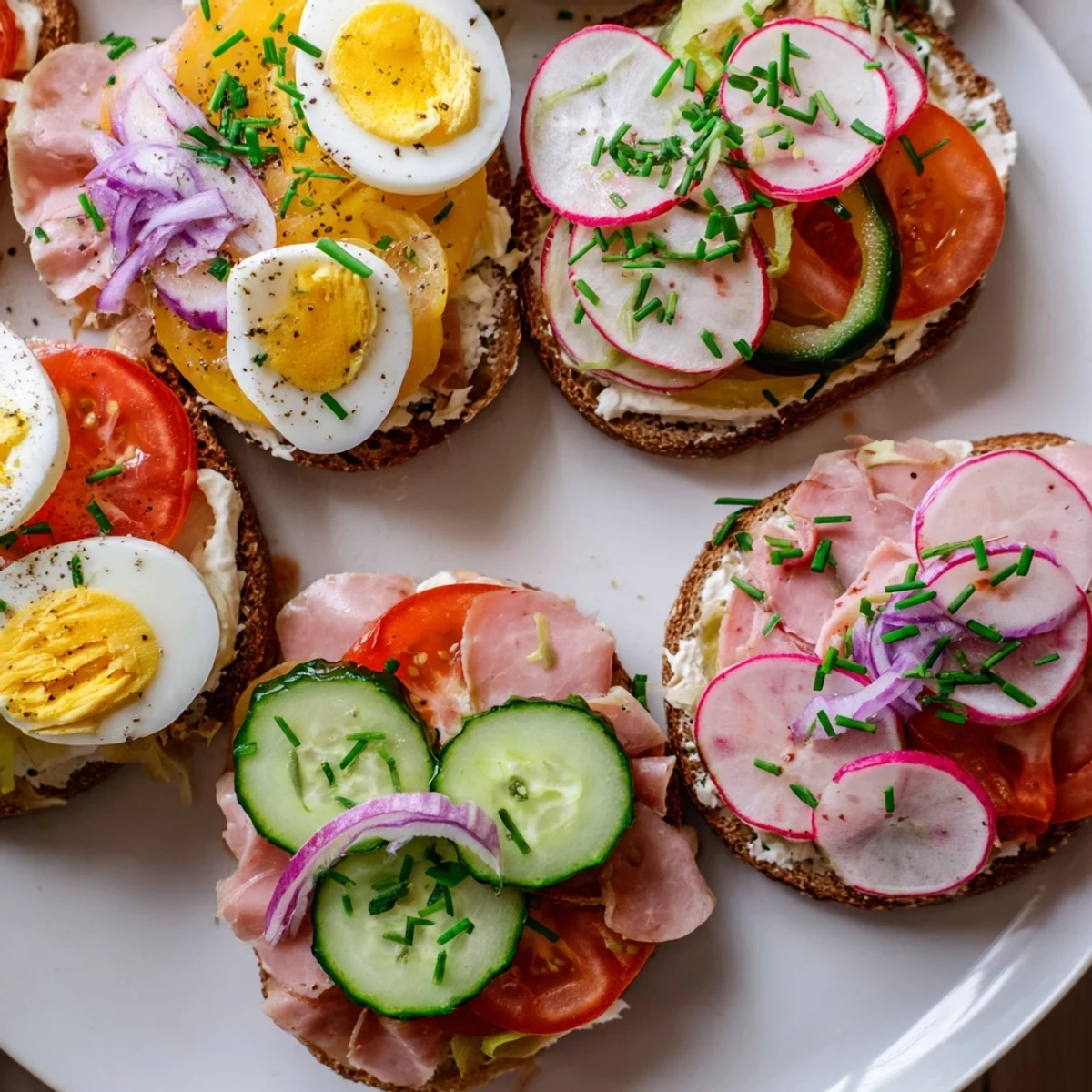
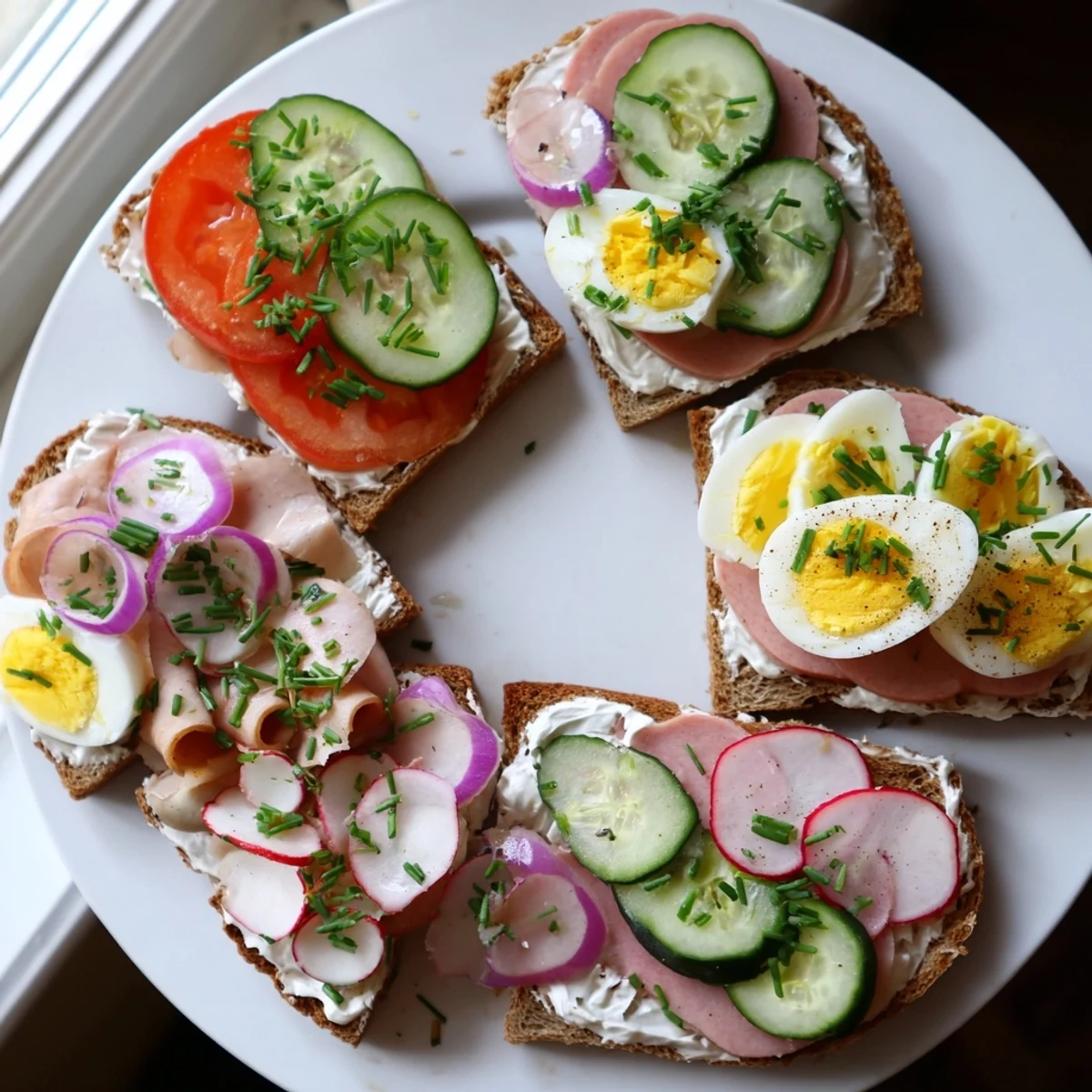
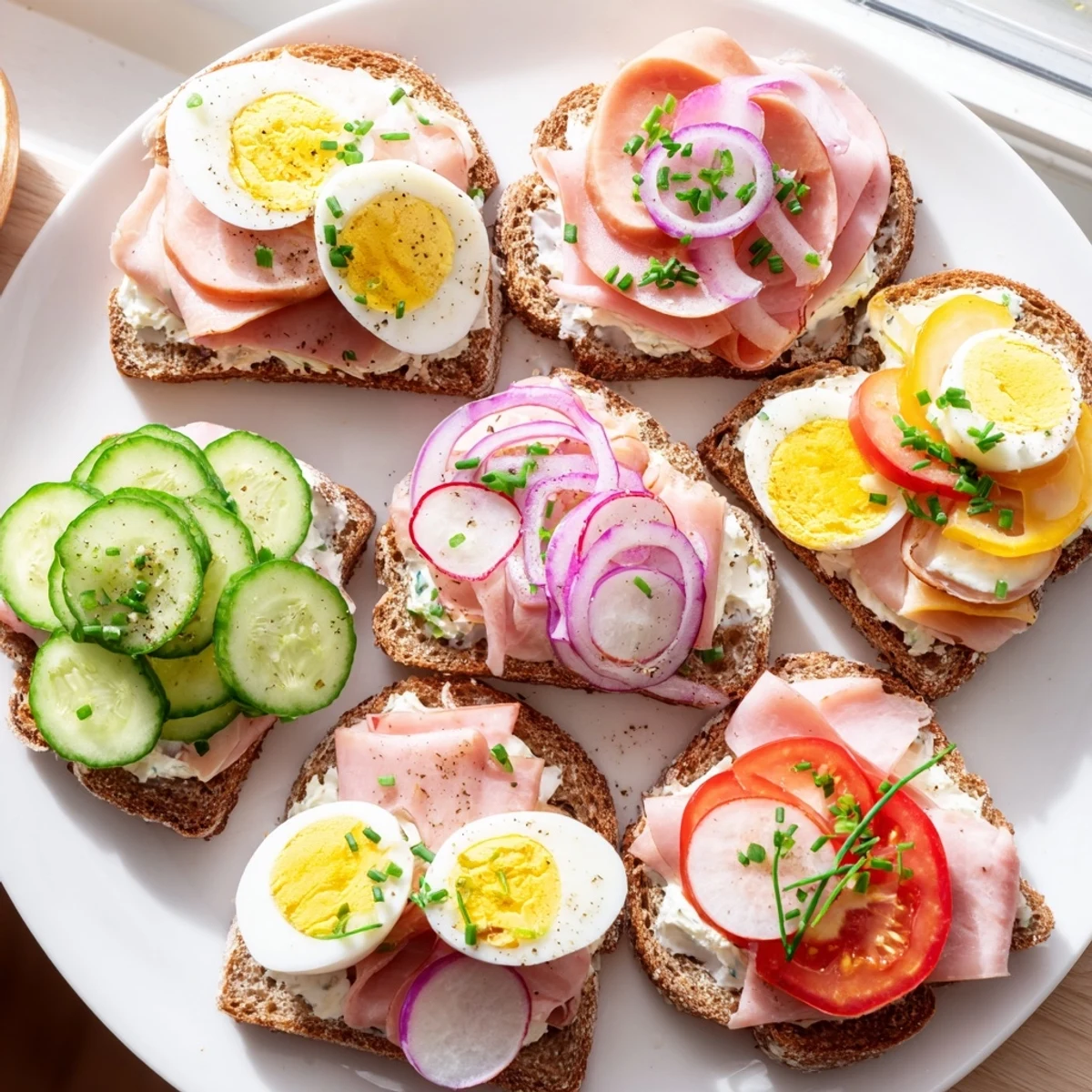
 Polish kanapki are classic open-faced sandwiches built on slices of rye or rustic white bread, generously spread with softened butter or cream cheese. Each slice is individually topped with a colorful arrangement of smoked ham, thinly sliced kielbasa, hard-boiled eggs, crisp cucumbers, radishes, tomatoes, and tangy cornichons.
These sandwiches are a staple of Polish hospitality, served at breakfast, lunch, or as party appetizers. The beauty lies in their simplicity and endless customization — each guest can choose their favorite combination of toppings, finished with a sprinkle of fresh chives and cracked black pepper.
The summer I stayed with my babcia in Krakow, she taught me that a sandwich could be a love letter. Every morning she would line up slices of rye on a wooden board and layer them with whatever the garden and pantry offered that day. There was no rushing, no elaborate cooking, just careful hands arranging radish coins and chive snippets like tiny celebrations. I learned that simplicity, when treated with care, becomes its own kind of luxury.
My friend Marta once brought a tray of these to a picnic and watched three strangers argue over the last one topped with egg and radish. That is the quiet power of a well-made open-faced sandwich: it looks humble but disappears fast. I now make a double batch every time company comes over because gone is always faster than expected.
Ingredients
- Rye bread or rustic white bread (8 slices): Dense, sturdy slices hold up to toppings without sagging under butter.
- Unsalted butter, softened (4 tbsp): Softened butter spreads cleanly without tearing the bread, a small detail that matters more than you think.
- Cream cheese (100 g, optional): Adds a tangy base layer especially good under vegetables or smoked fish.
- Smoked ham (4 slices): Fold each slice once instead of laying it flat for better height and texture.
- Polish sausage or kielbasa (4 slices, thinly sliced): Thin coins curl slightly at room temperature and look beautiful fanned across the bread.
- Hard-boiled eggs (4 slices): Slice with a sharp knife or use an egg slicer for even, clean rounds.
- Cucumber, radishes, tomato, red onion (thinly sliced): Slice everything as thinly as possible because delicate cuts make each bite feel refined.
- Cornichons or Polish pickles (8 small, sliced): Their bright acidity cuts through the richness of butter and meat.
- Fresh chives, finely chopped (2 tbsp): Scatter these on last for a fresh onion bite and a pop of green.
- Salt and black pepper: Just a pinch on each sandwich wakes up every flavor underneath.
Instructions
- Prepare the canvas:
- Lay all eight bread slices on a large cutting board or serving platter, giving yourself room to work without crowding. If the crusts are very thick, trim them gently with a serrated knife so every bite is tender.
- Spread the base:
- Use a small spatula or butter knife to spread each slice with softened butter, cream cheese, or a layer of both. Cover the entire surface edge to edge because dry corners are a disappointment nobody needs.
- Build your toppings:
- Arrange meats, eggs, and vegetables on each slice in whatever combinations feel right at the moment. Layer colors next to each other rather than stacking everything tall, since visual variety is half the charm.
- Season with care:
- Sprinkle a light pinch of salt and a few cracks of black pepper over each finished sandwich. Go easy here because pickles and cured meats already bring salt to the party.
- Add the finishing touches:
- Tuck pickle slices alongside or on top of the toppings and scatter chopped chives across everything. Step back and look at your tray before serving because adjusting a stray radish slice now saves regret later.
- Serve right away:
- Bring the platter to the table immediately while the bread is still fresh and the butter has not soaked through. Kanapki wait for no one, and that is part of their honest appeal.
 Pin It
 There is something deeply satisfying about standing in a quiet kitchen with a loaf of bread and a cutting board full of colorful ingredients, composing tiny edible portraits. I catch myself slowing down without meaning to, arranging a fan of radish slices just so, making sure each sandwich looks intentional. It becomes a meditation disguised as meal prep.
Vegetarian and Creative Variations
Skip the meat entirely and pile on roasted red peppers, marinated mushrooms, or crumbled feta for a vegetarian version that actually tastes exciting. A smear of horseradish cream under smoked salmon transforms the whole sandwich into something that feels special enough for a holiday table but takes almost no effort.
Serving and Pairing Suggestions
Set out a platter of kanapki alongside a pot of strong black tea or cold lagers and watch how people gravitate toward them instinctively. They work equally well as a lazy weekend breakfast, a light lunch with soup, or the first thing guests reach for at a gathering.
Allergen and Storage Notes
These sandwiches contain gluten from the bread, dairy from butter and cream cheese, and possibly eggs depending on your topping choices, so always check with guests before assembling the tray. Leftovers do not store well, so only make what you plan to eat within the hour.
- Always verify processed meat labels for hidden sulfites or allergens if serving to sensitive guests.
- Keep extra bread and toppings separate in the fridge so you can assemble a fresh round if people want more.
- Remember that the best kanapki are the ones made right in front of you, eaten standing up, with good conversation nearby.
 Pin It
 A plate of kanapki handed to someone is a small act of care that asks nothing complicated in return. Make them once and you will find yourself returning to that cutting board again and again, slicing radishes and spreading butter with quiet, happy hands.
Recipe Questions & Answers
- → What type of bread works best for kanapki?
-
Traditional Polish kanapki are made with dense rye bread or rustic white bread. Rye adds a hearty, slightly sour flavor that pairs wonderfully with butter and savory toppings. Choose freshly sliced bread about 1cm thick for the best structure and texture.
- → Can I prepare kanapki ahead of time?
-
Kanapki are best assembled fresh to prevent the bread from becoming soggy. You can prepare all toppings in advance — slice vegetables, meats, and eggs ahead of time and store them separately in the refrigerator. Assemble the sandwiches just before serving for optimal freshness and presentation.
- → What are traditional topping combinations for Polish kanapki?
-
Popular combinations include butter with sliced hard-boiled egg and chives, cream cheese with smoked ham and cucumber, butter with kielbasa and pickled vegetables, and cream cheese with radishes and black pepper. Each sandwich can feature a single topping or a creative mix.
- → Are kanapki served warm or cold?
-
Kanapki are served at room temperature or chilled. All ingredients should be fresh and cool, making them perfect for buffets, picnics, and warm-weather gatherings. Take butter and cream cheese out of the refrigerator about 30 minutes before assembling so they spread easily.
- → How do I make vegetarian kanapki?
-
Simply omit the meat toppings and load up on fresh vegetables like cucumber, radish, tomato, and red onion. Add sliced cheeses such as Gouda, Twaróg, or smoked cheese for protein. Spreadable cheese with herbs also makes an excellent vegetarian base for vegetable toppings.
- → What occasions are kanapki typically served at in Poland?
-
In Poland, kanapki are incredibly versatile and appear at nearly every occasion. They are common at everyday breakfasts, children's school lunches, workplace snacks, family gatherings, holiday celebrations, and funeral receptions. An elaborate kanapki platter is considered a warm welcome for guests.