
 Pin It
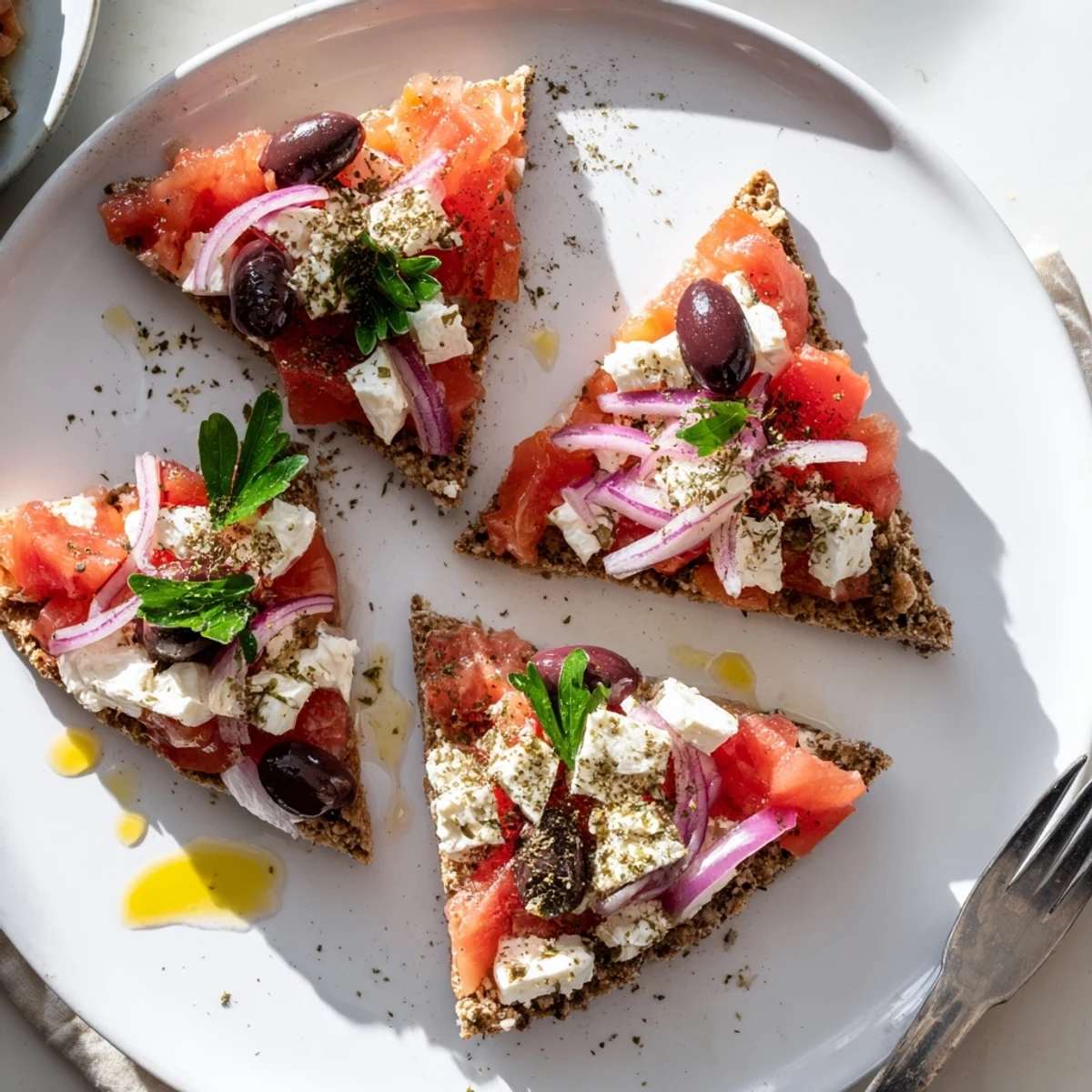
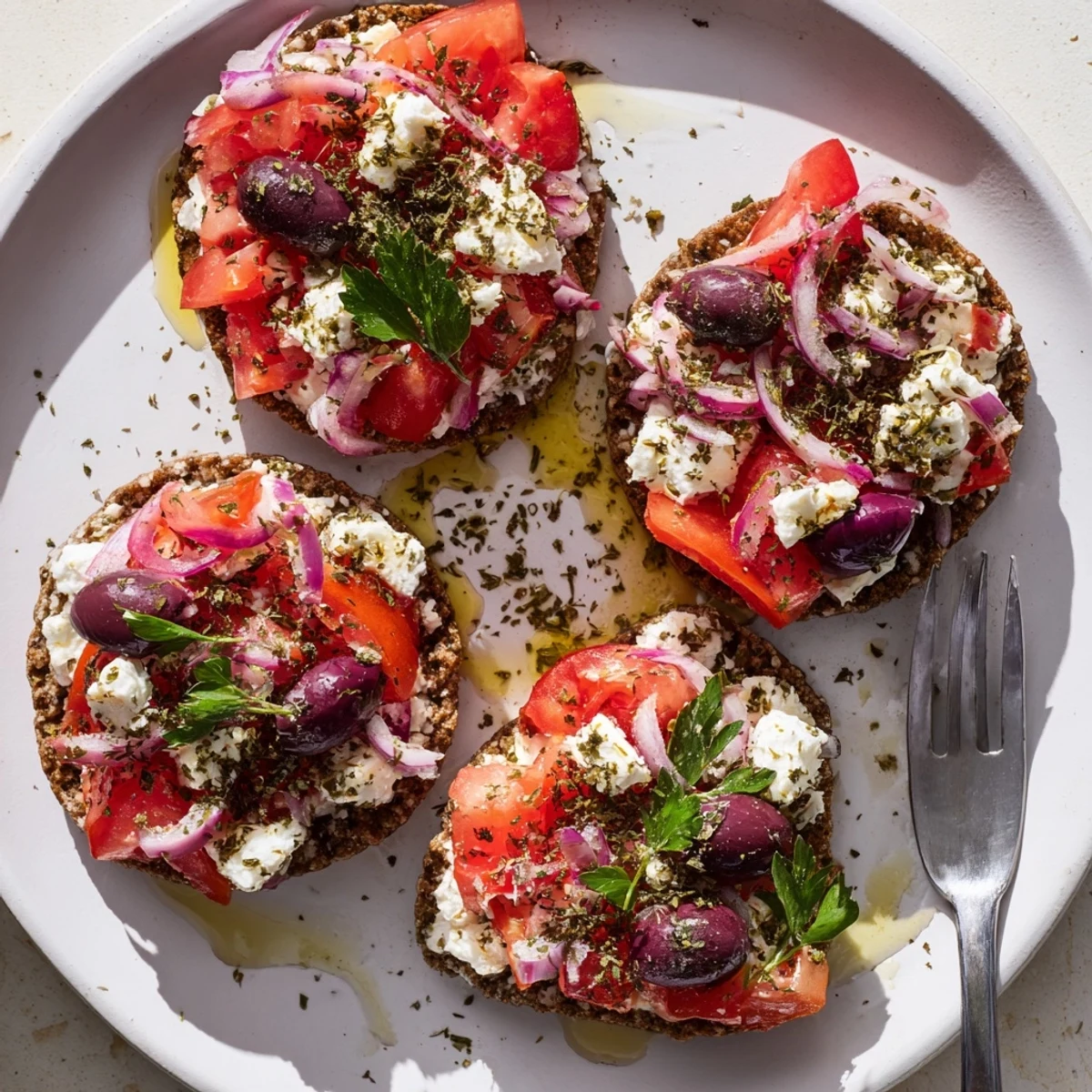
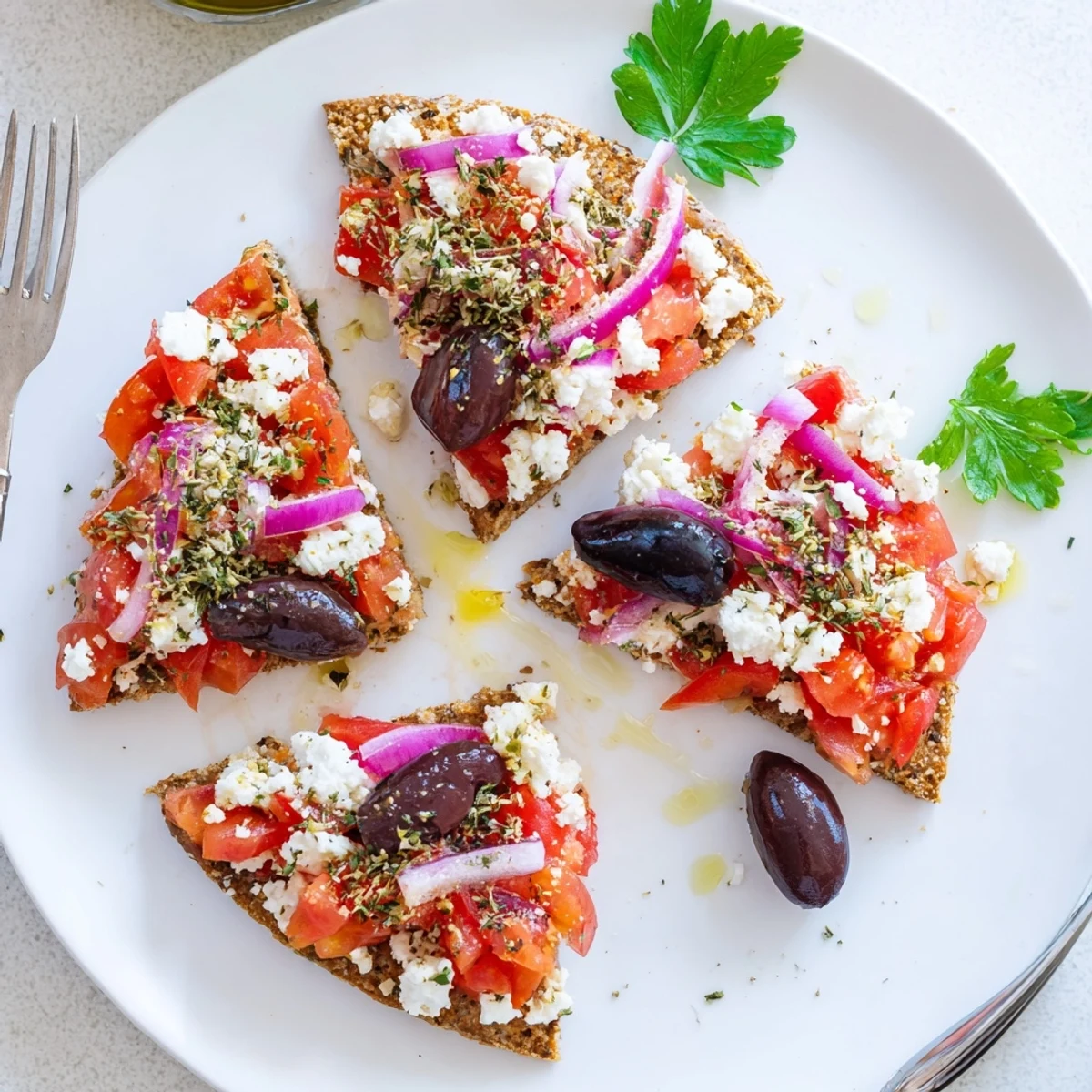
 These crispy Cretan feta rusks bring together the best of Mediterranean flavors in a simple, satisfying appetizer. Hearty barley rusks are lightly toasted in the oven until golden, then topped with ripe diced tomatoes, crumbled feta cheese and fragrant dried oregano.
A generous drizzle of extra virgin olive oil ties everything together, while optional Kalamata olives and fresh herbs add brightness. Ready in just 25 minutes, they make an ideal starter or light lunch for warm weather gatherings.
The afternoon heat in Chania was thick enough to taste when a taverna owner slid a plate of dakos across the table and changed what I thought a snack could be.
Back home I tried recreating it for friends during a July rooftop dinner and the silence after the first bite told me I had gotten it right.
Ingredients
- Cretan barley rusks (dakos): These are the soul of the dish so seek out the real dense ones if you can find them because flimsy substitutes collapse under the toppings.
- Feta cheese: Crumble it by hand into uneven pieces because the varying sizes create little pockets of salty creaminess throughout.
- Ripe tomatoes: Use the reddest softest tomatoes you can find because their juices are what soften the rusk and bind everything together.
- Red onion: A small amount adds a sharp bite that cuts through the richness of the cheese and oil.
- Extra virgin olive oil: Do not skimp here because a grassy peppery oil transforms the entire plate into something luxurious.
- Dried oregano: Rub it between your palms before sprinkling to wake up the essential oils and release its fragrance.
- Black pepper and sea salt: Freshly ground pepper adds warmth and go easy on salt because the feta is already quite briny.
- Kalamata olives (optional): Their briny depth makes each bite more complex and satisfying.
- Fresh basil or parsley (optional): A scattering of herbs at the end brings brightness and a hit of color.
Instructions
- Warm the oven:
- Set it to 180 degrees Celsius and let it come fully to temperature because an even consistent heat ensures the rusks toast without scorching at the edges.
- Prepare the rusks:
- Arrange them on a baking tray and give each one a light flick of water just enough to take the edge off their hardness without making them soggy.
- Toast until golden:
- Bake for seven to ten minutes until the surface feels warm and smells like a grain field in summer and the edges have taken on a faint golden tint.
- Add the first drizzle of oil:
- Pull them from the oven and while they are still warm pour a tablespoon of olive oil over each one watching it seep into every crack and crevice.
- Layer the tomatoes and onion:
- Spoon the diced tomatoes generously over each rusk letting the juices pool and then scatter the red onion on top so its sharpness distributes evenly.
- Crown with feta:
- Crumble the cheese by hand directly over the rusks allowing some pieces to be large and soft and others to fall into tiny salty crumbs between the tomato chunks.
- Season and finish:
- Sprinkle with oregano rubbed between your palms a generous twist of black pepper and a cautious pinch of sea salt then drizzle any remaining oil over the top.
- Garnish and serve:
- Add sliced olives and torn herb leaves if using and carry the plate to the table immediately because the magic is in the interplay of crunch and softness that fades as it sits.
 Pin It
 A neighbor once knocked on my door to borrow salt and ended up staying for an entire plate of these standing in the kitchen eating with her hands.
Cheese Swaps Worth Trying
Feta is traditional but fresh mizithra brings a lighter almost sweet creaminess while goat cheese adds a tangy earthiness that pairs beautifully with the oregano.
What to Pour Alongside
A chilled glass of Assyrtiko or Sauvignon Blanc mirrors the bright acidity of the tomatoes and cleanses the palate between each crunchy salty bite.
Fun Ways to Change It Up
Once you master the basic version the toppings become a playground for whatever looks good at the market.
- Diced cucumbers add a cool crunch that balances the salty cheese.
- Capers scattered over the top introduce a briny pop that works especially well in summer.
- Chopped green peppers bring a fresh bite and a splash of color that makes the plate sing.
 Pin It
 Keep it simple and let each ingredient speak and you will understand why this humble dish has been served on Cretan tables for generations.
Recipe Questions & Answers
- → Can I use regular bread instead of barley rusks?
-
Hearty barley rusks provide the signature crunch that defines this dish. If unavailable, use thick-cut whole grain bread toasted until very crisp. Avoid soft sandwich bread, as it will become soggy under the toppings.
- → How do I prevent the rusks from becoming too hard?
-
Lightly sprinkling the rusks with water before baking softens them just enough while maintaining their crunch. Don't soak them—a few drops per rusk is sufficient. The olive oil drizzle also helps create a pleasant texture.
- → What type of feta works best?
-
Authentic Greek feta made from sheep's milk or a sheep-and-goat blend delivers the creamiest, most tangy result. Look for blocks stored in brine rather than pre-crumbled varieties, which tend to be drier.
- → Can these be prepared ahead of time?
-
You can prepare the toppings separately and store them in the refrigerator for up to a day. Assemble just before serving to keep the rusks crunchy. Once topped, they should be eaten immediately for the best texture contrast.
- → What wine pairs well with Cretan feta rusks?
-
A crisp white wine such as Assyrtiko from Santorini or a Sauvignon Blanc complements the salty feta and herbal oregano beautifully. A light rosé or a chilled dry white from Crete also works wonderfully.
- → Are there good alternatives to tomatoes in winter?
-
When fresh tomatoes lack flavor, try using cherry tomatoes which tend to be sweeter year-round. You can also roast diced tomatoes with a pinch of sugar beforehand, or substitute with a thin layer of quality sun-dried tomatoes.