
 Pin It
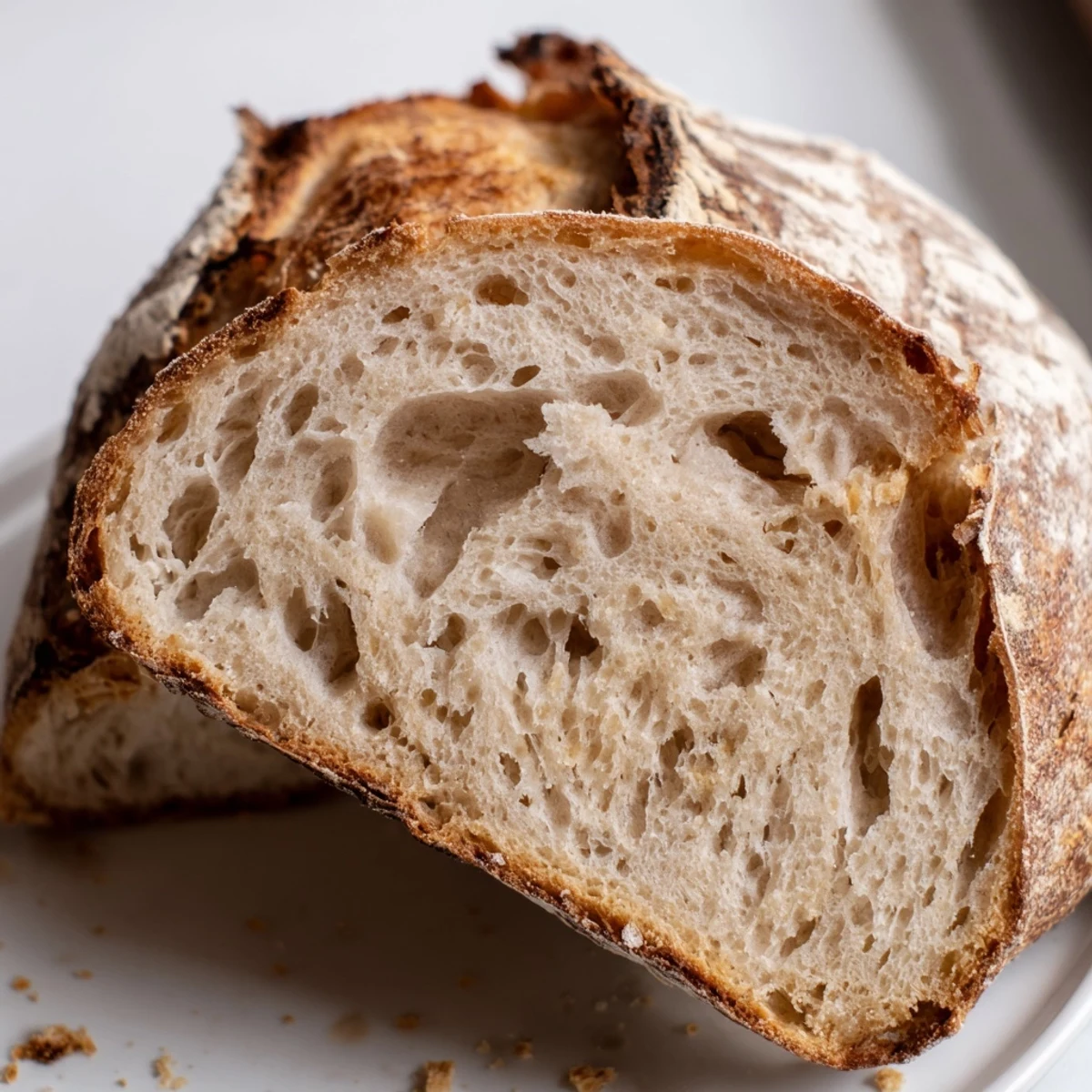
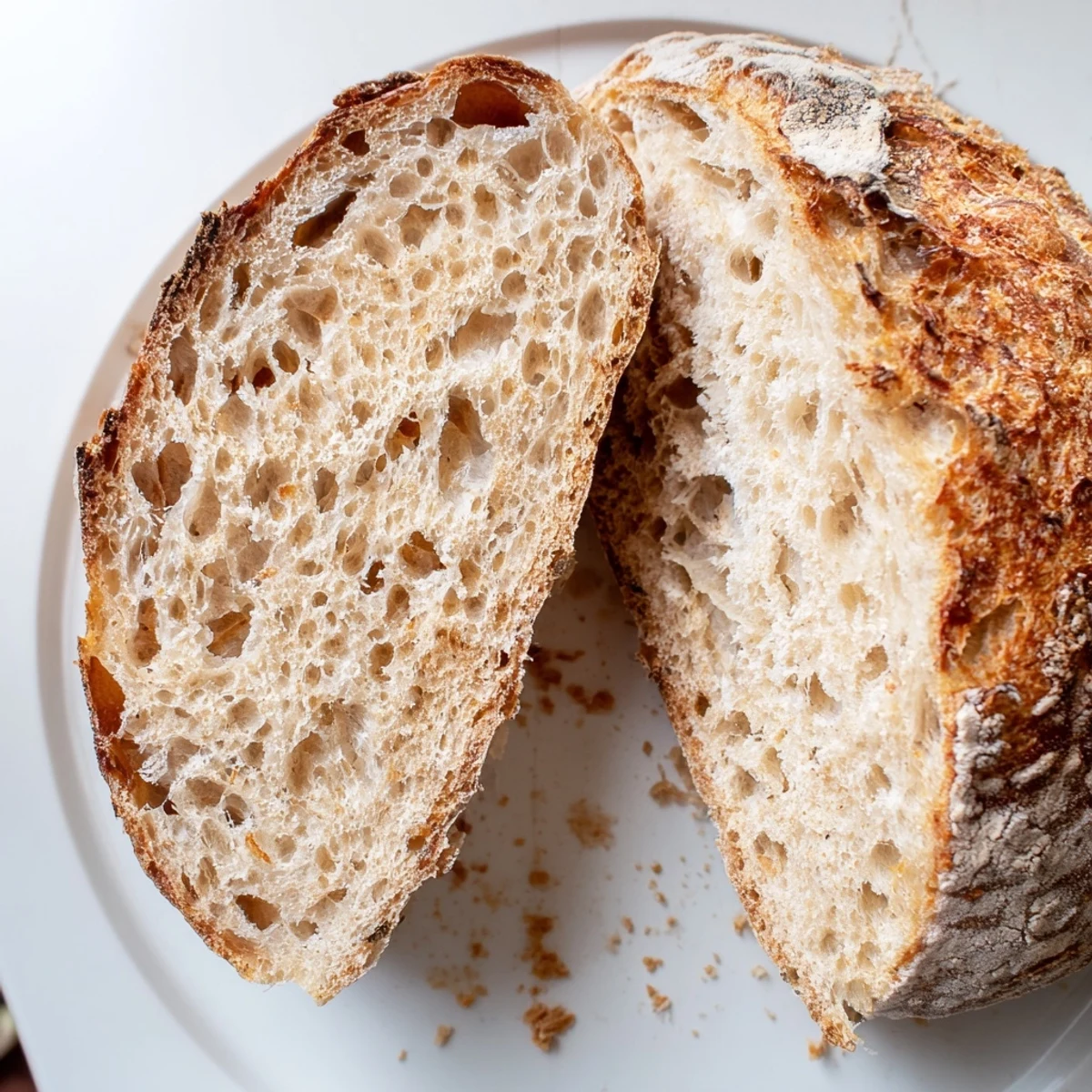
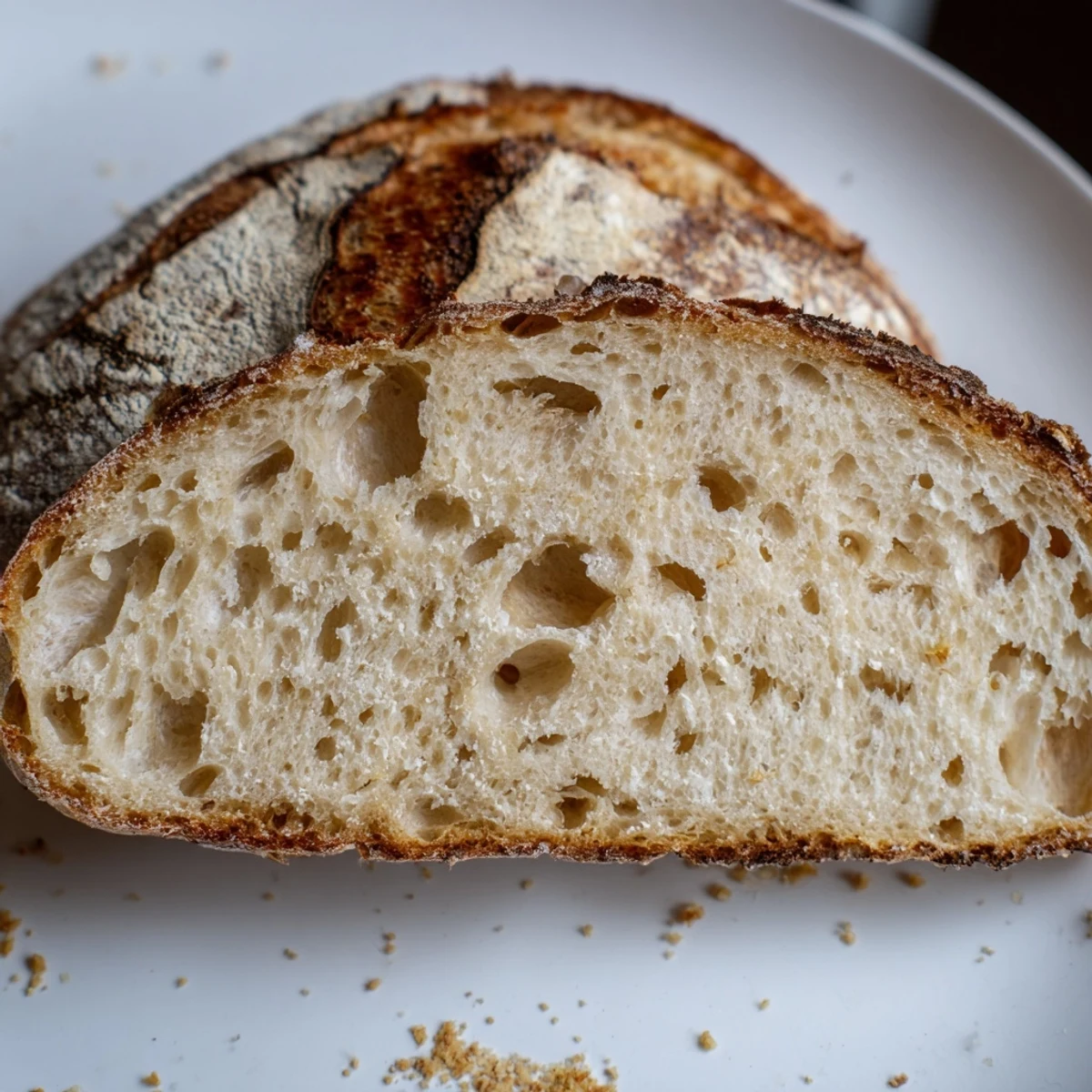
 Craft an exceptional artisan loaf with natural fermentation. This wild yeast creation develops a beautifully caramelized crust and open, chewy interior. The extended fermentation creates complex tangy notes while the high-temperature bake ensures optimal oven spring. Master stretch-and-fold techniques for structure, achieve professional scoring patterns, and discover why this traditional method produces superior flavor and texture compared to commercial alternatives.
The first time I pulled a crackling sourdough loaf from my Dutch oven, my tiny apartment smelled like a bakery I'd loved in Paris. I stood there just watching the crust sing and hiss as it cooled, wondering how flour and water could create something so alive. That evening, I tore into it while it was still too hot, burning my fingers absolutely worth it for that steamy, tangy bite.
My friend Sarah came over during one of my early sourdough experiments, exhausted from work. We sliced into a fresh loaf, slathered it with salted butter, and sat on my kitchen floor eating piece after piece without saying a word. Sometimes bread is better than therapy.
Ingredients
- 100 g active sourdough starter: Use starter thats been fed within 4-8 hours and is bubbling enthusiastically
- 375 g bread flour: High protein flour is crucial for structure and that satisfying chew
- 25 g whole wheat flour: Adds subtle nuttiness and helps fermentation along
- 275 g water room temperature: Filtered water works best, tap chlorine can inhibit wild yeast
- 10 g sea salt: Dont skip or reduce, salt controls fermentation and deepens flavor
Instructions
- Autolyse:
- Mix flours and water until shaggy, cover, and let rest 1 hour to develop gluten
- Mix:
- Work in starter and salt by hand until fully incorporated, about 3-4 minutes
- Bulk Fermentation:
- Let ferment 4-5 hours, stretching and folding every 30-45 minutes
- Pre-shape:
- Gently form into a round on floured surface, rest 20 minutes covered
- Final Shape:
- Create a tight round and place seam side up in floured proofing basket
- Proof:
- Rise 2-3 hours room temp or overnight in fridge for tangier flavor
- Preheat Oven:
- Heat Dutch oven at 250°C (480°F) for 30 minutes minimum
- Score and Bake:
- Score dough, bake covered 20 minutes then uncovered 25 minutes at 220°C (430°F)
- Cool:
- Let cool completely on wire rack, at least 1 hour before slicing
 Pin It
 Last winter, I gifted a loaf to my elderly neighbor who grew up in a bakery household. She took one bite and started crying, said it tasted exactly like her fathers bread. That moment changed how I think about recipes carrying memories forward.
Understanding Fermentation
Wild yeast works slower than commercial yeast, which is exactly why sourdough tastes so complex. Pay attention to your dough, not the clock, and youll start noticing the subtle changes that tell you its ready to move forward.
Getting That Perfect Score
A sharp blade held at a 45-degree angle creates the signature ear that makes sourdough beautiful. Dont be afraid to cut decisively, hesitating will tear the surface instead of opening cleanly.
Storing Your Sourdough
Fresh sourdough is best eaten within 24 hours but keeps well wrapped in cloth for 2 days. After that, slice and freeze it, then toast straight from frozen to revive that freshly baked texture.
- Never store bread in plastic, it turns the crust rubbery
- Revive day old bread with a quick spritz of water and 10 minutes in a hot oven
- Stale sourdough makes the best French toast youve ever had
 Pin It
 Theres something profoundly satisfying about turning three ingredients into something that nourishes body and soul. Happy baking, friend.
Recipe Questions & Answers
- → What makes sourdough different from regular bread?
-
Wild yeast fermentation creates distinctive tangy flavor and improves digestibility. The longer fermentation breaks down gluten, enhances nutrient absorption, and develops complex taste profiles that commercial yeast cannot achieve.
- → How do I know if my starter is active enough?
-
Your starter should bubble actively within 2-4 hours after feeding, double in volume, and pass the float test. A mature starter smells pleasantly sour and has a web-like structure when stirred.
- → Can I bake without a Dutch oven?
-
Create steam by placing a metal pan on the bottom oven rack while preheating. Add ice cubes when transferring dough. Alternatively, use a cloche or cover with a large stainless steel bowl upside down.
- → Why does my dough not hold its shape?
-
Over-proofing causes structural collapse. Cold fermentation improves strength. Ensure proper tension during shaping and use adequate flour in your proofing basket to support the loaf's form.
- → How should I store finished sourdough?
-
Wrap in cloth and store at room temperature for up to 3 days. For longer storage, slice and freeze in airtight bags. Avoid refrigerating whole loaves as this accelerates staling.
- → What if I don't have time for the full process?
-
Start with a younger, more active starter for faster fermentation. Reduce bulk fermentation to 3 hours and proof for 1-2 hours. The flavor will be milder but still delicious.