
 Pin It
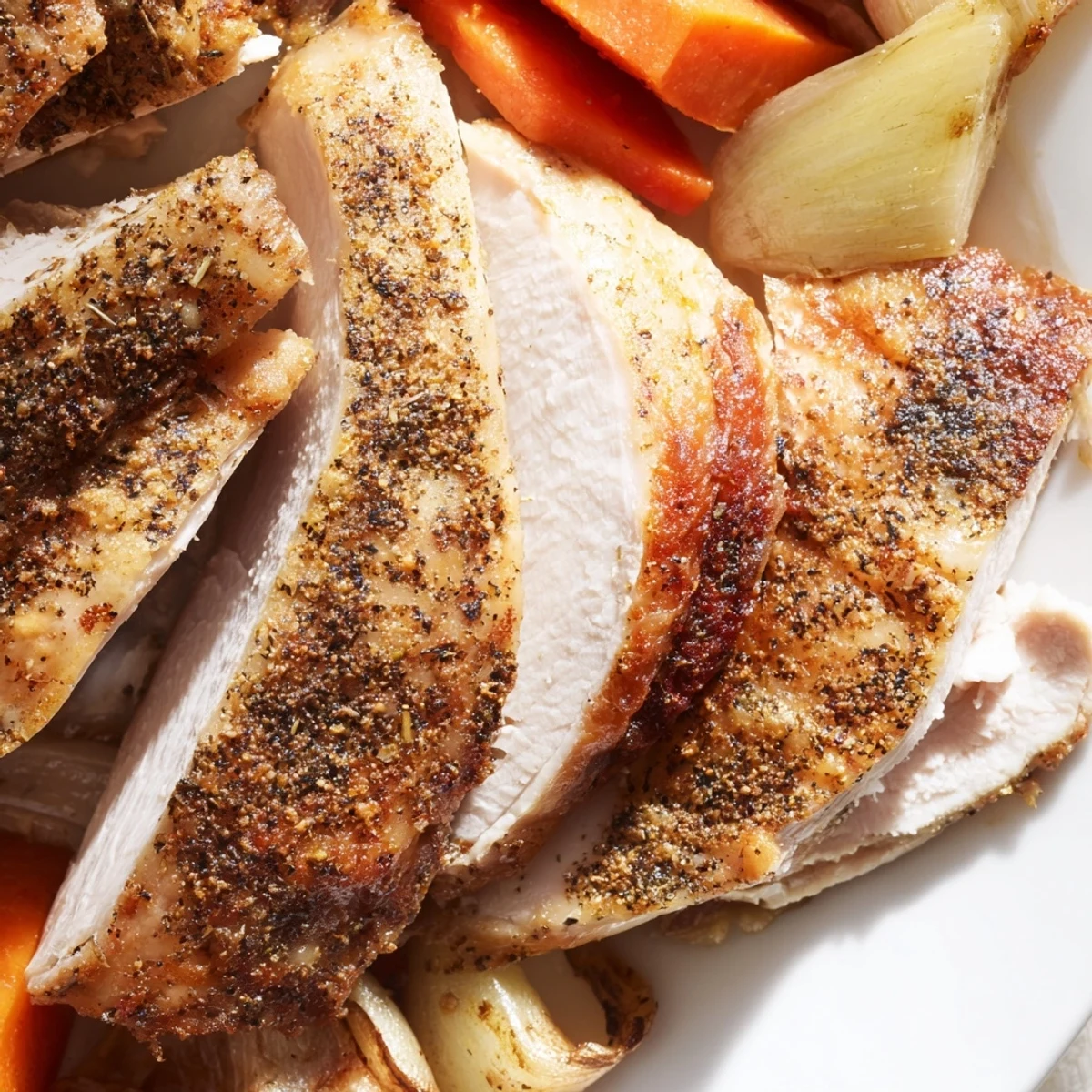
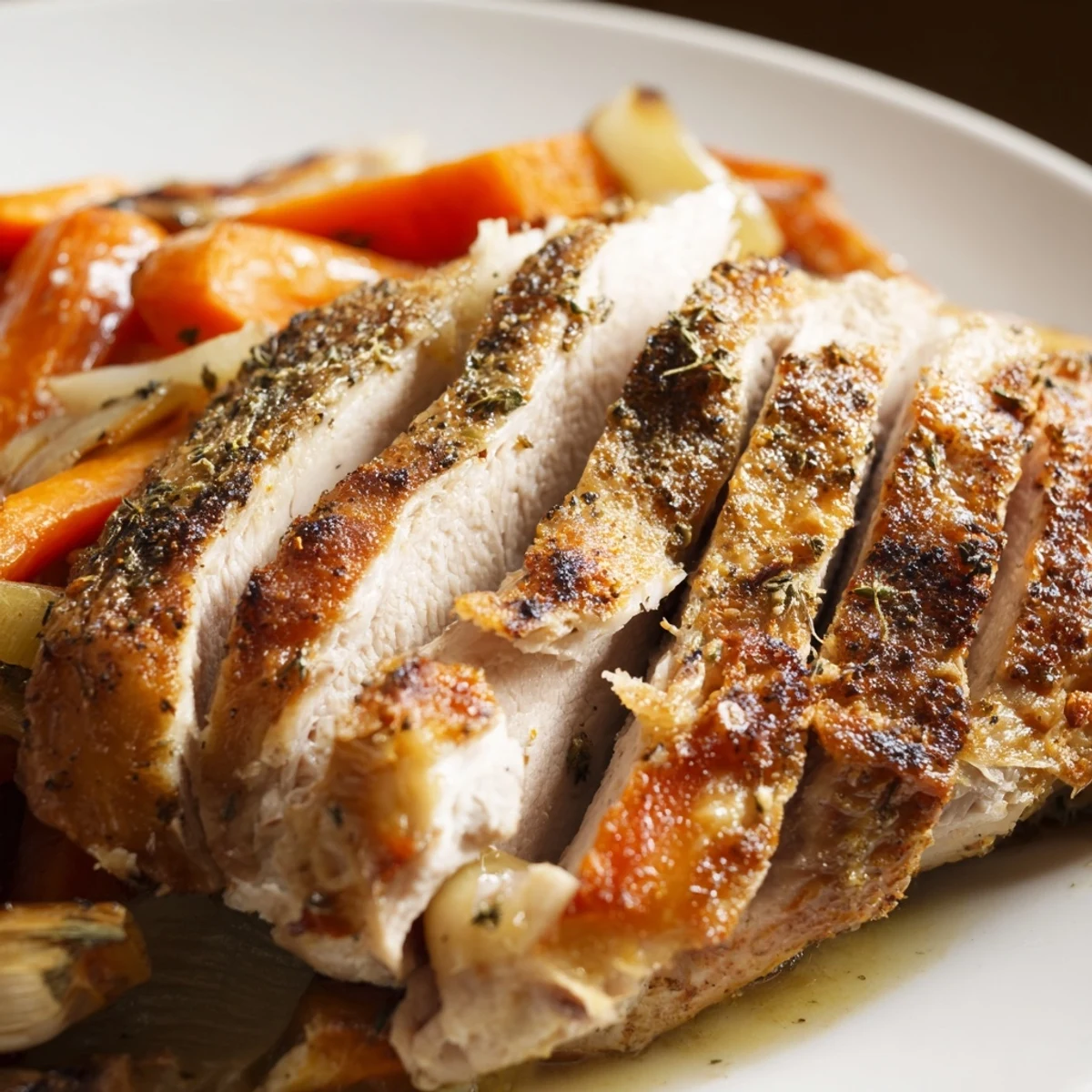
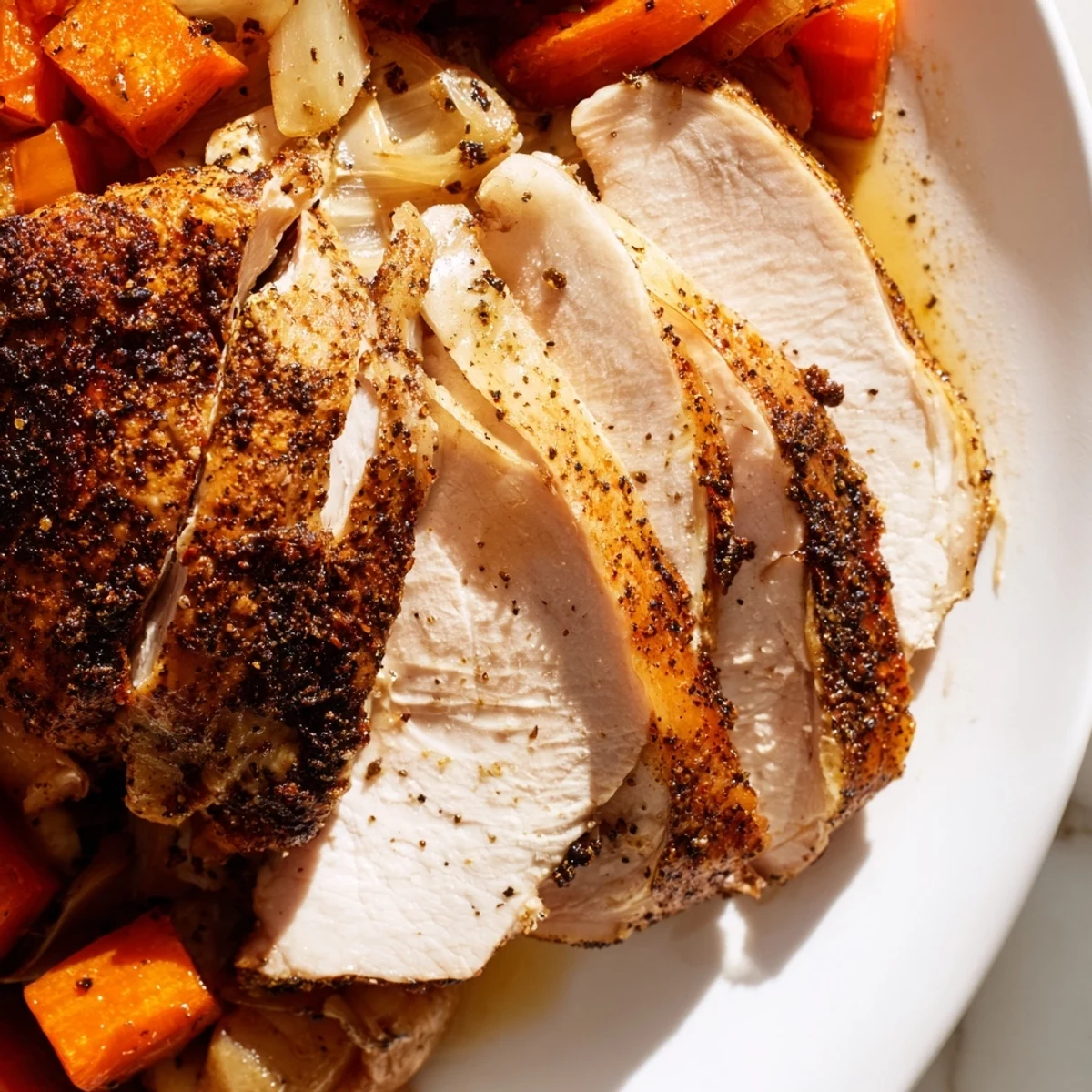
 This dish features a succulent turkey breast seasoned with olive oil, kosher salt, black pepper, thyme, rosemary, and smoked paprika. It roasts atop a bed of carrots, onions, celery, and garlic, absorbing aromatic flavors. The turkey is basted with pan juices during cooking to maintain moisture and finished under the broiler for crisp skin if desired. Rested after roasting, it's sliced and served alongside the softened vegetables with a drizzle of savory pan juices for a hearty main course.
My kitchen filled with that unmistakable aroma one Sunday afternoon when I decided to roast a turkey breast instead of waiting for the holidays. The skin crisped up golden while the vegetables underneath softened into something almost caramelized, and I realized this wasn't just a weeknight dinner—it was the kind of meal that makes people linger at the table. Now whenever I want that same comfort without the fuss of a whole bird, this is what I reach for.
I made this for a friend who swore she didn't like turkey, convinced it was always dry and forgettable. When she took that first bite and tasted how tender and juicy it was, she actually laughed and asked for the recipe. That's when I knew I'd found something worth making again and again.
Ingredients
- Turkey breast (3–4 lbs, skin-on): The skin is your secret to both protection and crispiness during roasting—don't skip it.
- Olive oil: Two tablespoons create the foundation for browning and help the seasonings stick.
- Kosher salt and freshly ground black pepper: These are non-negotiable for proper seasoning depth.
- Dried thyme and rosemary: Together they smell like a farmhouse kitchen and infuse the whole pan with herbaceous warmth.
- Smoked paprika: Just a half teaspoon adds color and a whisper of smoke without overpowering.
- Carrots, onions, celery, and garlic: These humble vegetables become caramelized treasures that soak up all the turkey's flavor.
- Chicken broth and dry white wine: The broth keeps things moist while the wine adds acidity that brightens the finished pan sauce.
Instructions
- Heat your oven and prepare the pan:
- Set the oven to 375°F and arrange your vegetables in a large roasting pan with some space between pieces so they'll actually brown instead of steam.
- Dry and season the turkey:
- Pat the breast completely dry with paper towels—this step makes all the difference for crispy skin. Rub generously with olive oil, then coat with salt, pepper, thyme, rosemary, and paprika, making sure to season underneath too.
- Nestle turkey on vegetables:
- Place the seasoned turkey breast skin-side up directly on the vegetables so everything roasts together and the aromatics perfume the meat from below.
- Add liquid and roast:
- Pour broth and wine around the turkey (never over the skin or it won't crisp). Roast for 1 hour 10 minutes to 1 hour 20 minutes, basting halfway through with those pan juices that are already turning golden.
- Check doneness and finish:
- Use a meat thermometer to confirm 165°F in the thickest part. If the skin needs more color, broil for 2–3 minutes under close watch.
- Rest and serve:
- Tent the turkey with foil and let it rest for 15 minutes—this keeps it incredibly juicy. Slice, arrange with the roasted vegetables, and spoon those pan juices over everything.
 Pin It
 There was a quiet moment when everyone was eating, nobody talking except to ask for more of those caramelized vegetables, and I understood why this simple roasted bird deserved a place in regular rotation, not just the once-a-year table.
Why This Method Works So Well
Roasting the turkey on a bed of vegetables instead of a rack means they become both a flavor foundation and a side dish all at once. The vegetables catch the dripping juices and become tender and sweet, while the turkey stays elevated just enough to get that all-important crispy skin underneath stays protected.
Building Flavor With Pan Juices
Those caramelized vegetables and the broth in the bottom of the pan create something almost like a light sauce without any extra work. The white wine adds brightness and cuts through the richness, making the whole dish feel more elegant than its simple ingredient list suggests.
Making It Your Own
This recipe is flexible enough to bend to what you have on hand or what you love to eat. The seasonings can shift slightly toward Italian with more oregano, or toward French with herbes de Provence, and the vegetables respond beautifully to small changes.
- Fresh rosemary or thyme sprigs scattered in the pan add deeper flavor than dried alone.
- Swap the white wine for extra broth or even apple cider if that's what's in your kitchen.
- Leftovers shred easily for sandwiches, salads, or quick weeknight bowls.
 Pin It
 This turkey breast has become my answer for wanting restaurant-quality dinner on a regular Tuesday, not just when the calendar tells me to celebrate. Every time I make it, someone says it's the best turkey they've had, and that never gets old.
Recipe Questions & Answers
- → What temperature should the oven be set to for roasting?
-
Set the oven to 375°F (190°C) to roast the turkey breast evenly and develop rich flavors.
- → How do the vegetables contribute to the dish?
-
The carrots, onions, celery, and garlic create a flavorful base, infusing the turkey with savory aromas and soaking up pan juices.
- → Can I substitute white wine in the cooking liquid?
-
Yes, white wine can be replaced with extra chicken broth to maintain moisture and enhance richness.
- → How is the turkey breast seasoned?
-
The turkey is rubbed with olive oil and seasoned with kosher salt, black pepper, dried thyme, rosemary, and smoked paprika for a balanced aroma.
- → What is the resting time after roasting, and why is it important?
-
Rest the turkey for 15 minutes under foil to allow juices to redistribute, ensuring moist and tender slices.