
 Pin It
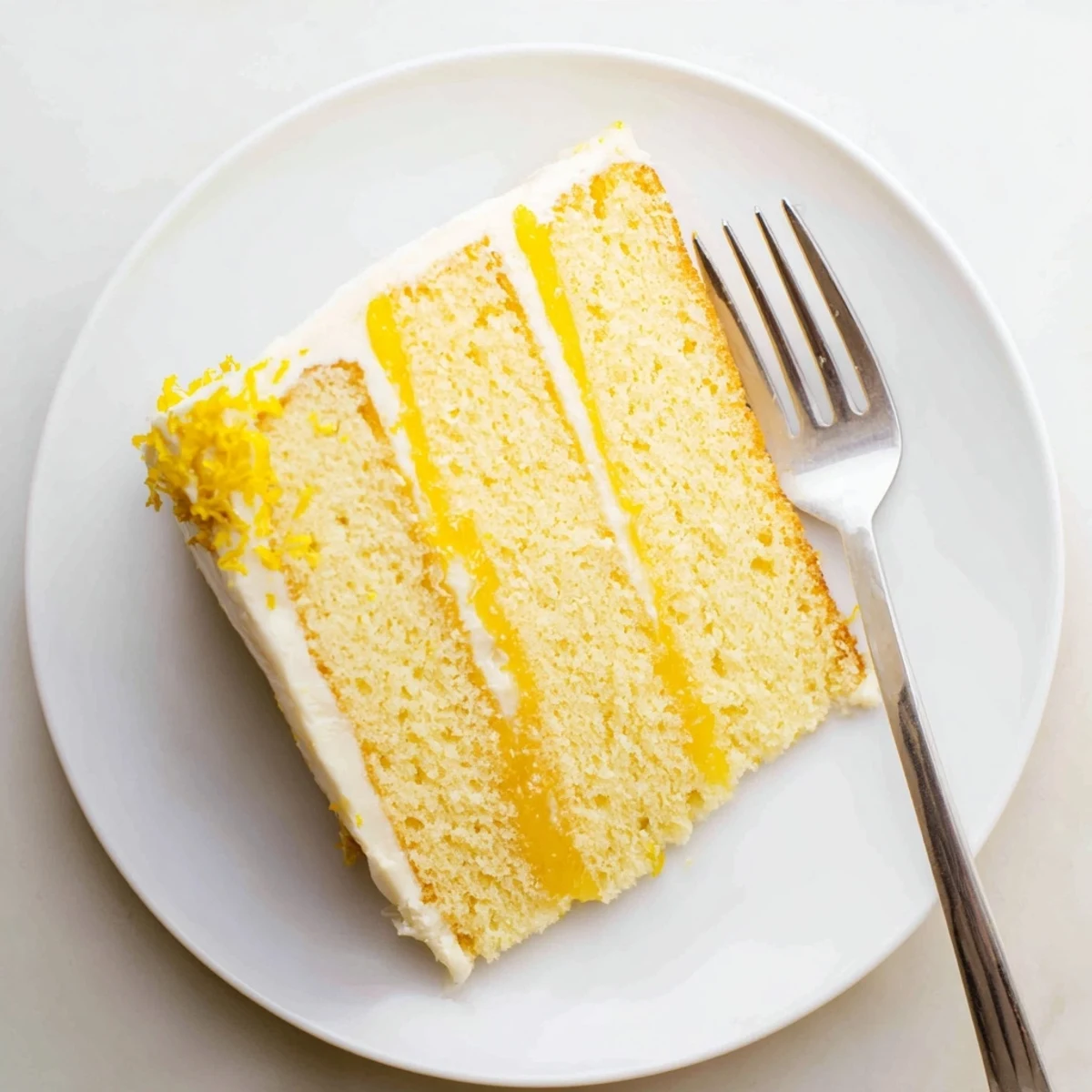
 This stunning lemon layer cake combines three tender vanilla sponge layers with homemade tangy lemon curd and silky lemon buttercream frosting. The bright citrus flavors shine through every bite, making it an ideal centerpiece for birthdays, spring gatherings, or elegant afternoon tea service.
The sponge cake gets its delicate crumb from buttermilk and fresh lemon zest, while the curd provides an intense tart contrast to the sweet buttercream. Each slice offers the perfect balance of sweet and tangy, with the airy texture of classic American layer cake technique.
While the assembly requires some patience for cooling and setting, the result is a showstopping dessert that tastes as impressive as it looks. The cake pairs beautifully with Earl Grey tea or sparkling wine.
The kitchen smelled like sunshine that afternoon I decided lemon layer cake would be the perfect birthday surprise for my mother. She has always believed that citrus desserts are the most elegant way to end any meal. I remember frantically zesting lemons while my timer beeped at me from across the room. Something about that bright yellow curd glistening through the layers made all the chaos worth it.
My sister walked in mid assembly and immediately started dipping spoons into the lemon curd bowl. I had to shoo her away so there would be enough left for the filling layers. She still talks about that cake years later.
Ingredients
- All-purpose flour: The foundation that gives this cake its tender structure without weighing it down
- Baking powder and baking soda: These work together to create those perfectly risen cake layers
- Salt: Just enough to make all the flavors pop
- Unsalted butter: Room temperature is non negotiable here for proper aeration
- Granulated sugar: Creates that delicate crumb while providing sweetness
- Large eggs: Also at room temperature so they incorporate smoothly into the batter
- Lemon zest: This is where all those fragrant citrus oils live
- Fresh lemon juice: Bright acid that cuts through the richness
- Buttermilk: The secret to the most tender sponge imaginable
- Vanilla extract: Rounds out all the sharp citrus notes
- Large eggs for curd: These create that silky luxurious texture
- More sugar and lemon juice: For balancing the curd perfectly
- Cold butter for curd: Added off heat for that glossy finish
- More butter for buttercream: The base of your frosting
- Powdered sugar: Sifted to prevent any lumps in your silky frosting
- Additional lemon juice and zest: To make the buttercream sing
- Milk: Adjust the consistency until it is perfectly spreadable
- Pinch of salt: Keeps the frosting from being too sweet
Instructions
- Preheat and prep your pans:
- Get your oven to 350°F (175°C) and generously grease three 8-inch round cake pans before lining them with parchment paper.
- Whisk the dry ingredients:
- Combine flour, baking powder, baking soda, and salt in a bowl so they are evenly distributed.
- Cream butter and sugar:
- Beat them together until pale and fluffy, then add eggs one at a time.
- Add flavor and liquids:
- Mix in lemon zest and vanilla, then alternate adding the flour mixture with buttermilk and lemon juice.
- Bake to golden perfection:
- Divide batter among your prepared pans and bake for 25 to 30 minutes until a toothpick comes out clean.
- Make the lemon curd:
- Whisk eggs and sugar over simmering water until thickened, then stir in butter until melted and glossy.
- Prepare the buttercream:
- Beat butter until smooth before gradually adding powdered sugar and lemon juice until silky.
- Assemble your masterpiece:
- Layer cake with buttercream and lemon curd, then frost the entire cake generously.
 Pin It
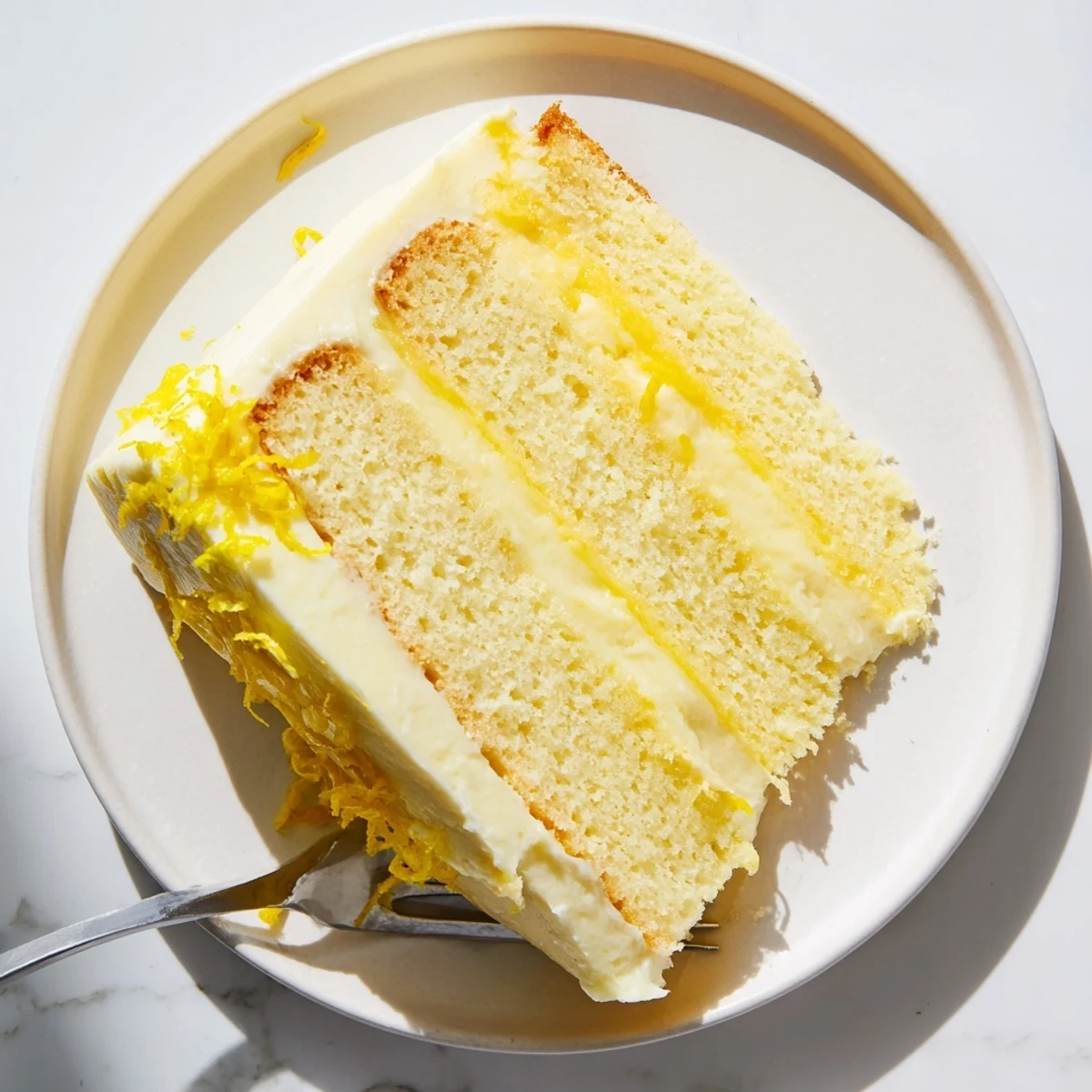
 That first slice revealed perfect layers and everyone went quiet for a moment before reaching for seconds. It has become my go to celebration cake ever since.
Making Lemon Curd Ahead
I have learned that making the curd a day ahead actually improves the flavor. It gives the lemon time to mellow and meld with the butter. Store it in the refrigerator with plastic wrap pressed directly onto the surface to prevent a skin from forming.
Getting Those Flat Layers
After years of domed cakes I finally bought cake strips and they changed everything. You can also use a flower nail placed in the center of each pan to help the layers bake more evenly. This makes assembly so much easier.
Serving And Storage
This cake actually tastes better on the second day when all the flavors have had time to marry. Keep it refrigerated but bring it to room temperature about an hour before serving for the best texture.
- Use a serrated knife with gentle sawing motions for clean slices
- A warm knife dipped in hot water helps cut through the buttercream smoothly
- Any leftover cake keeps well in an airtight container for up to four days
 Pin It
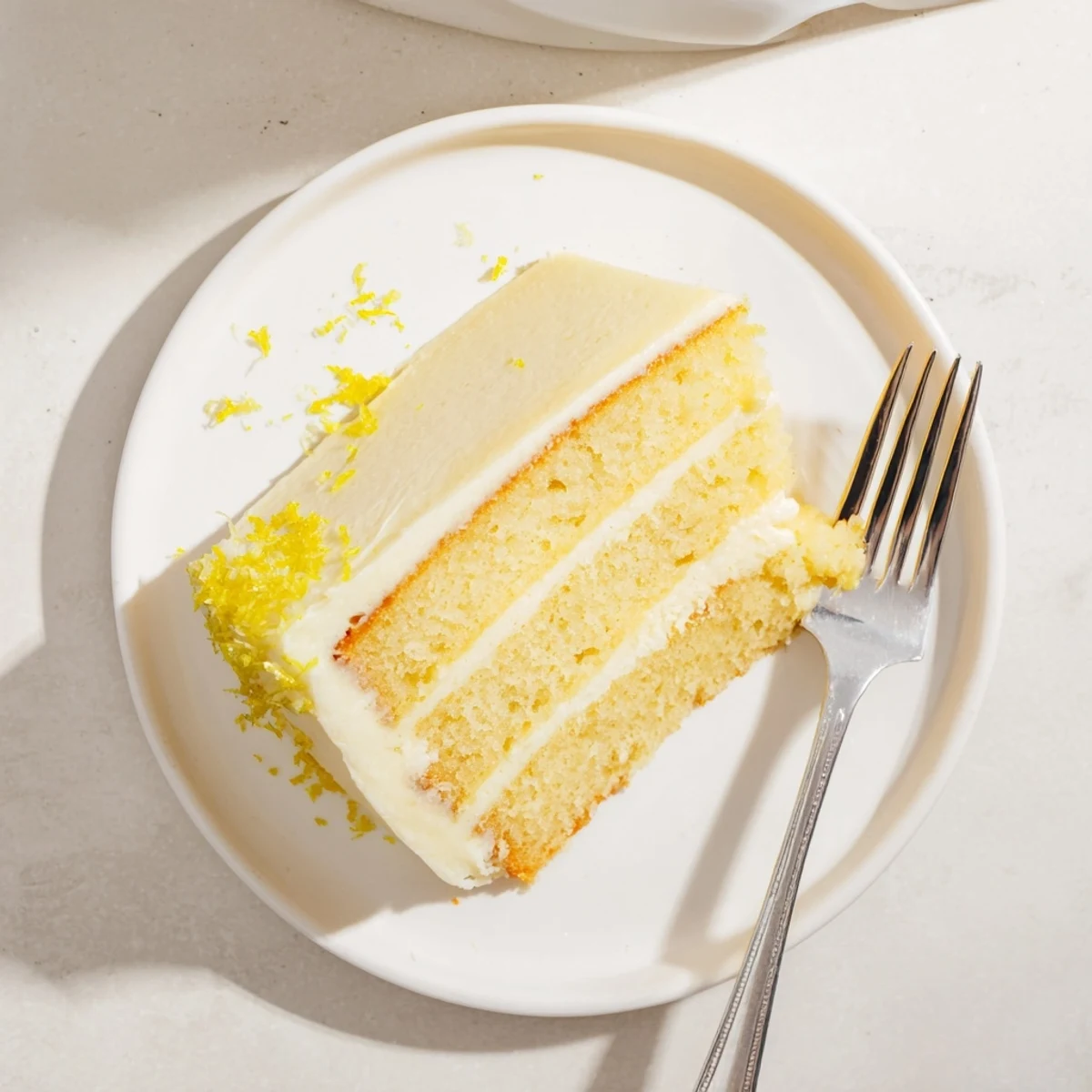
 There is something about a homemade layer cake that makes any occasion feel special. I hope this brings as much sunshine to your table as it has to mine.
Recipe Questions & Answers
- → How far in advance can I make this lemon layer cake?
-
You can bake the sponge layers up to 2 days ahead, wrap tightly in plastic, and store at room temperature. The lemon curd keeps refrigerated for up to 1 week before using. Buttercream can be made 2 days in advance and stored in the refrigerator. Bring to room temperature and re-whip before frosting. Assemble the cake no more than 24 hours before serving for optimal texture.
- → Can I freeze the assembled lemon cake?
-
Yes, the fully assembled cake freezes beautifully for up to 3 months. Wrap the frosted cake carefully in plastic wrap followed by aluminum foil, or place in an airtight container. Thaw overnight in the refrigerator before serving, then bring to room temperature for 1-2 hours for the best texture and flavor.
- → What's the best way to get clean, even cake layers?
-
Use a kitchen scale to divide batter equally among pans for uniform baking. Cool layers completely before handling—if they're too warm, they'll tear. Once cooled, use a long serrated knife to level any domed tops for perfectly flat stacking layers. Chill the leveled layers for 30 minutes before frosting to minimize crumbs.
- → How do I know when the lemon curd is thick enough?
-
The curd is ready when it coats the back of a wooden spoon and leaves a clean line when you run your finger through it. It should reach 170°F (77°C) on a kitchen thermometer. Remember it will continue thickening as it cools. Straining through a fine-mesh sieve ensures perfectly smooth texture without any bits of cooked egg.
- → Can I make this as cupcakes instead?
-
Absolutely! This batter makes 24-30 standard cupcakes. Reduce baking time to 18-22 minutes at 350°F. Core the centers and fill with lemon curd using a piping bag, then frost with the lemon buttercream using a piping tip or spread with an offset spatula. Cupcakes are ready to serve immediately without the chilling time needed for layered assembly.
- → Why did my cake layers turn out dense or dry?
-
Overmixing the batter once flour is added develops too much gluten, creating a tough texture. Stop mixing as soon as the last streaks of flour disappear. Using cold ingredients can also cause issues—ensure butter, eggs, and buttermilk are at room temperature for proper emulsification. Finally, avoid overbaking; check for doneness at 25 minutes as ovens vary.