
 Pin It
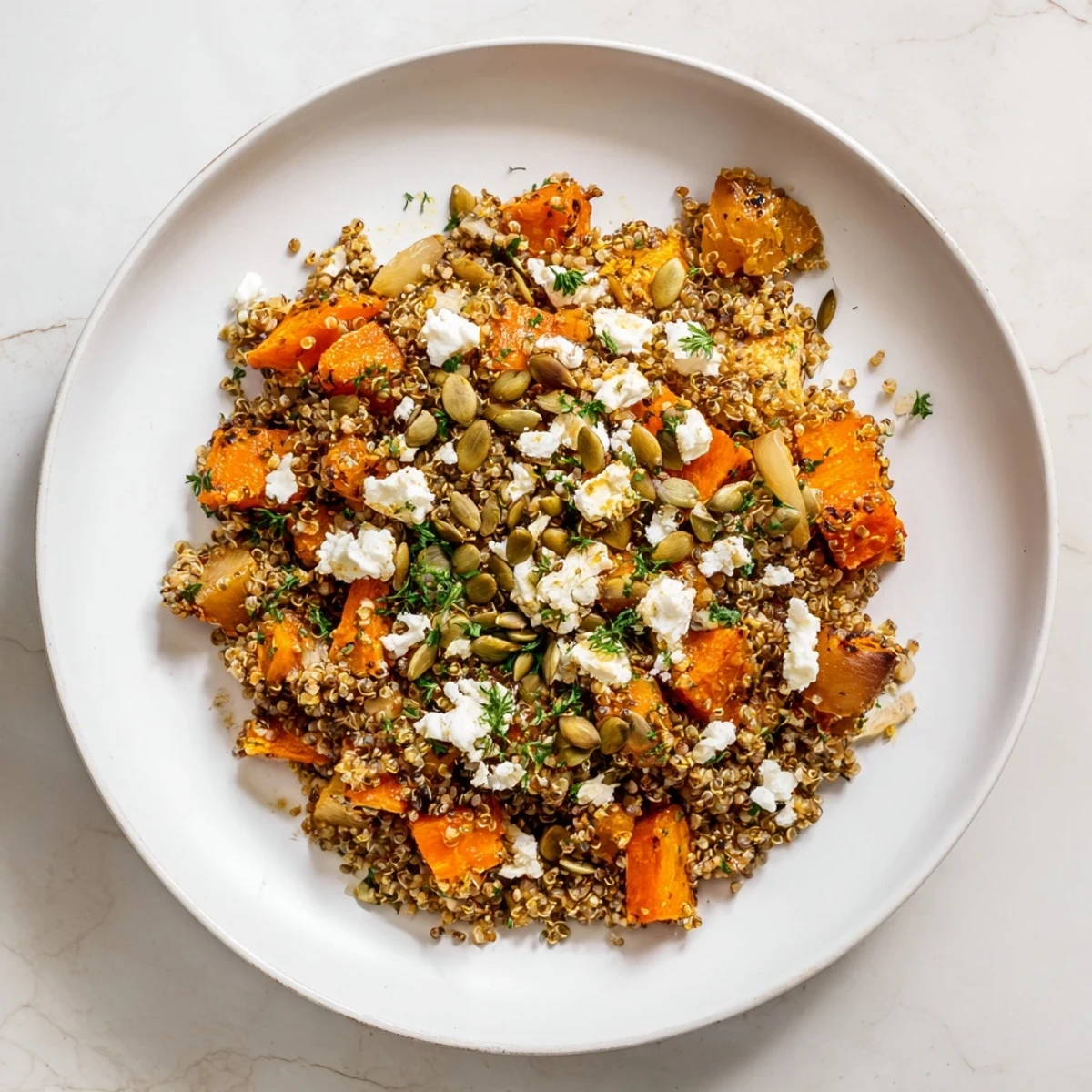
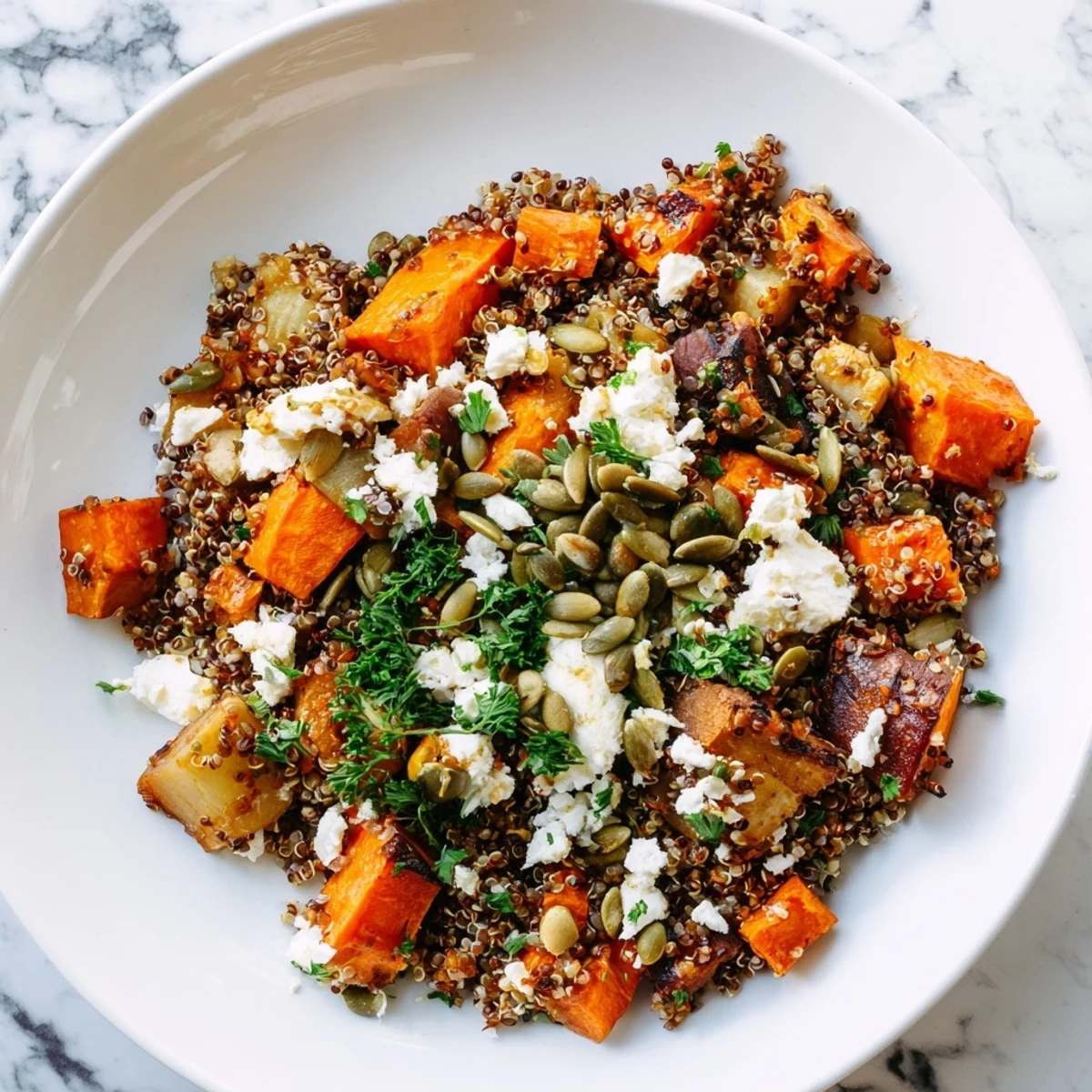
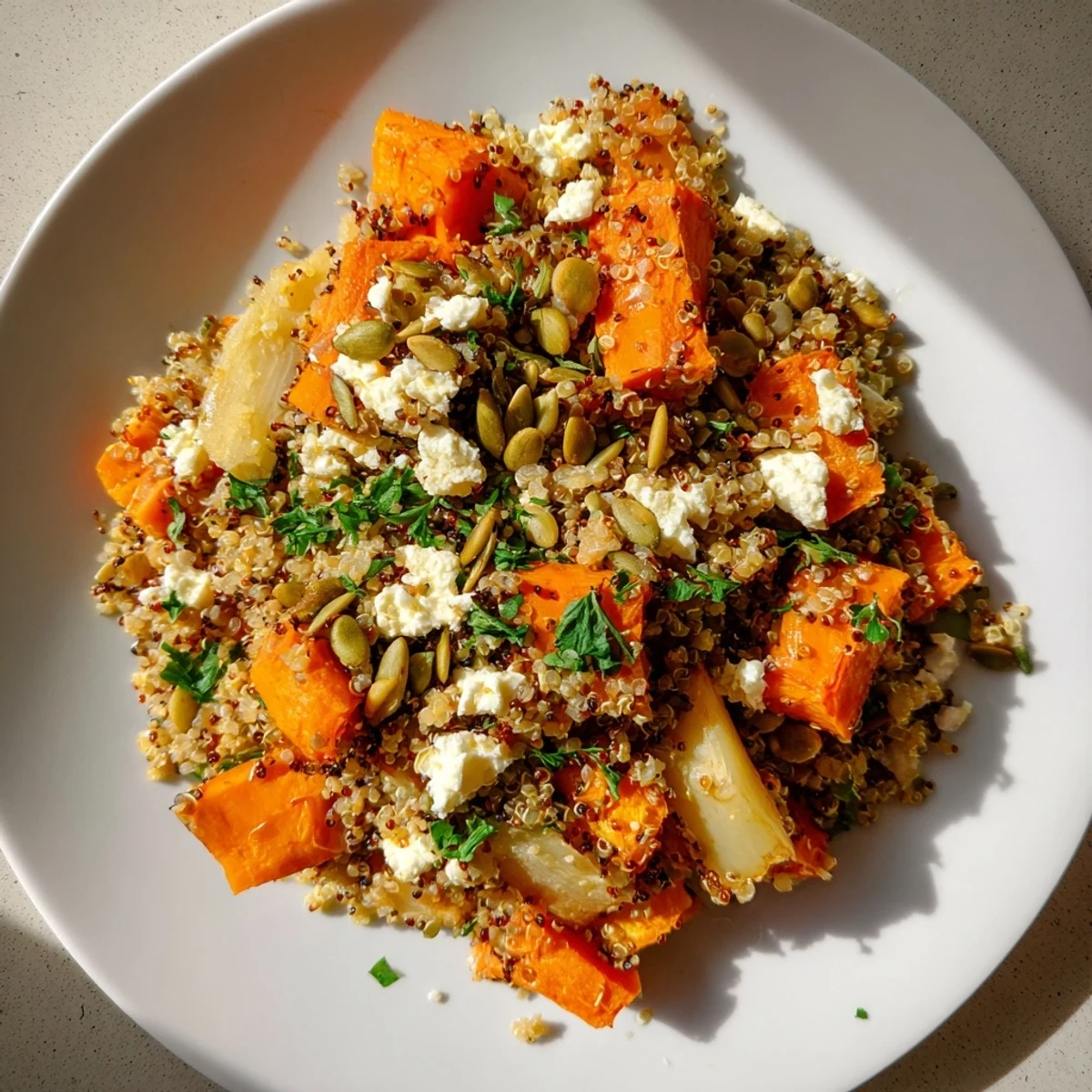
 This warm quinoa salad features fluffy quinoa combined with caramelized carrots, parsnips, sweet potato, and red onion roasted to perfection. Tangy crumbled feta cheese adds a creamy texture while toasted pumpkin seeds bring a crunchy contrast. A dressing of olive oil, lemon juice, Dijon mustard, and honey ties the flavors together. Ideal served warm or at room temperature, this nourishing dish offers a balance of earthy and bright notes, perfect for a comforting lunch or side.
There's something almost meditative about watching root vegetables transform in a hot oven—the way the edges caramelize and deepen into bronze while the kitchen fills with that toasty, earthy sweetness. I discovered this salad on a cold afternoon when I was tired of the same heavy winter meals and wanted something that felt nourishing without being fussy. The warm quinoa soaks up the dressing while the vegetables are still releasing their heat, and somehow that simple combination became the thing I found myself making every few weeks when I needed to feel grounded.
I remember bringing this to a potluck where everyone else brought pasta salads, and watching people go back for seconds of something that was just roasted vegetables and grain felt like a quiet victory. One guest asked for the recipe and admitted they'd been intimidated by quinoa, but seeing how foolproof it actually is seemed to unlock something for them. That's when I realized this wasn't just a salad I loved—it was a gateway recipe that made people feel capable in the kitchen.
Ingredients
- Quinoa, 1 cup rinsed: Rinsing removes the bitter coating and keeps each grain separate and fluffy, not mushy—this step honestly changes everything.
- Water or vegetable broth, 2 cups: Broth adds subtle flavor that plain water doesn't, though water works perfectly fine if that's what you have.
- Carrots, 2 medium peeled and diced: Their natural sweetness intensifies when roasted and balances the earthiness of the other roots.
- Parsnips, 2 medium peeled and diced: These are the secret weapon—they get creamy and slightly caramelized in a way that makes people ask what that surprising sweetness is.
- Sweet potato, 1 small peeled and diced: Cut them about the same size as everything else so they roast evenly and don't fall apart.
- Red onion, 1 small cut into wedges: The sharp bite mellows when roasted, becoming almost sweet and adding lovely color.
- Olive oil, 2 tablespoons plus 2 more for dressing: Good olive oil matters here since it's featured, not hidden.
- Dried thyme, 1 teaspoon: This herb whispers through the vegetables without overpowering them.
- Ground cumin, 1/2 teaspoon: Just enough to add warmth and depth without making it taste spiced.
- Salt and pepper, to taste: Season the vegetables generously before roasting—this is where flavor is built.
- Feta cheese, 100g crumbled: The tang cuts through the richness and adds a salty note that ties everything together.
- Pumpkin seeds, 1/4 cup toasted: Toasting them yourself makes a real difference in flavor and crunch versus raw ones.
- Fresh parsley, 1/4 cup chopped: This adds brightness and a fresh note that prevents the salad from feeling too heavy.
- Lemon juice, 1 tablespoon: Freshly squeezed if you can—it's the difference between a dull dressing and one that makes everything sing.
- Dijon mustard, 1 teaspoon: This emulsifies the dressing and adds a subtle sophistication.
- Honey or maple syrup, 1 teaspoon: A touch of sweetness rounds out the acidity without tasting sugary.
Instructions
- Heat your oven and prep the pan:
- Set the oven to 425°F and line a baking sheet with parchment paper so your vegetables won't stick and cleanup is effortless.
- Toss and season the vegetables:
- In a bowl, combine all your diced vegetables with olive oil, thyme, cumin, salt, and pepper, making sure everything is evenly coated. Don't be shy with the seasoning—this is where flavor really starts.
- Roast until golden:
- Spread them on the sheet and roast for 25–30 minutes, stirring halfway through, until the edges are caramelized and the insides are tender. Your kitchen will smell incredible partway through.
- Cook the quinoa:
- While vegetables roast, bring quinoa and water to a boil, then cover and simmer on low for 15 minutes until the liquid absorbs. When you fluff it with a fork, each grain should be separate and tender.
- Whisk the dressing:
- In a small bowl, whisk together olive oil, lemon juice, Dijon mustard, honey, salt, and pepper until it's emulsified and tastes balanced—adjust the lemon or honey to your preference.
- Bring it together:
- In your serving bowl, combine warm quinoa and roasted vegetables while they're still warm, then add feta, pumpkin seeds, and parsley. Drizzle with dressing and toss gently so the feta doesn't break down too much.
- Serve warm or let it rest:
- Eat it immediately while everything is warm, or let it sit and eat it at room temperature—both versions are genuinely wonderful.
 Pin It
 This became the salad I made when someone was going through a rough time, because it felt nourishing in a way that didn't require explaining why I cared. There's something about offering someone warm, whole food that feels like showing up for them in a quiet way.
Why This Salad Works Year-Round
In fall and winter, the roasted vegetables feel like the coziest version of salad possible, warm and almost dessert-like in their sweetness. In spring and summer, you can serve it at room temperature with extra parsley and it becomes lighter and more refreshing. The beauty is that root vegetables are always available, so this isn't limited by season—it just feels different depending on when you make it.
Ways to Make It Your Own
I've roasted beets and turnips in place of carrots, and once I added roasted chickpeas for a friend who wanted more protein and it became her favorite version. You could drizzle it with tahini dressing instead of lemon vinaigrette, or add pomegranate seeds for brightness and crunch. The structure is flexible enough that you can swap vegetables based on what's in your kitchen or what your mood calls for that day.
Storage and Serving Thoughts
This keeps in the fridge for three days, though the vegetables soften slightly and the pumpkin seeds lose their crunch, so it's genuinely better eaten within a day if you want that textural contrast. If you're making it for meal prep, store the components separately and assemble when you're ready to eat, or add the dressing just before serving so everything stays bright. You can also double the recipe easily and bring it to a gathering—it's the kind of dish that feels both impressive and entirely stress-free to prepare.
- Toast your own pumpkin seeds if you have time; store-bought toasted ones often have been sitting on shelves too long.
- Use a light hand when tossing so the feta stays in distinct little pockets rather than crumbling into the salad.
- Taste the dressing before you dress the salad and adjust the acidity or sweetness to your preference—it's your kitchen, not mine.
 Pin It
 This salad reminds me that some of the most satisfying meals come from simple things done thoughtfully—warm grains, vegetables allowed to caramelize, and fresh herbs that lift everything at the end. I hope it becomes something you make again and again, in whatever way feels right to you.
Recipe Questions & Answers
- → Can I use other grains instead of quinoa?
-
Yes, grains like couscous or bulgur can be substituted but cooking times and liquid ratios may vary.
- → What root vegetables work best for roasting?
-
Carrots, parsnips, sweet potatoes, turnips, and beets are excellent choices that caramelize well.
- → How do I make the dish vegan-friendly?
-
Simply omit the feta cheese or replace it with a plant-based alternative to maintain creaminess.
- → Can this be prepared ahead of time?
-
Yes, you can roast the vegetables and cook quinoa in advance, then combine and dress just before serving.
- → What complements this dish in terms of beverages?
-
A crisp Sauvignon Blanc or an herbal iced tea pairs beautifully with the earthy and tangy flavors.