
 Pin It
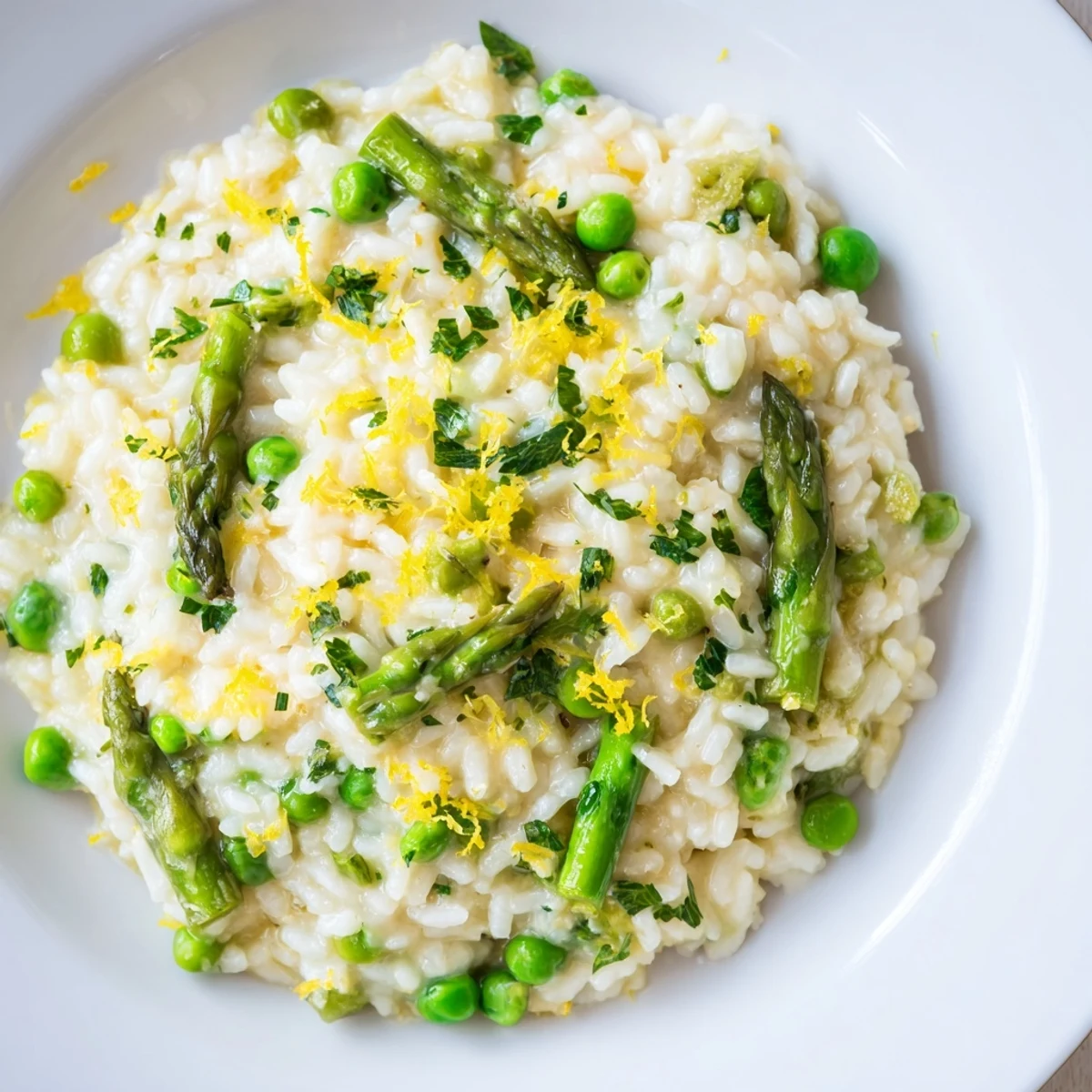
 This dish highlights fresh spring peas and tender asparagus combined with creamy Arborio rice cooked slowly in warm vegetable broth and white wine. Aromatic onions and garlic build the base while finishing with butter, Parmesan, parsley, and lemon zest adds depth and freshness. The vegetables are blanched briefly to retain bright colors and sweet flavors. A perfect vegetarian main with a creamy texture and a vibrant, early summer character.
The first time I made risotto properly, I was terrified of the constant stirring everyone warned me about. Turns out, that rhythmic motion is actually meditative, a chance to slow down while something beautiful happens in the pan. This spring version came together on a rainy Tuesday when I needed something that felt like a hug but still celebrated the season's bright promise. The way the peas pop against the creamy rice makes everything feel lighter somehow.
I served this to my friend Sarah who claims she hates vegetables, and she went back for thirds. Watching someone's face light up when they realize vegetables can actually be exciting? That is the kind of kitchen moment that keeps me cooking. Something about the tender asparagus and sweet peas together just works.
Ingredients
- Asparagus: Trimming and cutting into uniform pieces ensures even cooking and better texture throughout
- Fresh or frozen peas: Frozen work beautifully here, but fresh ones make it taste like you picked them yourself
- Arborio rice: This short grain releases starch slowly, creating that signature creamy texture without actually adding cream
- Vegetable broth: Keeping it warm is crucial, because adding cold broth shocks the rice and affects the final texture
- White wine: Adds depth and brightness that you cannot get from broth alone, though you can use more broth if needed
- Butter: Using some at the beginning to build flavors and more at the end creates layers of richness
- Parmesan cheese: Freshly grated makes a huge difference in how well it melts and incorporates into the rice
- Lemon zest: This tiny addition brightens the entire dish and makes the spring vegetables sing
Instructions
- Prepare the vegetables:
- Bring salted water to a rolling boil and blanch asparagus for 2 minutes, then add peas for 1 minute more before plunging into ice water to stop cooking and preserve that gorgeous green color.
- Build the foundation:
- Melt 2 tablespoons butter over medium heat and cook the onion until soft, then add garlic for just 1 minute until fragrant, being careful not to let it brown or it will turn bitter.
- Toast the rice:
- Add Arborio rice and stir for 1 to 2 minutes until you see the grains become translucent around the edges and smell slightly nutty, which helps them hold their texture during cooking.
- Add the wine:
- Pour in white wine and stir constantly until it has almost completely evaporated, scraping up any flavorful bits from the bottom of the pan.
- Add broth gradually:
- Add warm broth one ladleful at a time, stirring frequently and waiting until each addition is nearly absorbed before adding the next, for about 18 to 20 minutes total.
- Finish with vegetables:
- Stir in the blanched asparagus and peas during the last 2 to 3 minutes of cooking so they heat through without losing their bright color and fresh snap.
- Create the final creaminess:
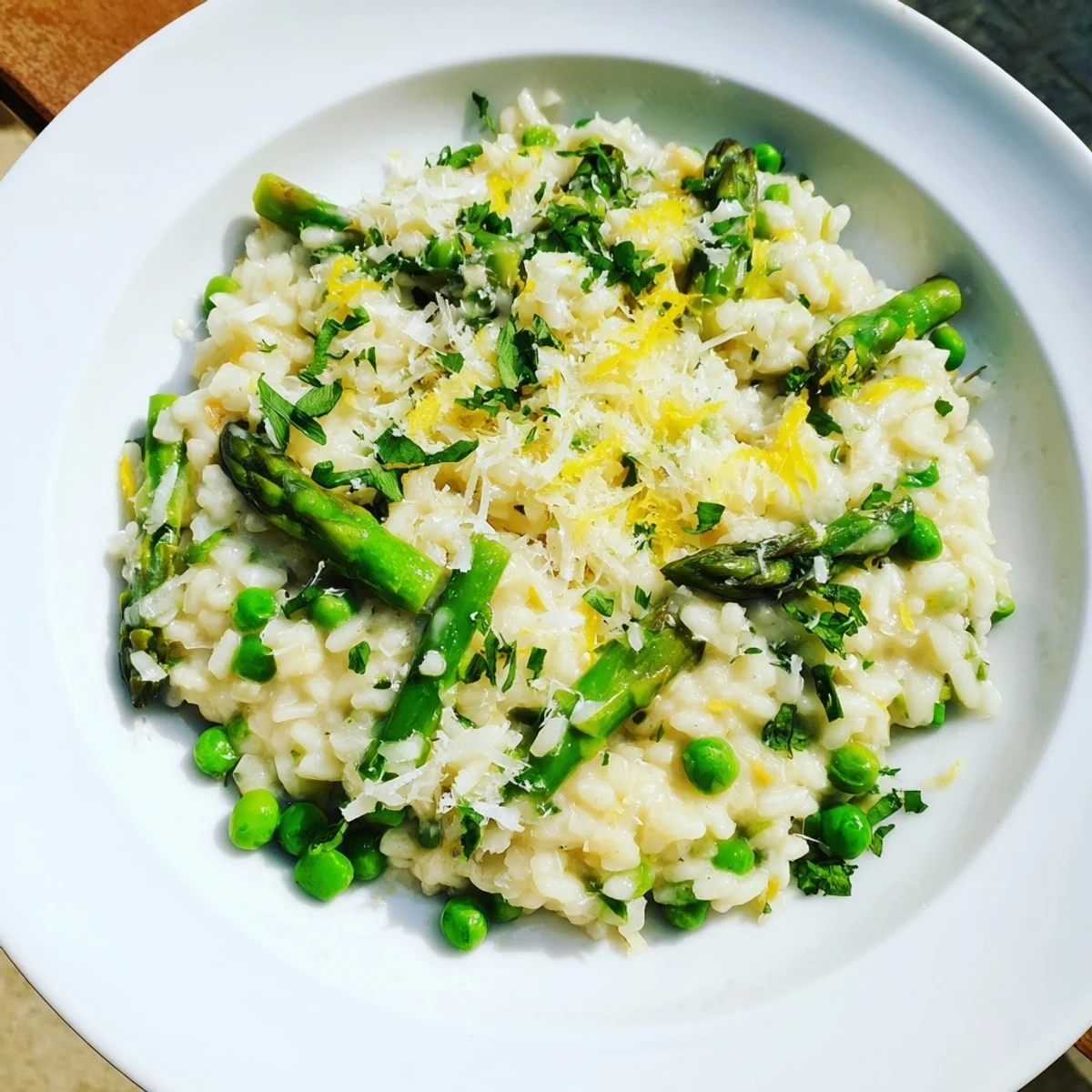
- Remove from heat and stir in the remaining butter, Parmesan, parsley, and lemon zest until the risotto becomes impossibly creamy and glossy.
 Pin It
 This recipe has become my go to for spring dinner parties because it feels fancy but comes together entirely in one pan. Something about standing at the stove, ladling broth and watching the transformation, makes me feel connected to generations of cooks who understood that good food takes time and attention.
Making It Your Own
Sometimes I swap in fava beans or sugar snap peas depending on what looks best at the market. The technique stays the same, but the flavors shift with what is actually in season, which is how cooking should work anyway.
Timing Is Everything
I have learned to have everything prepped before I start cooking because once that rice hits the pan, you are committed. There is nothing worse than realizing you forgot to grate the cheese while your risotto is sitting there getting gluey and sad.
Serving Suggestions
This risotto is rich enough to stand on its own as a main course, especially with a simple green salad dressed with bright vinaigrette. The acidity cuts through the creaminess and makes the whole meal feel balanced rather than heavy.
- A crisp white wine like Sauvignon Blanc echoes the lemon zest perfectly
- Crusty bread for sopping up any extra sauce is never a bad idea
- Keep portions modest because this is the kind of rich that sneaks up on you
 Pin It
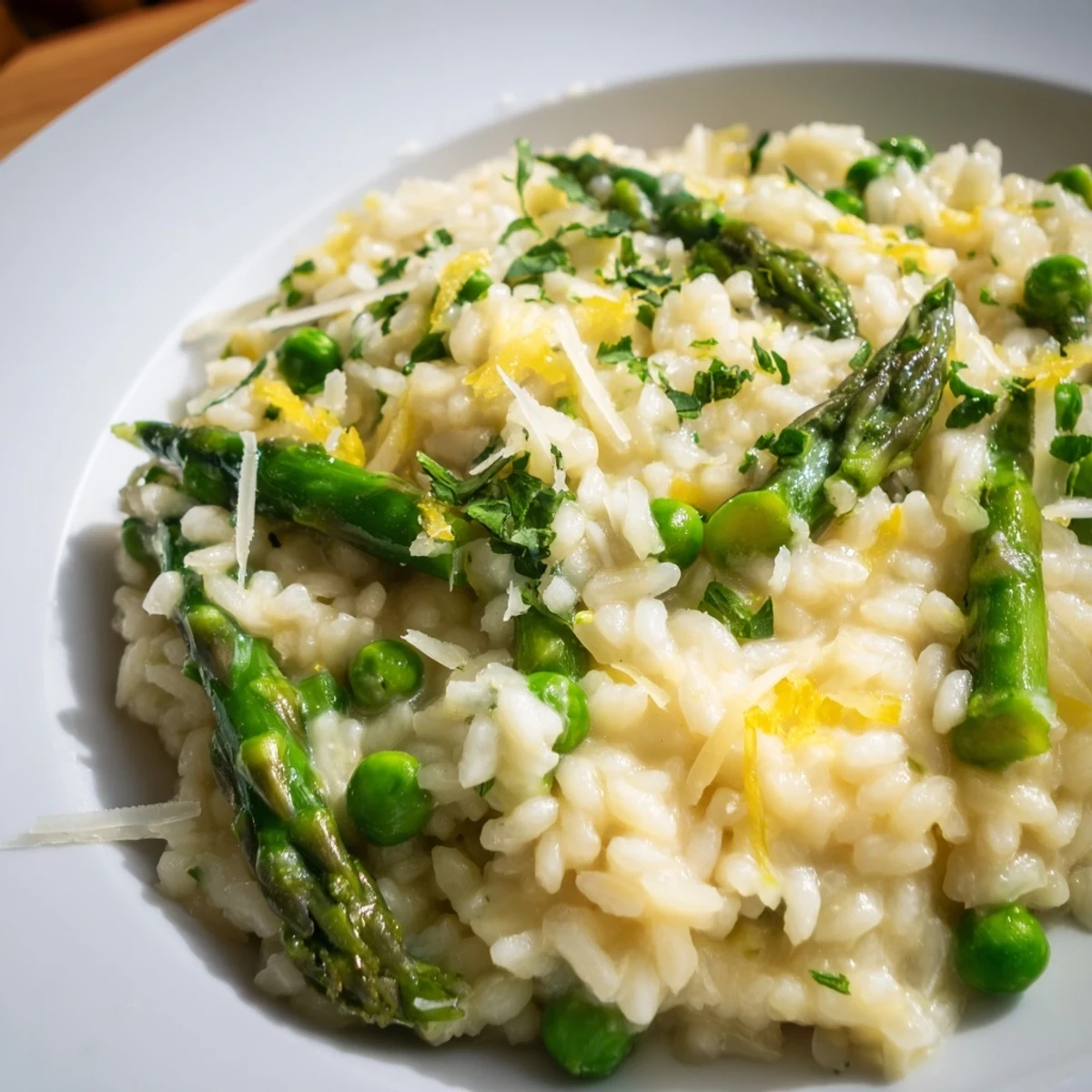
 Spring in a bowl, really. Hope it brings some brightness to your table.
Recipe Questions & Answers
- → What is the best way to cook the asparagus for this dish?
-
Blanch asparagus in boiling salted water for 2 minutes to keep its bright color and tender-crisp texture before adding it to the rice.
- → Can frozen peas be used instead of fresh peas?
-
Yes, frozen peas work well and should be added alongside asparagus during blanching for best flavor and texture.
- → Why is white wine added during cooking?
-
White wine adds subtle acidity and depth of flavor, helping to balance the creamy richness of the risotto.
- → What type of rice is recommended for this method?
-
Arborio rice is preferred for its high starch content, which creates the creamy texture characteristic of risotto.
- → How can the dish be made vegan?
-
Use plant-based butter and omit the Parmesan or replace it with a vegan cheese alternative to maintain richness and flavor.