
 Pin It
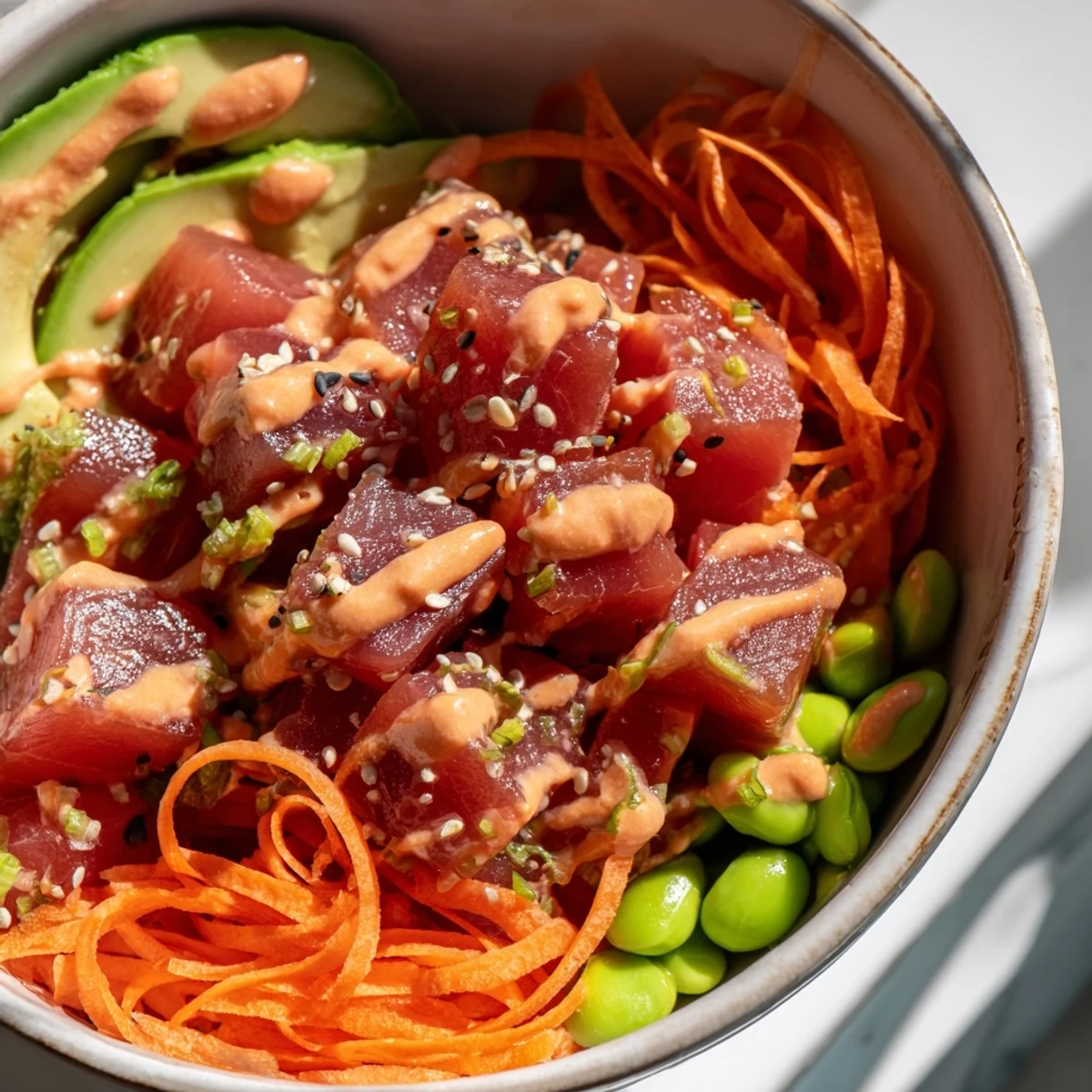
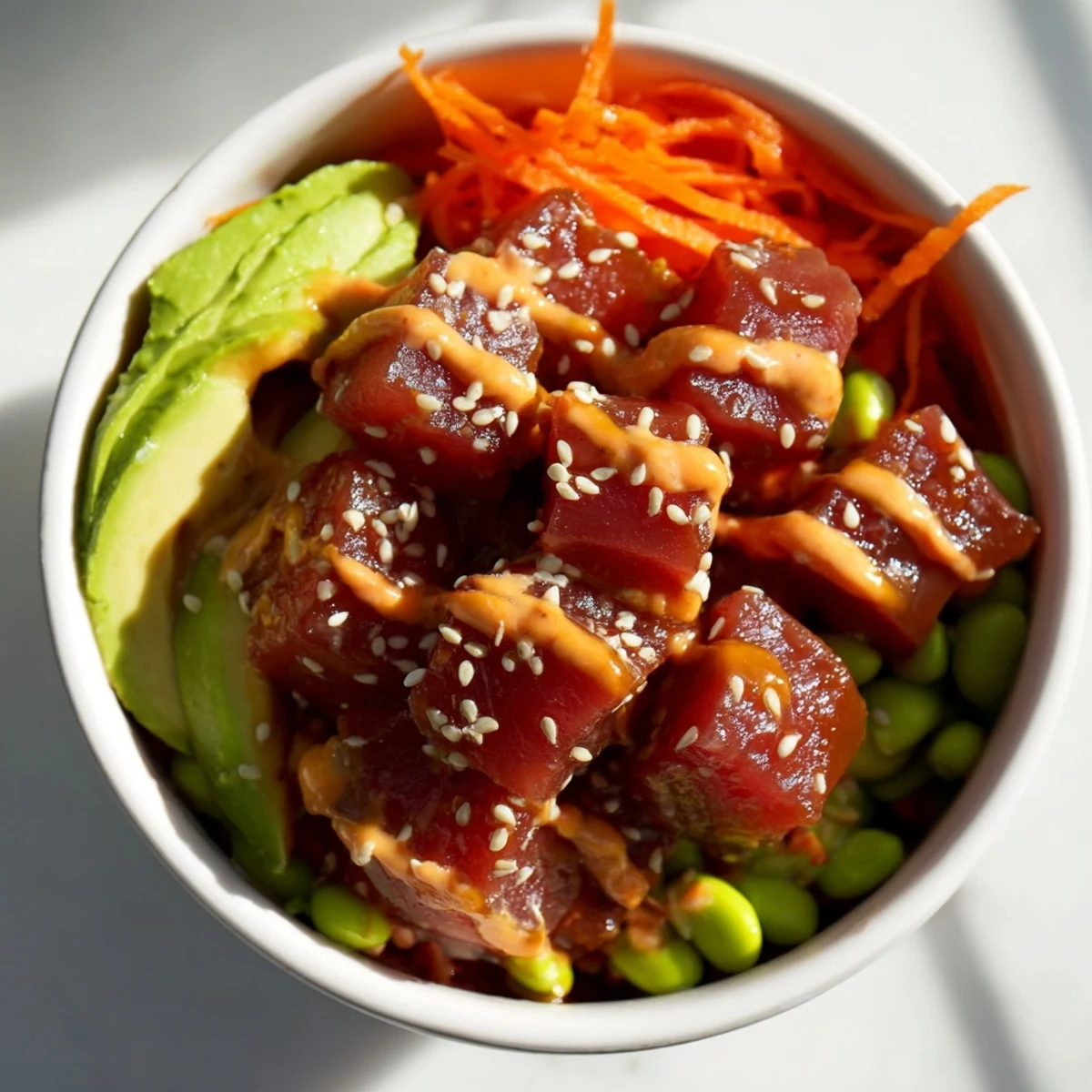
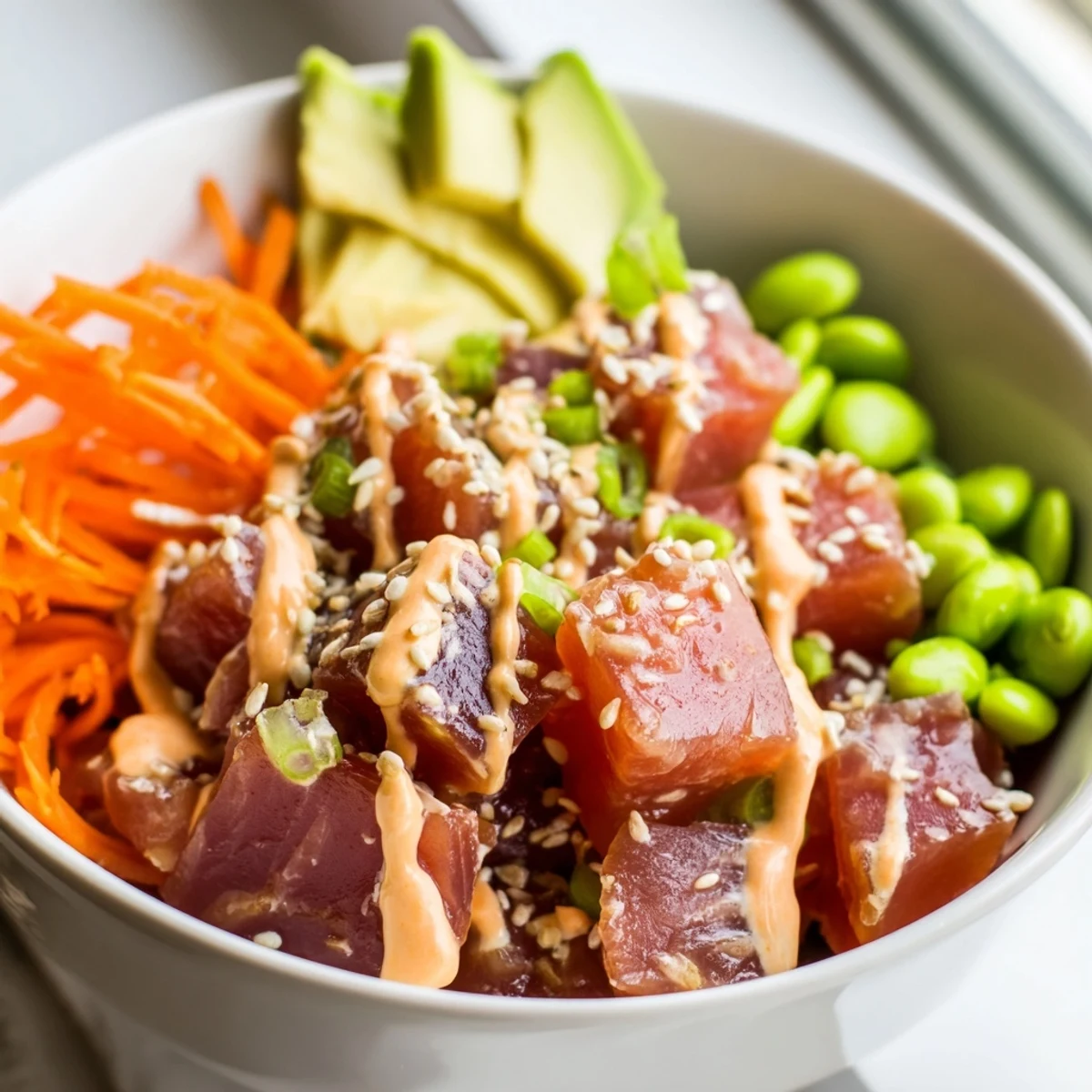
 This Hawaiian-inspired dish showcases tender sushi-grade tuna marinated in a savory soy and sesame blend. Layered over cooled sushi rice, it features fresh avocado, cucumber, carrot, edamame, and pickled ginger. A creamy sriracha mayo adds a balanced spicy kick, while garnishes like nori strips, sesame seeds, and green onions enhance flavor and texture. Ready in 25 minutes and gluten-free adaptable, it’s a fresh, colorful meal that’s simple and satisfying.
The first time I made poke at home, I was standing in my kitchen on a Tuesday evening, staring at a block of sushi-grade tuna I'd splurged on, wondering if I could actually pull off something that tasted like the bowls I'd fallen in love with on a trip to Honolulu. Turns out, all it takes is treating the tuna with respect, a few pantry staples, and the confidence that simplicity done right tastes better than anything complicated. Now it's become my go-to when I want something that feels restaurant-quality but takes barely longer than it takes to cook rice.
I remember making this for my coworkers during a potluck, and watching their faces light up when they realized how fresh and vibrant everything was was genuinely one of those small kitchen wins that made me want to keep cooking it. Someone actually asked for the recipe, which never happens, and that's when I knew this wasn't just a casual weeknight dinner anymore.
Ingredients
- Sushi-grade tuna, 400 g diced into 1 cm cubes: This is the star, so buy from a reputable fishmonger and ask them to verify it's sushi-safe; the quality difference is night and day.
- Soy sauce, 2 tbsp: The foundation of the marinade, bringing that umami depth that makes the tuna sing.
- Sesame oil, 1 tbsp: Use toasted, not regular, and go easy on it since a little goes a long way in filling the bowl with aroma.
- Rice vinegar, 1 tsp: This adds brightness and keeps everything from feeling too heavy.
- Honey or agave syrup, 1 tsp: A touch of sweetness balances the heat and salt beautifully.
- Sriracha, 1 tsp: For the marinade itself; you'll add more in the mayo for layered spice.
- Green onion, 1 tbsp finely chopped: Fresh, sharp, and a little goes a long way in brightening the marinade.
- Toasted sesame seeds, 1 tsp: These add texture and a nutty depth that grounds everything together.
- Mayonnaise, 4 tbsp: Use Japanese Kewpie if you can find it; it's creamier and slightly sweet, which is why it's worth seeking out.
- Sriracha, 1–2 tbsp: This is where the heat lives, so adjust to your comfort level and taste as you go.
- Lime juice, 1 tsp: A squeeze of brightness that ties the creamy mayo to the vibrant bowl.
- Sushi rice, 600 g cooled to room temperature: Cook it properly, season it gently with rice vinegar and sugar if you like, and let it cool completely so it doesn't wilt your fresh toppings.
- Avocado, 1 medium sliced: Slice it just before assembling so it doesn't brown, and choose one that's ripe but still firm.
- Cucumber, 1 small thinly sliced: The crunch is essential; don't skip it.
- Carrot, 1 medium julienned: A pop of color and subtle sweetness that balances the umami.
- Edamame, 100 g cooked and shelled: Adds protein and a pleasant bite.
- Nori, 2 sheets cut into thin strips: The seaweed adds an oceanic note and textural contrast.
- Pickled ginger, 2 tbsp: Sharp and refreshing, it cuts through the richness beautifully.
- Toasted sesame seeds, 1 tbsp additional: A final flourish that catches the eye and the palate.
- Green onions, 2 thinly sliced: Scatter these on top for a fresh finish and a whisper of allium flavor.
Instructions
- Make the marinade and coat the tuna:
- In a medium bowl, whisk together soy sauce, sesame oil, rice vinegar, honey, sriracha, green onion, and sesame seeds. The mixture should smell incredible—gently fold in your tuna cubes, being careful not to break them apart. Let it sit in the refrigerator for 10 to 15 minutes, just long enough for the flavors to seep in.
- Blend the sriracha mayo:
- In a small bowl, whisk mayonnaise, sriracha, and lime juice until completely smooth and creamy. Taste as you go and adjust the heat level to match your preferences; this is where you claim ownership of the dish.
- Build your rice base:
- Divide the cooled sushi rice evenly among four bowls, patting it down gently so it forms a stable cushion for everything that comes next.
- Arrange the toppings:
- Layer the marinated tuna, avocado, cucumber, carrot, edamame, and pickled ginger on top of the rice in whatever pattern speaks to you. This is where the bowl becomes beautiful and personal.
- Drizzle the magic:
- Generously drizzle each bowl with the sriracha mayo, letting it pool slightly so every bite gets a hit of creamy heat.
- Finish and garnish:
- Top with nori strips, additional sesame seeds, and sliced green onions, adding color and texture to every spoonful.
- Serve right away:
- Eat it immediately while everything is at its best—the rice is still warm, the vegetables are crisp, and the tuna is at peak flavor.
 Pin It
 There's something about eating a bowl of poke that makes you feel connected to something bigger—the ocean, a place you've been or want to go, a moment of self-care disguised as lunch. That's when I realized this recipe was about more than just lunch; it was about bringing a little piece of that feeling into my own kitchen.
Sourcing Sushi-Grade Tuna
Your fishmonger is your friend here, not a commodity you're buying from. Build a relationship with whoever is behind the counter, ask them where the tuna came from that week, and trust their recommendation about what's safe to eat raw. I learned this the hard way when I bought what I thought was sushi-grade tuna from a regular supermarket and it tasted faintly off; now I'm willing to pay a little more and go to a proper fish counter, because that peace of mind is worth it.
The Art of Balancing Flavors
A great poke bowl is all about finding the balance between salt, heat, sweetness, and acid, and none of these elements should overpower the others. The soy sauce gives you salt and umami, the sriracha brings heat, the honey or agave adds sweetness, and the rice vinegar and lime juice provide brightness. This interplay is what makes every spoonful interesting and keeps you coming back for more, rather than reaching for water halfway through.
Making It Your Own
The beauty of a poke bowl is that it's infinitely adaptable depending on what's in your kitchen or what you're craving that day. Some days I add mango for sweetness, other times I throw in radishes for crunch or microgreens for a peppery finish. I've also done versions with cooked shrimp when I didn't feel like splurging on tuna, and honestly, they're just as satisfying.
- Swap in tofu for a vegetarian version and boost the marinade with a little extra sesame oil and soy sauce.
- Don't have edamame on hand, try corn, cucumber, or even roasted chickpeas for crunch.
- The sriracha mayo is spicy, so feel free to dial it back or leave it off entirely if heat isn't your thing.
 Pin It
 This poke bowl has become my answer to the question of what to make when I want something that tastes like travel and care but doesn't demand hours at the stove. It's become shorthand for taking time to nourish myself well.
Recipe Questions & Answers
- → How do you marinate the tuna for this dish?
-
Combine soy sauce, sesame oil, rice vinegar, honey, sriracha, green onion, and toasted sesame seeds. Toss the diced tuna gently in the marinade and refrigerate for 10–15 minutes to infuse flavors.
- → What ingredients make up the spicy mayo?
-
Mix mayonnaise with sriracha and lime juice, adjusting the sriracha amount to control the spice level, resulting in a creamy, tangy sauce.
- → Can I substitute the tuna with other proteins?
-
Yes, cooked shrimp or tofu can be used as alternatives to tuna, offering different textures while maintaining balance with the other ingredients.
- → What are some suggested garnishes to enhance the bowl?
-
Nori strips, toasted sesame seeds, and thinly sliced green onions add extra texture, flavor, and visual appeal to the dish.
- → How can I make this dish gluten-free?
-
Use tamari instead of soy sauce and verify that all other ingredients are gluten-free to keep the dish safe for gluten-sensitive diets.