
 Pin It
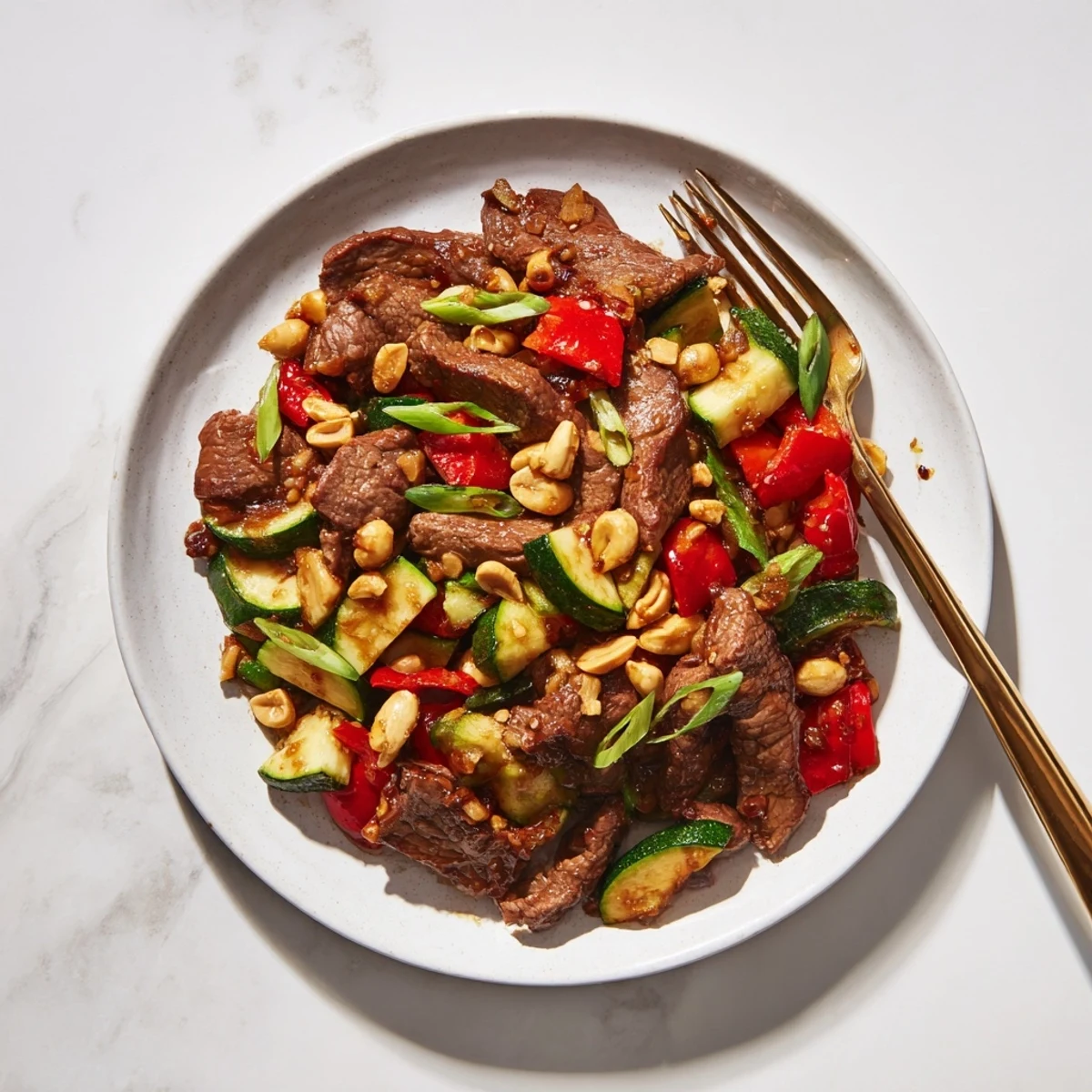
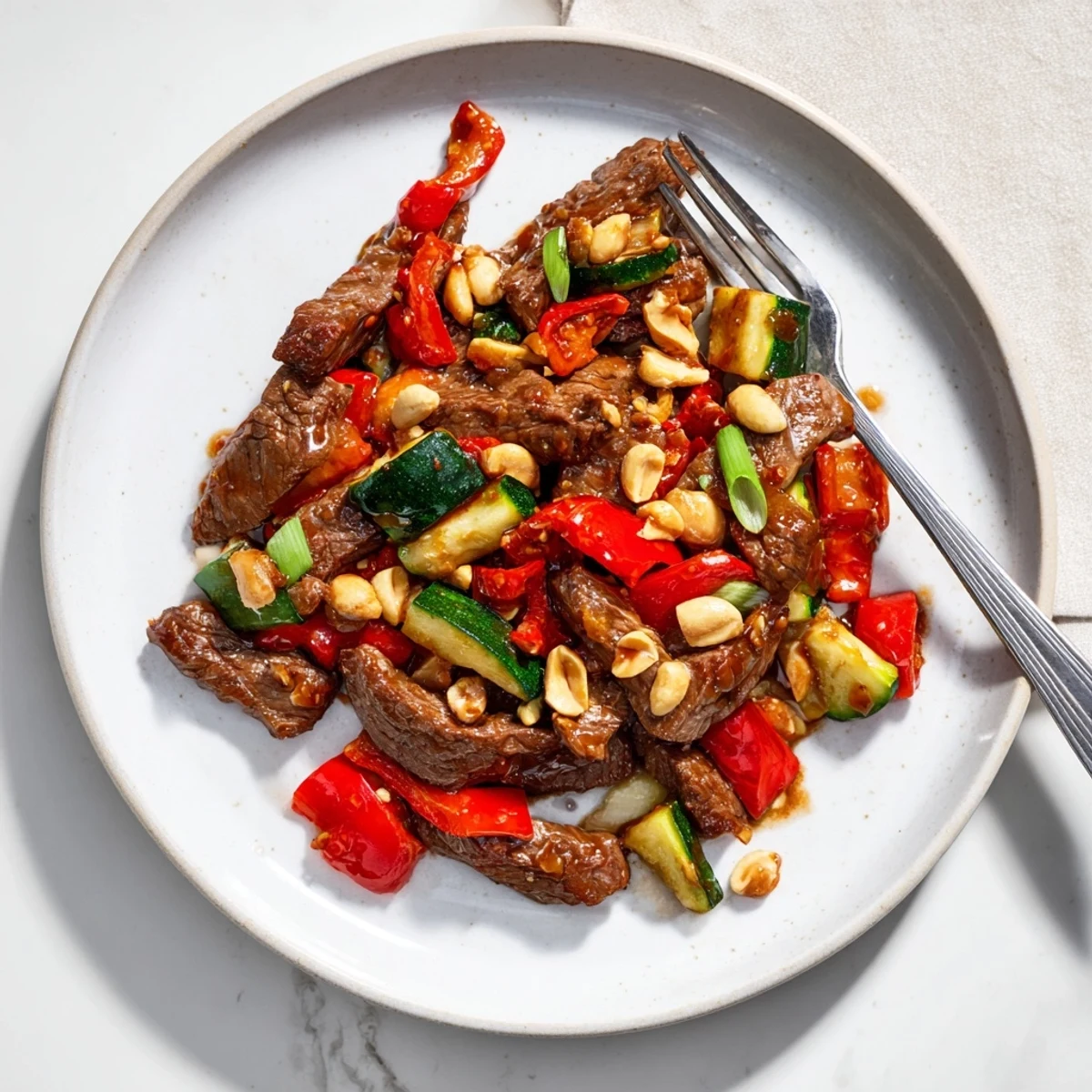
 This bold Chinese stir-fry combines tender flank steak with roasted peanuts, fresh vegetables, and a complex spicy-savory sauce. Marinate beef briefly, then sear until browned before stir-frying with aromatics and vegetables in a wok. The sauce—balancing soy, vinegar, and hoisin—coats everything beautifully. Finish with fresh spring onion greens and serve over steamed rice. Perfect for a weeknight dinner with impressive restaurant-quality flavor.
The scent of spices hitting the hot wok always takes me back to that bustling night market in Chengdu where I first tasted authentic Kung Pao. My version evolved after years of experimenting with heat levels and balance, especially once I discovered the magic of those dried chilies. The crackling sound as beef hits scorching metal is now my kitchen's favorite melody.
Last winter when my brother visited after his deployment, I made this Kung Pao beef as part of our welcome dinner. His eyes lit up with that first bite, and conversations paused momentarily as everyone savored the perfect balance of heat, sweetness, and savory depth. Between mouthfuls, he asked for the recipe to take back to his base.
Ingredients
- Flank steak: Slicing against the grain is absolutely crucial for tenderness, and I learned that freezing the steak for about 20 minutes first makes getting those thin, even slices much easier.
- Chinese black vinegar: This gives the authentic tangy depth that transformed my sauce from good to memorable, though balsamic works in a pinch when my specialty store runs out.
- Dried red chilies: These develop a beautiful smoky complexity rather than just heat, especially when you toast them properly first.
- Peanuts: The unsalted ones let you control the overall saltiness, and quickly toasting them in the pan before starting brings out their nutty essence.
- Hoisin sauce: This adds that complex sweetness that balances the heat and helps create that gorgeous glaze that coats every bite.
Instructions
- Marinate with patience:
- Combine those thin slices of flank steak with soy sauce, Shaoxing wine and cornstarch, then really work it in with your fingers. Those 15 minutes are non-negotiable as theyll transform your beef from tough to tender.
- Create your sauce symphony:
- Whisk together both soy sauces, vinegar, hoisin, sugar, sesame oil, cornstarch and water until smooth and glossy. This is your liquid gold that brings everything together.
- Sear with authority:
- Get that wok screaming hot before adding oil and beef in a single layer. Listen for that satisfying sizzle and resist the urge to stir for the first minute to develop that beautiful browning.
- Build your flavor base:
- The moment those dried chilies hit the hot oil, youll know youre on the right track as their aroma fills the kitchen. Add garlic, ginger and spring onion whites right after for that aromatic foundation.
- Vegetable dance:
- Add bell peppers and zucchini with a quick toss, keeping them moving constantly. Youre looking for that perfect crisp-tender texture where they still have some life to them.
- The grand finale:
- When you return the beef to the wok with peanuts and that silky sauce, everything comes together in a magnificent symphony. Watch as the sauce transforms from liquid to glossy coat in just about 90 seconds.
 Pin It
 During a particularly stressful week last fall, making this Kung Pao beef became an unexpected form of therapy. The methodical chopping of vegetables, the focused attention on timing each step perfectly, and finally that moment when all the flavors came together in the wok somehow reset my mental state completely. My partner now suggests I make it whenever I seem overwhelmed, only partly because it results in an amazing dinner.
Heat Management Secrets
Finding your perfect heat level with this dish is quite personal, and Ive discovered little tweaks that make all the difference. Leaving some seeds in the dried chilies creates unpredictable hot bites that some guests love, while removing them all creates a milder experience with smoky depth instead of fire. For chili lovers, adding a small spoonful of chili oil at the very end creates a beautiful red sheen and lingering warmth.
Vegetable Variations
While bell peppers are traditional, this recipe welcomes creative substitutions based on whats fresh or in season. Snow peas add a wonderful crunch and vibrant color, while water chestnuts provide textural contrast that complements the peanuts beautifully. Once during a pantry cleanout, I added some baby corn and thinly sliced carrots that worked surprisingly well with the sauce.
Serving Suggestions
The sauce in this dish is too magnificent to waste, so choosing the right base becomes crucial to the overall experience. Fluffy jasmine rice soaks up the flavors perfectly, but for something different, try serving over chilled cucumber noodles in summer for a refreshing temperature contrast.
- For a complete meal, pair with a simple side of steamed bok choy drizzled with a little sesame oil and a sprinkle of toasted sesame seeds.
- If serving for guests, small bowls of additional crushed peanuts, sliced chilies, and extra spring onions allow everyone to customize their heat and texture preferences.
- For a family-style spread, this pairs beautifully with something cooling like a cucumber salad dressed simply with rice vinegar and a touch of sugar.
 Pin It
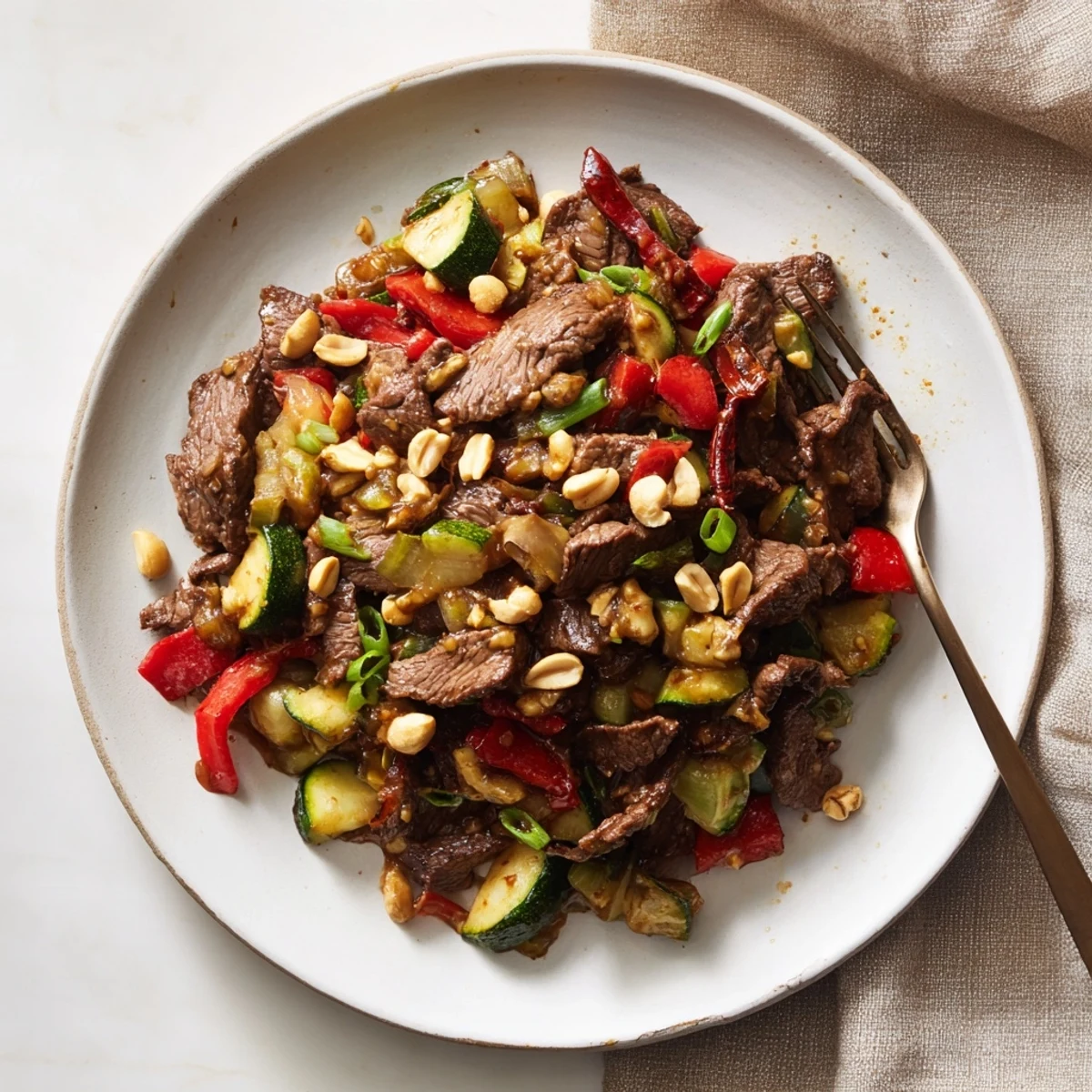
 This Kung Pao beef has become more than just a recipe in my collection its a reliable path to creating a memorable meal that engages all the senses. Whether youre cooking to impress or simply craving something bold and satisfying, those first aromatic moments as ingredients hit the hot wok promise something special is about to happen.
Recipe Questions & Answers
- → Can I prepare the components ahead of time?
-
Yes. Marinate the beef up to 4 hours ahead. Prepare all vegetables and mince aromatics several hours before cooking. Mix the sauce in advance as well. Keep everything refrigerated until ready to cook, then stir-fry everything fresh for best texture and flavor.
- → What's the best way to slice beef against the grain?
-
Identify the grain direction in the flank steak by looking at the muscle fibers. Slice perpendicular to these lines at a slight angle (about 45 degrees) for maximum tenderness. Aim for strips about ¼-inch thick. Partially freezing the beef for 20 minutes beforehand makes slicing easier.
- → How do I control the heat level?
-
Start with fewer dried chilies and remove seeds before adding. For milder versions, skip them entirely and add chili oil to individual servings instead. Conversely, leave seeds in or add extra for more heat. The sauce itself isn't very spicy—the chilies provide the kick.
- → What proteins work as substitutes?
-
Chicken breast works wonderfully—use similar thickness and adjust cooking time slightly. Tofu is an excellent vegetarian option; press it first to remove excess moisture and add it after vegetables. Shrimp is also great; add in the last minute to avoid overcooking.
- → Why is cornstarch added twice in this preparation?
-
Cornstarch in the marinade tenderizes beef and helps it brown beautifully. Cornstarch in the sauce acts as a thickening agent, creating a silky glaze that clings to ingredients. This two-step approach ensures both tender meat and luxurious sauce coating.
- → Can this be made gluten-free?
-
Yes. Use tamari or certified gluten-free soy sauce, and check hoisin sauce labels for gluten content. Most Asian markets carry gluten-free versions of both. Chinese black vinegar is naturally gluten-free. With these substitutions, the dish remains fully compliant for gluten-free diets.