
 Pin It
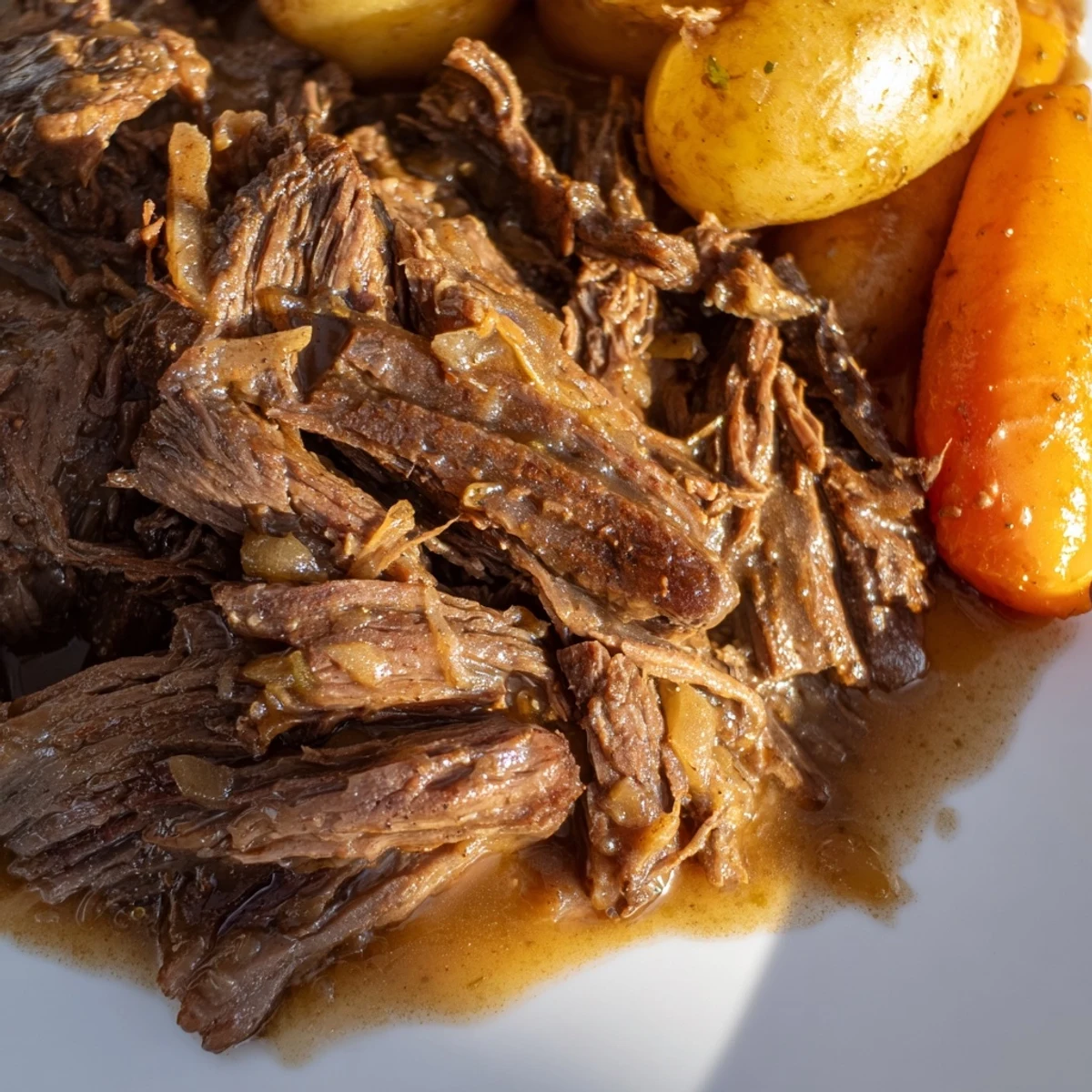
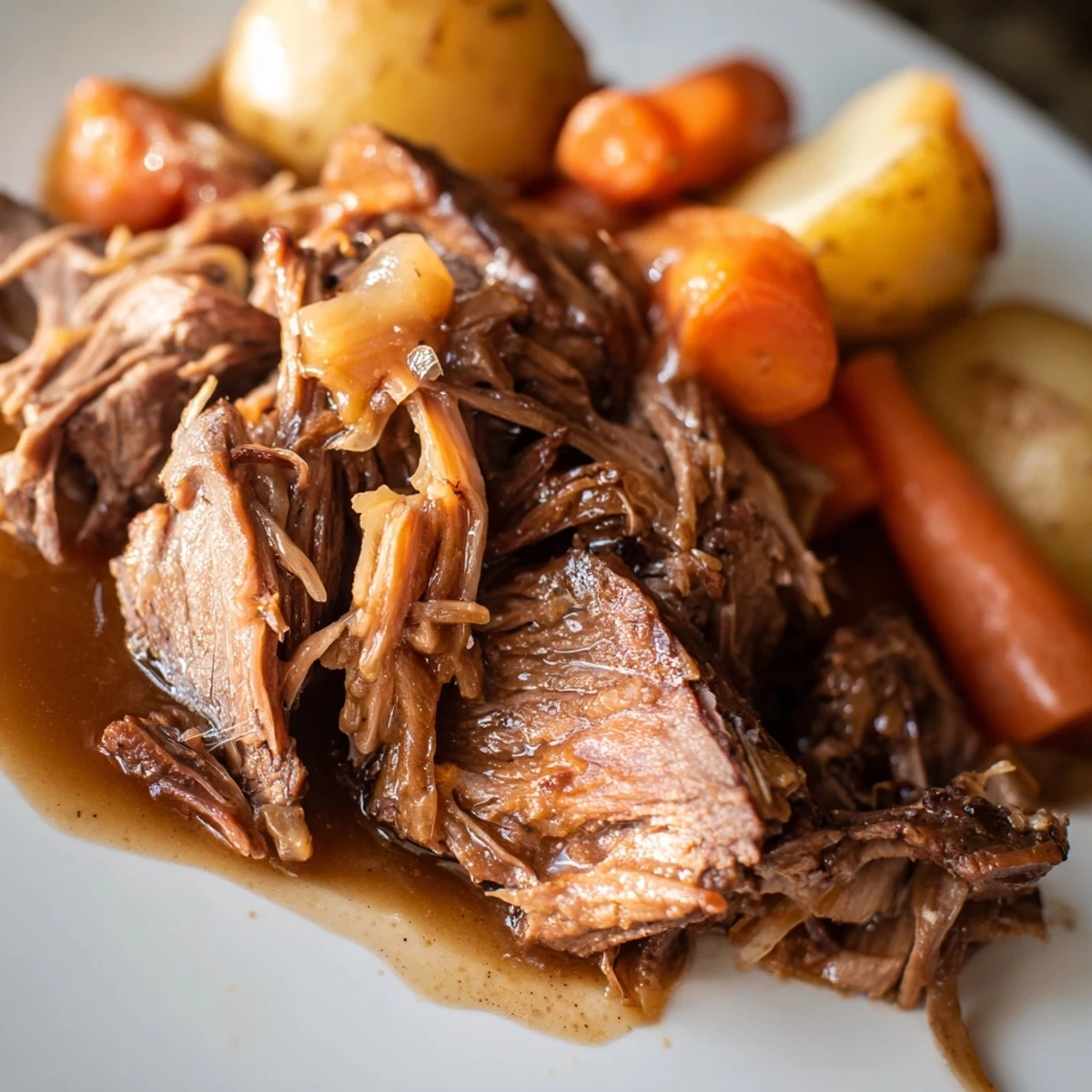
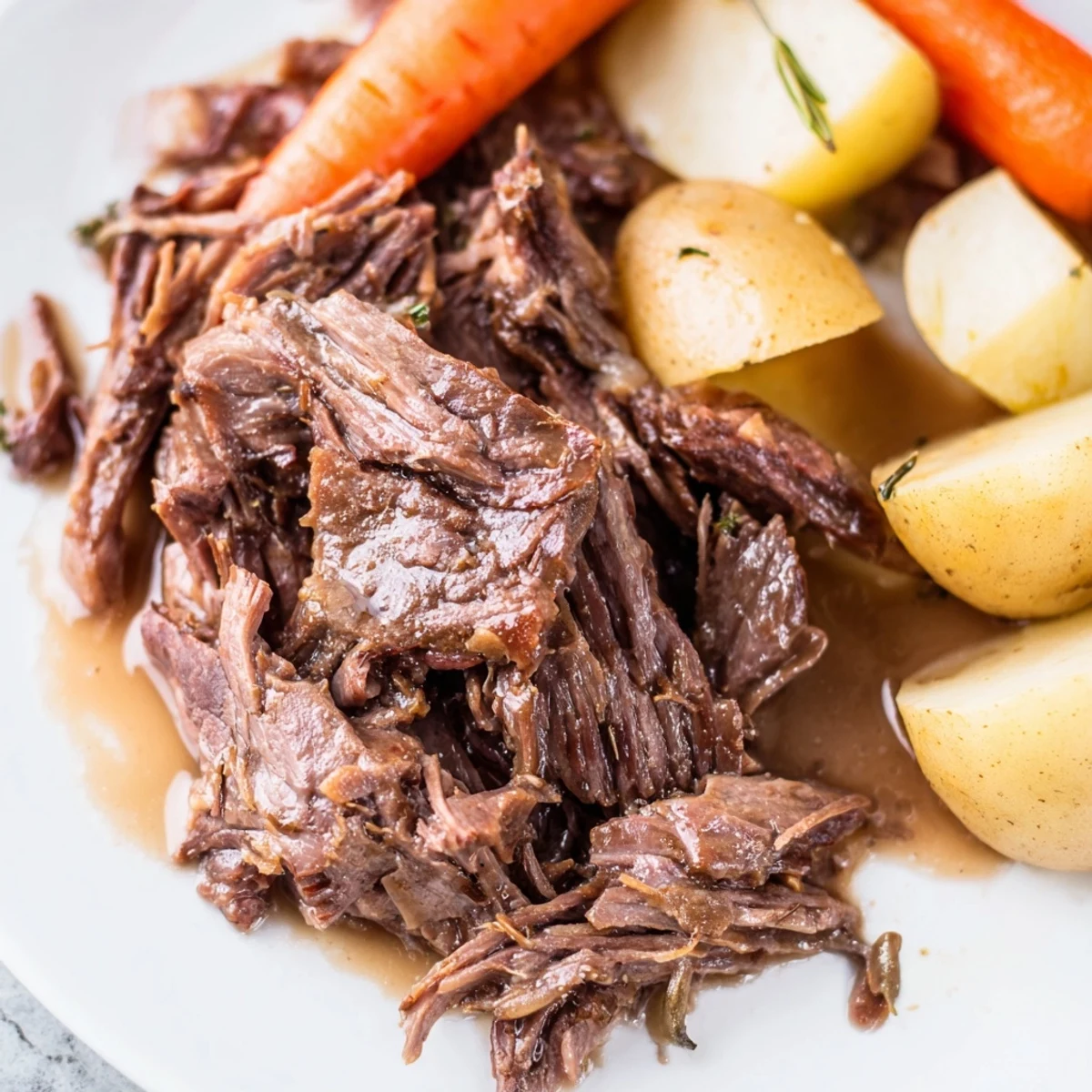
 This dish showcases a beef chuck roast slow-cooked alongside carrots, potatoes, celery, and onions, infused with garlic, rosemary, thyme, and bay leaves. The beef is first seared to lock in flavors, then gently cooked until tender and easy to shred. The broth and Worcestershire sauce add depth, creating a rich sauce that melds perfectly with the vegetables. Ideal for an effortless, hearty main featuring classic American flavors and simple preparation.
There's something almost magical about coming home to the smell of a slow cooker that's been working all day. Years ago, I learned that the secret to a restaurant-quality beef roast wasn't fancy technique—it was patience and a good sear. Now I use this method whenever I need comfort food that practically makes itself.
I made this for my sister's birthday dinner once, and she was convinced I'd spent hours in the kitchen. When I told her it was mostly hands-off time in the slow cooker, she laughed and asked why she'd ever order pot roast at restaurants. That's when I knew this recipe was a keeper.
Ingredients
- 1 beef chuck roast (3–4 lb): Chuck has enough marbling to stay juicy during the long cook—don't get tempted by leaner cuts.
- 4 medium carrots, peeled and chunked: They soften into sweet, tender pieces that absorb all the savory liquid.
- 3 medium potatoes, quartered: Waxy potatoes hold their shape better than starchy ones.
- 2 celery stalks, sliced: These build flavor depth along with the aromatics.
- 1 large onion, chopped: The onion dissolves slightly, thickening and sweetening the braising liquid.
- 4 garlic cloves, minced: Fresh garlic adds brightness that dried can't match.
- 2 sprigs fresh rosemary (or 1 tsp dried): Fresh herbs stay vibrant; dried works if that's what you have.
- 2 sprigs fresh thyme (or 1 tsp dried): Thyme's earthiness complements beef beautifully.
- 2 bay leaves: Remove these before serving—they're flavor builders, not food.
- 2 cups beef broth: Quality matters here; it's the foundation of your sauce.
- 2 tbsp Worcestershire sauce: This adds umami depth that makes people ask what your secret is.
- 1½ tsp salt and 1 tsp black pepper: Season boldly before searing—this crust is everything.
- 2 tbsp olive oil: High heat searing needs a sturdy oil that won't smoke.
Instructions
- Dry and season the roast:
- Pat your beef completely dry with paper towels—this is what lets you get a proper crust. Season all sides generously with salt and pepper, then let it sit for a minute so the seasoning sticks.
- Build a golden crust:
- Heat oil in a large skillet until it shimmers, then lay in the roast. Listen for that sizzle—it means the pan is hot enough. Sear about 3–4 minutes per side until deep brown, using tongs to turn it carefully.
- Layer your slow cooker:
- Scatter carrots, potatoes, celery, and onion across the bottom. They become a bed that keeps the meat from sitting directly on the ceramic and ensures even cooking.
- Nestle in the roast:
- Place the seared beef right on top of the vegetables. The aromatics go on and around it now.
- Add herbs and seasonings:
- Scatter minced garlic, rosemary, thyme, and bay leaves over and around the roast. Don't worry about even distribution—heat will carry these flavors everywhere.
- Pour in the liquid:
- Combine beef broth and Worcestershire sauce, then pour it over everything. The liquid should come about halfway up the roast, not submerge it.
- Set and forget:
- Cover and cook on LOW for 8 hours. Resist the urge to peek too often—each time you lift that lid, you're adding 15 minutes to cooking time.
- Finish and serve:
- Fish out the bay leaves and any tough herb stems. Slice or shred the beef (it should be so tender a fork does the work), then serve with the vegetables and braising liquid spooned over top.
 Pin It
 My kids used to push vegetables around their plates until I started this recipe. Something about the long cook time made them soften enough that even the pickiest eater didn't complain. Food has a way of bringing people together when given the time and care.
The Power of Patience
The slow cooker does something almost impossible—it breaks down tough muscle fibers and tough connective tissue into pure tenderness without drying anything out. This is the opposite of how you'd cook steak. The low, gentle heat and steam keep everything moist while the long hours transform cheap cuts into something luxurious. It's alchemy that requires almost no attention.
Flavor Building Layers
Start with a good sear and you're already halfway to depth. The herbs and Worcestershire add complexity that keeps taste buds interested. The vegetables contribute sweetness and body, while the beef broth becomes more than liquid—it becomes a sauce. Each ingredient plays a specific role, and together they create something far better than any single element alone.
Variations and Serving Ideas
This roast is flexible enough to adapt to what you have on hand and what sounds good. Root vegetables are your best friend here, but the core technique stays the same. Serve it with crusty bread to soak up every drop of sauce, or over mashed potatoes, egg noodles, or even rice. Some nights I spoon it over toast for a casual dinner; other times I plate it elegantly for guests who always ask for seconds.
- Try sweet potatoes or parsnips for a earthier, slightly sweeter twist.
- For a thicker gravy, remove 1 cup of cooking liquid in the last 20 minutes, whisk in 1 tbsp cornstarch, and return it to the pot.
- Leftover roast shreds beautifully into sandwiches the next day.
 Pin It
 This is the kind of recipe that becomes a family tradition almost without you planning it. Make it once and it'll get requested by name forever.
Recipe Questions & Answers
- → What cut of beef is best for this dish?
-
Beef chuck roast is ideal due to its marbling and texture, which becomes tender during slow cooking.
- → Can I substitute vegetables in this dish?
-
Yes, sweet potatoes or parsnips can replace potatoes for a different flavor profile.
- → How do I thicken the cooking liquid?
-
Remove a cup of the liquid, whisk in cornstarch, and return it to the cooker for 20 minutes for a thicker gravy.
- → Is searing the beef necessary?
-
Searing adds flavor through browning and helps retain juices throughout cooking.
- → What herbs enhance the flavors best?
-
Fresh or dried rosemary, thyme, and bay leaves complement the beef and vegetables beautifully.