
 Pin It
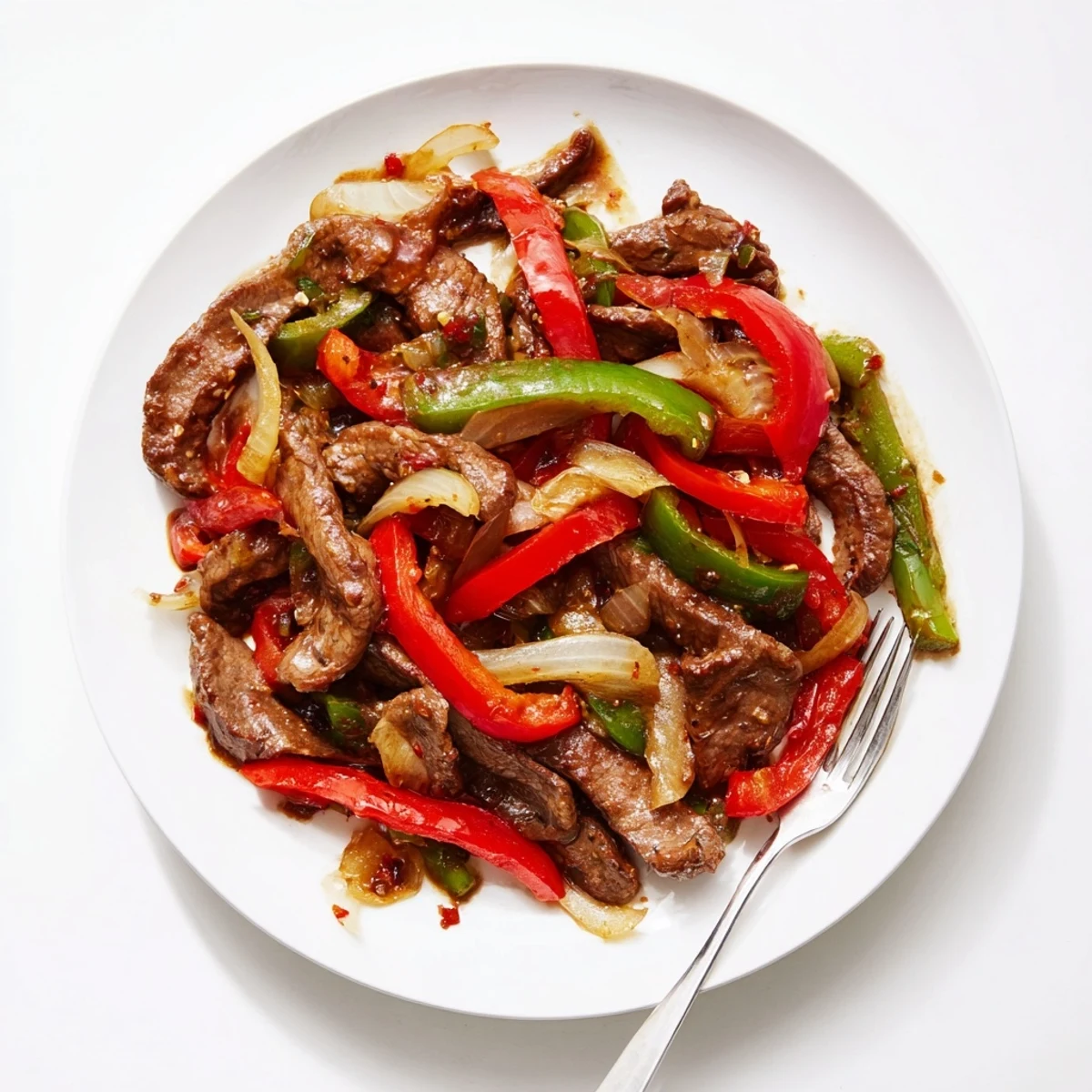
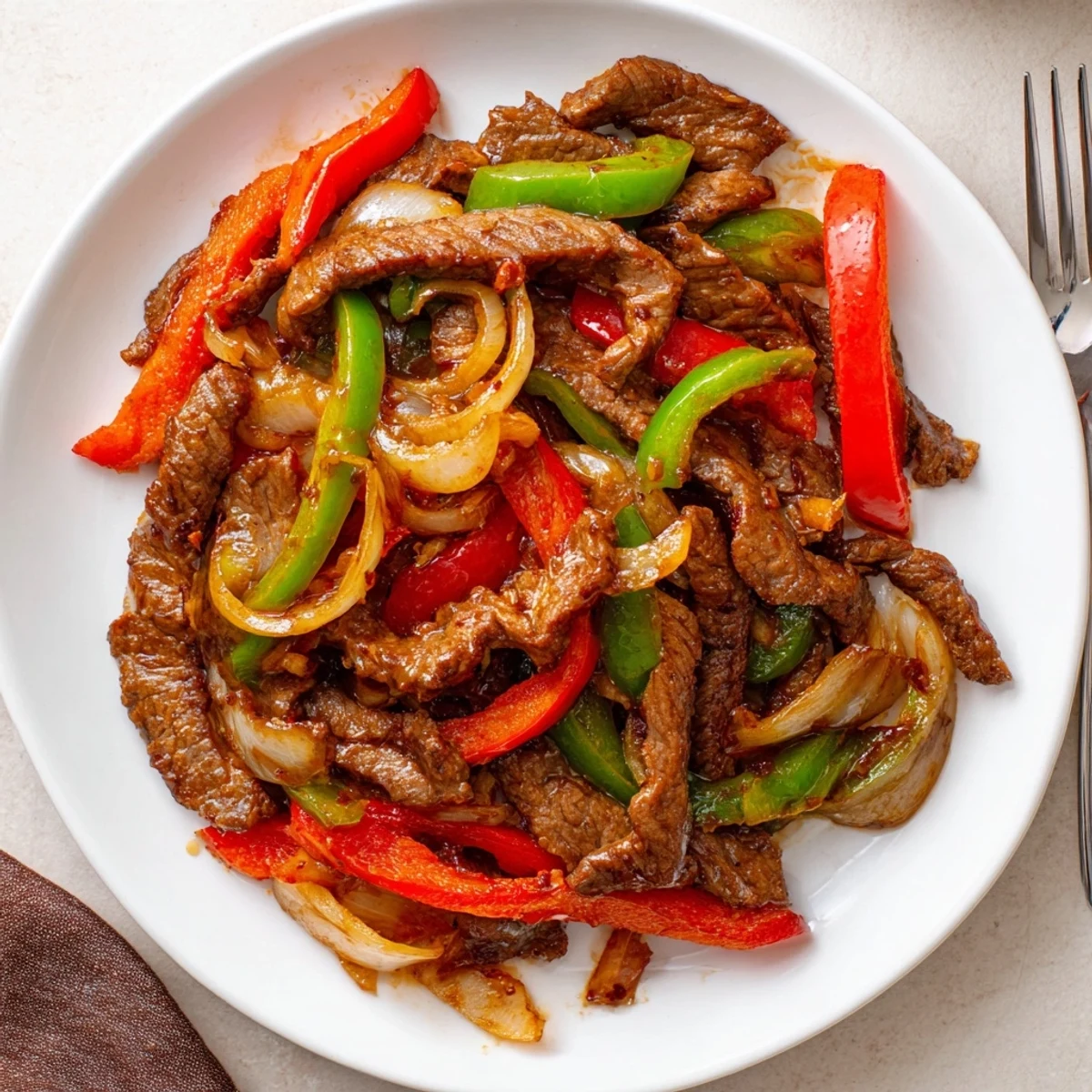
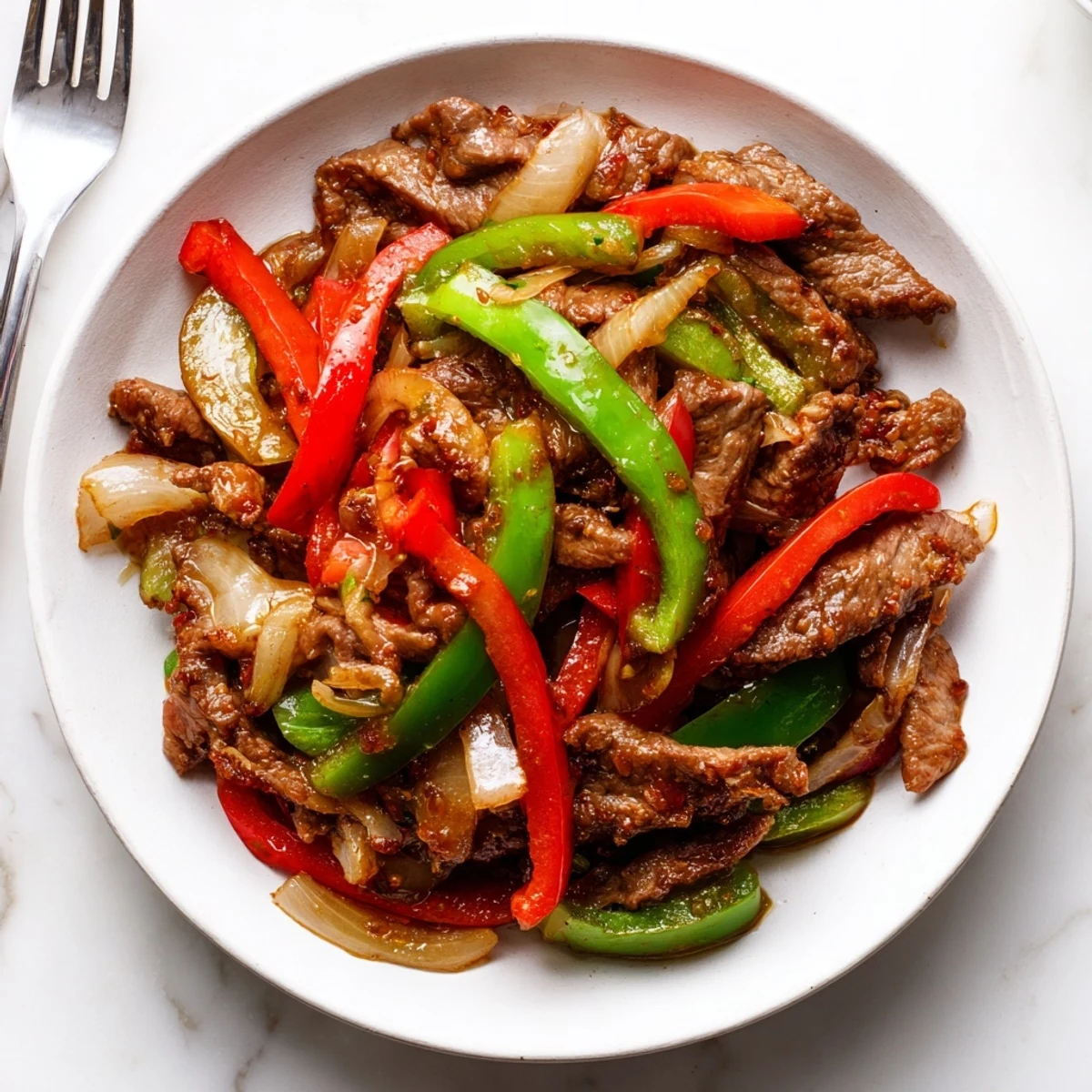
 This classic Chinese-American stir-fry features thinly sliced flank steak seared to perfection with colorful bell peppers and sweet onions. The beef gets a quick marinade in soy sauce and Shaoxing wine, ensuring tenderness and flavor absorption. A rich sauce combining oyster sauce, hoisin, and beef broth creates that signature glossy coating.
The entire dish comes together in just 30 minutes, making it ideal for busy weeknights when you want something satisfying without hours of preparation. High-heat cooking preserves the vegetables' crisp-tender texture while developing deep caramelized flavors.
The first time I attempted pepper steak in my tiny apartment kitchen, I underestimated how quickly high heat transforms thin slices of beef. My smoke alarm went off, but that first bite of properly seared meat with crisp peppers made me forget the embarrassment entirely. Now I know the secret is patience during prep and speed during cooking.
My friend Jen came over for dinner last month and watched me make this, marveling at how simple the technique actually is. We stood over the wok breathing in the aroma of ginger and peppers hitting hot oil, and she admitted shed been ordering takeout for years because she thought stir fry was complicated. Now she texts me photos of her pepper steak attempts.
Ingredients
- Flank steak: This cut becomes incredibly tender when sliced thinly against the grain, and its robust flavor stands up beautifully to the bold pepper sauce
- Shaoxing wine: This Chinese cooking wine adds depth and subtle sweetness that you cannot replicate with anything else in the pantry
- Cornstarch: Essential for both tenderizing the beef during marination and thickening the sauce into that glossy restaurant style coating
- Freshly ground black pepper: The star of the show, so please grind it fresh and do not be shy with it
- Bell peppers: Use both colors for visual appeal but also because red peppers bring natural sweetness while green contribute slight bitterness
- Oyster sauce: This umami rich ingredient creates that savory depth that makes Chinese American takeout so addictive
- Hoisin sauce: Adds a complex sweet and salty note that balances the heat from the pepper
- Beef broth: Low sodium versions let you control the salt level while still providing body to the sauce
Instructions
- Prepare the beef:
- Cut your flank steak while its slightly firm from the fridge, slicing as thinly as possible against the grain to ensure tenderness
- Marinate the meat:
- Combine the beef with soy sauce, Shaoxing wine, cornstarch and pepper in a bowl, using your hands to coat every piece evenly
- Make the sauce:
- Whisk together the soy sauce, oyster sauce, hoisin, sugar, beef broth and cornstarch until the cornstarch dissolves completely
- Sear the beef:
- Heat your wok until smoking hot, add oil, then spread the beef in a single layer and let it develop a dark crust before flipping
- Cook the vegetables:
- Add fresh oil to the wok and stir fry the onions and peppers over high heat until they pick up some char but still retain their crunch
- Combine everything:
- Return the beef to the wok, pour in the sauce and toss constantly until it thickens and coats everything in glossy perfection
 Pin It
 Last winter my partner requested this for what felt like the tenth night in a row, and I realized it had become our cold weather comfort food without either of us planning it. Something about that combination of heat from the pepper and warmth from the ginger just works when the wind is howling outside.
Getting The Right Beef Texture
The difference between tough and tender pepper steak comes down entirely to how you slice the meat. Look for the long muscle fibers running through the flank steak and cut perpendicular to them, almost shaving the meat into thin strips. I learned this technique after years of chewing through disappointing stir fry, and it changed everything.
Wok Temperature Matters
Professional Chinese cooks keep their woks at temperatures that would terrify most home cooks, and that intense heat creates what we call wok hei. While you might not achieve restaurant level heat on a home stove, getting your pan as hot as possible before adding oil gives you the best chance at developing those desirable seared flavors.
Make Ahead Strategy
You can slice the beef and mix up both the marinade and sauce up to a day in advance, storing them in separate containers in the refrigerator. This prep work means weeknight dinner comes together in about ten minutes.
- Cut all your vegetables before you start cooking because once you turn on the heat things move fast
- Have a clean plate ready for the seared beef so you do not accidentally overcook it while staring at the vegetables
- Warm your serving bowls in the oven so the dish stays hot from wok to table
 Pin It
 This recipe has earned its permanent spot in my dinner rotation not just because it is delicious but because it never fails to make me feel like a competent cook even on chaotic days.
Recipe Questions & Answers
- → What cut of beef works best?
-
Flank steak is ideal due to its rich flavor and manageable texture when sliced thinly against the grain. Sirloin or skirt steak make excellent substitutes if flank isn't available.
- → Can I make this gluten-free?
-
Absolutely. Replace regular soy sauce with tamari and ensure your oyster sauce is certified gluten-free. The technique and flavors remain virtually identical.
- → How spicy is this dish?
-
The base version delivers mild heat from freshly ground black pepper. For significant spice, add sliced fresh chilies or red pepper flakes during the vegetable stir-fry stage.
- → Why marinate the beef?
-
The quick marinade with cornstarch and soy sauce tenderizes the meat fibers and creates a protective coating that keeps the beef juicy during high-heat searing.
- → What sides complement this?
-
Steamed jasmine rice is traditional and perfectly absorbs the savory sauce. Garlic fried noodles or plain congee also work beautifully as accompaniments.
- → Can I prep this ahead?
-
Slice the beef and vegetables up to a day in advance, storing them separately. Keep the sauce ingredients measured and ready. The actual cooking takes less than 15 minutes.