
 Pin It
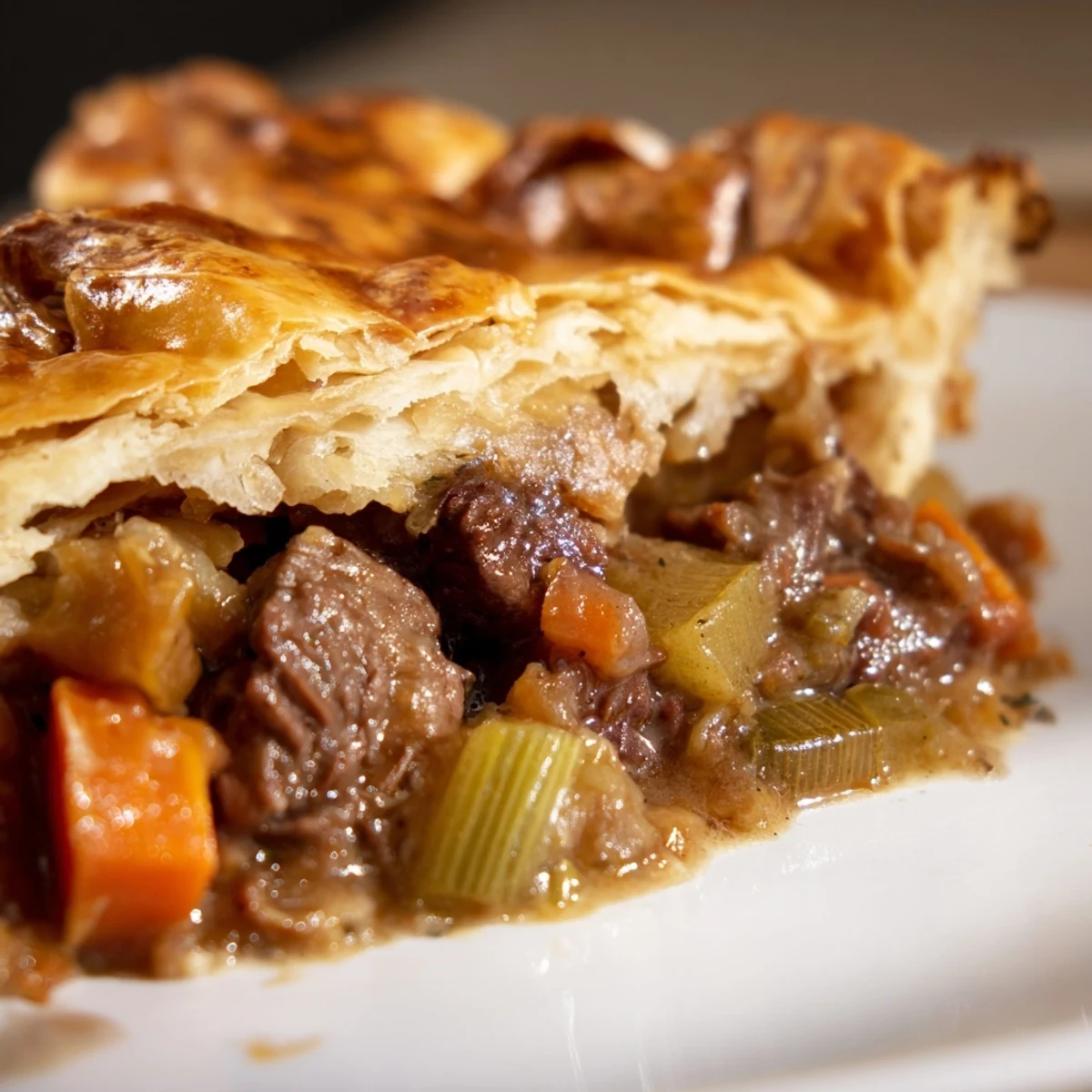
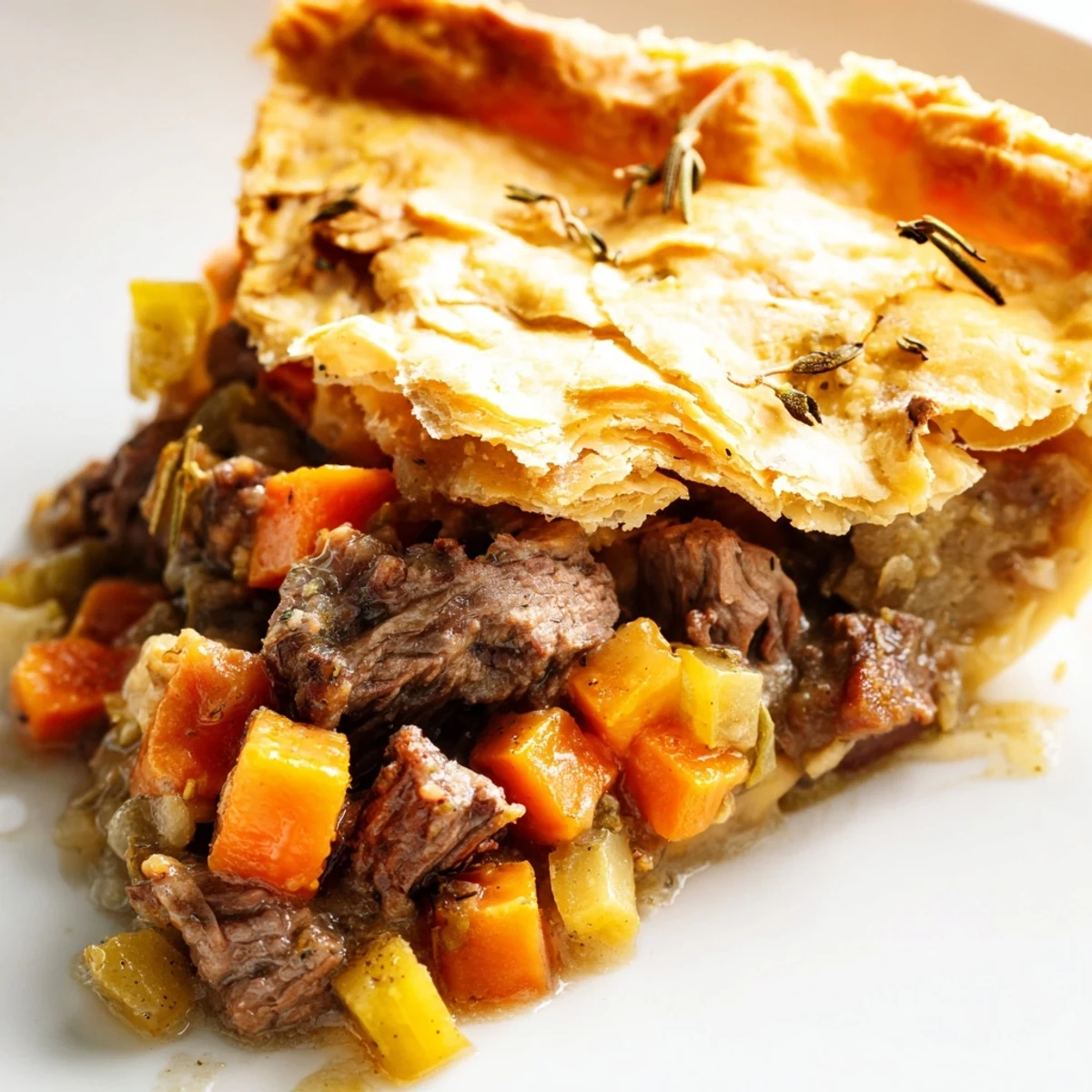
 This savory dish features tender beef simmered slowly with carrots, celery, and aromatic herbs to develop a rich, flavorful filling. Enclosed in golden, flaky shortcrust pastry, the pie offers a comforting balance of textures. Perfect for family dinners, the filling is thickened naturally and gently cooked to bring deep, hearty flavors without the use of ale. Ideal served warm alongside mashed potatoes and steamed greens.
There's something about a beef and ale-free pie that stops conversations at the dinner table. My grandmother used to make hers on grey Sunday afternoons, the kitchen filling with the smell of beef simmering in tomato and stock while she'd hum along to whatever was on the radio. I've made countless versions since, but the moment I learned to let the filling cool completely before sealing it with pastry was when everything changed—no soggy bottoms, just golden, crisp perfection.
I made this for my neighbor last winter when she'd just moved to the area, and watching her take that first bite while steam rose from her plate—that's when I knew this recipe was something special. She asked for it before she'd even finished eating, which is the highest compliment any cook can get.
Ingredients
- Beef chuck or stewing steak (800 g): You need a cut with some marbling and connective tissue; it breaks down into pure tenderness during the long simmer and makes the gravy naturally silky.
- Olive oil (2 tbsp): Don't skimp here—it's what gets that crucial golden crust on the beef before everything goes into the pot together.
- Onion, carrots, and celery (1 onion, 2 carrots, 2 stalks): This is your flavor foundation; the vegetables soften into the gravy and disappear, leaving behind sweetness and depth.
- Garlic (2 cloves): Minced small so it distributes evenly and adds savory backbone without any harsh bite.
- Tomato paste (2 tbsp): This concentrates the umami and gives the gravy a subtle richness that ale would normally provide.
- Plain flour (2 tbsp): Acts as a thickener and helps create that velvety texture in the filling.
- Beef stock (400 ml): Use the best stock you can find; it's the soul of this pie's flavor.
- Worcestershire sauce (1 tbsp): The secret weapon for savory depth—just a tablespoon does the work an entire glass of ale might.
- Thyme and rosemary (1 tsp each): Dried herbs work beautifully here; add them early so they steep into every bite.
- Bay leaves (2): Remove them before the pie dish goes in, but don't skip them during cooking.
- Salt and black pepper: Taste as you go; the flavors concentrate as the filling cooks down.
- Ready-rolled shortcrust pastry (375 g): Quality pastry makes a real difference—look for one with a good butter content if you can.
- Egg (1, beaten): This glaze is what gives you that glossy, golden finish that makes people say 'wow' when it comes out of the oven.
Instructions
- Get your oven and pan ready:
- Preheat to 180°C (350°F) and heat 1 tbsp of olive oil in a large, heavy-based pan over medium-high heat. You want it shimmering but not smoking.
- Sear the beef in batches:
- Brown the beef cubes on all sides—this takes 3-4 minutes per batch and builds flavor through caramelization. Don't crowd the pan; work in two batches if needed, transferring each to a plate as you go.
- Build your flavor base:
- Add the remaining oil to the pan and sauté the onion, carrots, and celery for 5 minutes until they soften and smell incredible. They should be tender but not browned.
- Add aromatics and thicken:
- Stir in the minced garlic, cook for just 1 minute, then add the tomato paste and flour. Stir constantly for another 2 minutes so the flour loses its raw taste and everything melds together.
- Deglaze and combine:
- Gradually pour in the beef stock while scraping up all those browned bits stuck to the bottom of the pan—that's liquid gold. Stir in the Worcestershire sauce, dried thyme, rosemary, and bay leaves, then return the beef to the pan and season with salt and pepper to taste.
- Simmer low and slow:
- Bring everything to a gentle simmer, cover the pan, and let it cook for about 1.5 hours, stirring occasionally. The beef should be fork-tender and the gravy thick enough to coat the back of a spoon. Remove the bay leaves and let the filling cool completely—this is crucial for a crisp pastry top.
- Assemble the pie:
- Spoon the cooled beef mixture into your pie dish, then unroll the pastry over the top. Trim away any excess and crimp the edges with a fork to seal everything in, creating a pattern that also looks beautiful.
- Cut a vent and glaze:
- Make a small cut in the center of the pastry to let steam escape, then brush the entire top with beaten egg. This gives you that gorgeous golden shine.
- Bake until golden:
- Bake for 30-35 minutes, until the pastry is crisp and deep golden. If it starts browning too quickly, loosely tent it with foil.
- Rest before serving:
- Let the pie sit for 5 minutes out of the oven; this lets everything set slightly so it cuts cleanly and stays together on the plate.
 Pin It
 My friend Sarah brought her kids over the first time I made this, and watching them actually eat their vegetables without complaint because they were nestled in this rich, savory filling felt like winning at something important. That's when I realized this pie isn't just comfort food—it's a way to bring people together.
Why Ale-Free Works Better Than You'd Think
When I first heard someone suggest making this without ale, I was skeptical—doesn't beef stew need that deep, malty flavor? But tomato paste, Worcestershire sauce, and a slow simmer create something equally rich and complex without any bitterness. The beef becomes the star instead of competing with alcohol, and honestly, your kitchen smells better for it. Plus, there's no slight sourness that can sometimes linger with ale, just pure, clean savory goodness.
Pastry Perfection Secrets
The difference between a good pie and one people actually talk about comes down to three things: a cool filling, a high oven temperature for the final bake, and that beaten egg glaze. The glaze isn't just for looks—it protects the pastry from absorbing moisture from the filling below, keeping everything crisp. I learned this the hard way after making dozens of pies with soggy bottoms before someone told me this simple trick.
Variations and Next Steps
Once you've made this beef pie a few times and know how it feels and tastes, you can start playing with it. A splash of balsamic vinegar in the last few minutes adds complexity, or a teaspoon of Marmite if you want real umami punch. For vegetarians, lamb is a natural swap, or load it up with root vegetables like parsnips, sweet potatoes, and mushrooms. The process stays exactly the same; just adjust your stock to match.
- Serve with creamy mashed potatoes and steamed greens for the perfect traditional meal.
- Make it ahead and refrigerate for up to two days, then bake from cold (add 5-10 minutes to the baking time).
- Freeze the filling before adding pastry for up to three months, and it thaws beautifully when you're ready to bake.
 Pin It
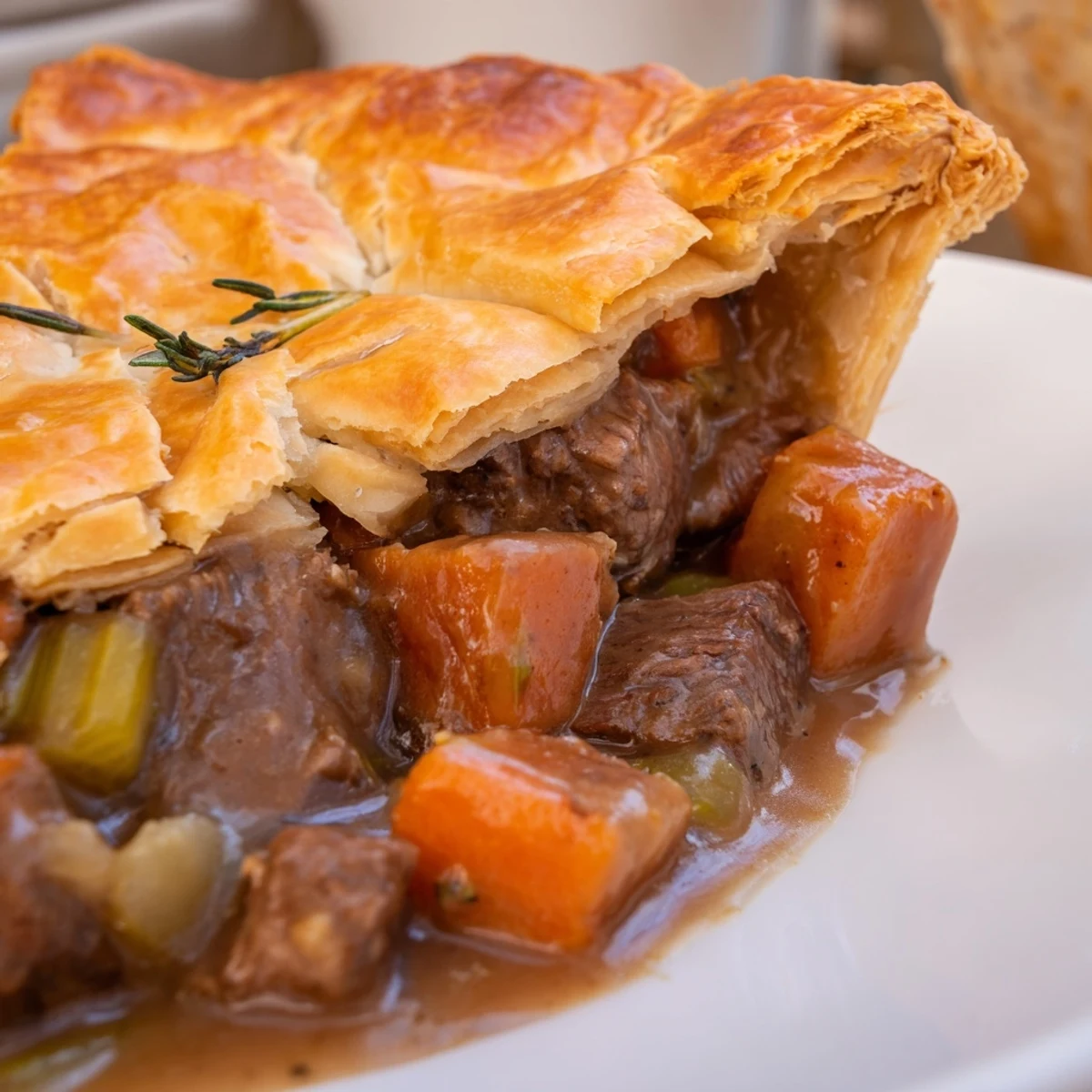
 There's something deeply satisfying about pulling a golden beef pie from the oven and knowing that every element—the tender beef, the silky gravy, the crispy pastry—came together because you understood the why behind each step. That's when cooking stops being a chore and becomes something you genuinely look forward to doing again.
Recipe Questions & Answers
- → What cut of beef works best?
-
Beef chuck or stewing steak cut into cubes is ideal for slow cooking and achieving tender results.
- → Can the filling be prepared in advance?
-
Yes, cooking the filling ahead allows flavors to meld and makes assembly quicker before baking.
- → How to achieve a crisp golden pastry top?
-
Brush the pastry with beaten egg before baking to enhance browning and create a crisp finish.
- → Are there alternatives to beef for this filling?
-
Lamb or root vegetables can be used for different flavor profiles; adjust cooking times accordingly.
- → How is the gravy thickened naturally?
-
A combination of plain flour and slow simmering helps produce a rich, thickened gravy coating the filling.