
 Pin It
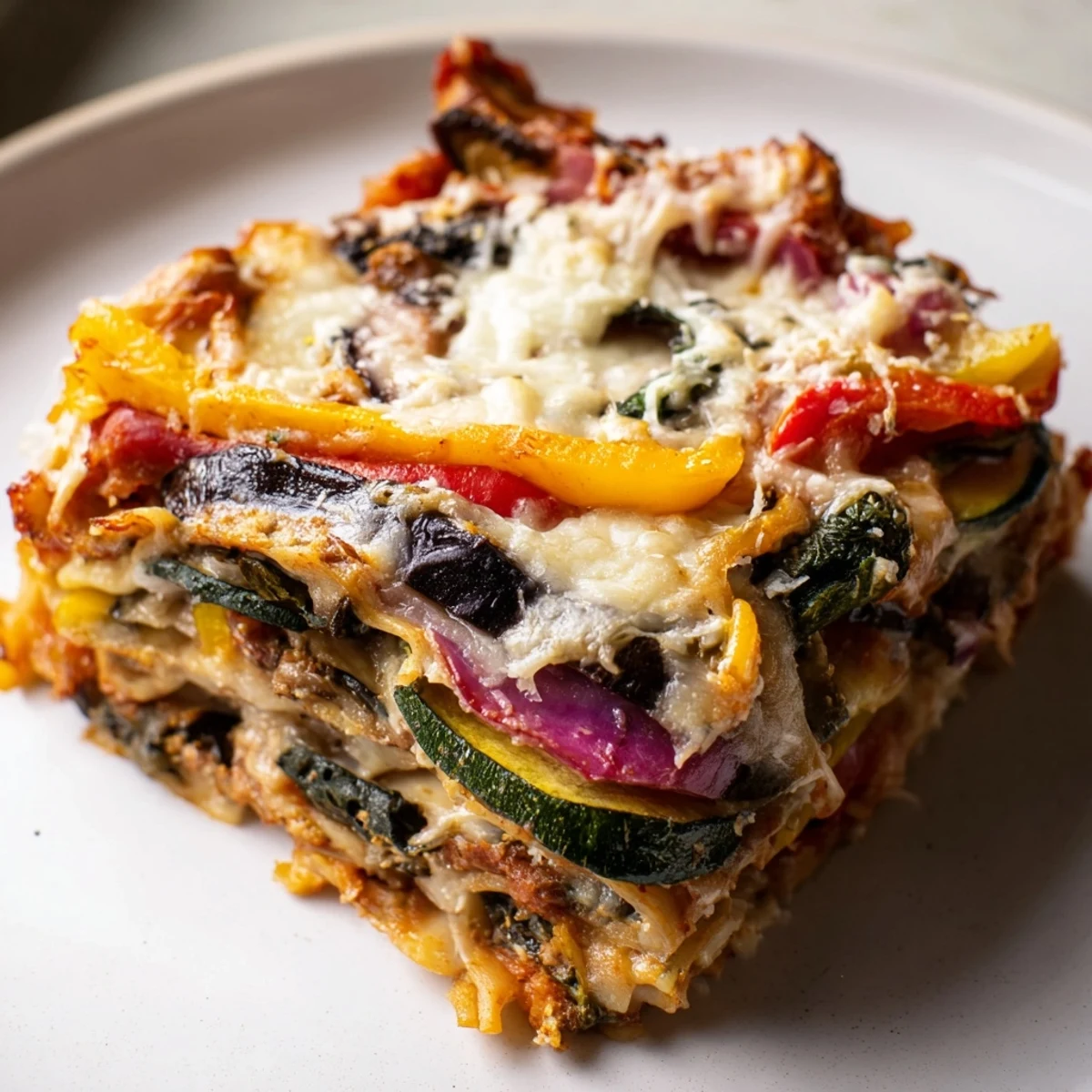
 This layered Italian dish combines tender roasted zucchini, eggplant, peppers, and onions with creamy béchamel sauce and no-boil pasta sheets. The vegetables are seasoned with oregano and olive oil before roasting to caramelized perfection. Layers alternate between béchamel, roasted veggies, mozzarella, and spinach, finished with Parmesan for a golden, bubbling top. Baking at controlled temperatures ensures a rich, comforting texture. Serve rested and paired with fresh greens or wine for a satisfying vegetarian main course.
There's something about the smell of eggplant and zucchini caramelizing in the oven that stops me mid-afternoon and makes me think of long weekends. My neighbor once asked why lasagna had to mean meat, and I realized I'd never made the vegetable version despite growing up watching my aunt layer vegetables like she was building something precious. That conversation led me here, to this particular dish that somehow tastes more homemade than any recipe I'd followed before.
I made this for a book club where someone had just turned vegetarian, and I wanted to make something that didn't feel like a sacrifice on her plate. When she asked for the recipe, I knew I'd nailed it—and I realized that comfort food doesn't need to come from tradition, it needs to come from care.
Ingredients
- Zucchini: Slice it into thin rounds so it roasts through instead of staying watery in the middle.
- Eggplant: The key to not ending up with rubbery eggplant is letting it get genuinely caramelized—don't rush the roasting.
- Red and yellow bell peppers: They add natural sweetness and bright color that keeps the lasagna from looking dull.
- Red onion: Roasting mellows its bite into something almost candy-like, a secret ingredient people never guess.
- Olive oil: Use good oil for roasting; it makes an actual difference in how the vegetables taste.
- Dried oregano: Toast it lightly with the oil to wake up its flavor before tossing with vegetables.
- Unsalted butter: You need real butter for béchamel—margarine just won't give you that silky texture.
- All-purpose flour: This makes the roux that thickens the sauce without any lumps if you whisk constantly.
- Whole milk, warmed: Cold milk hitting the hot roux will seize up; always warm it first or add it slowly.
- Nutmeg: Just a whisper of it transforms béchamel from plain to something people can't quite name but love.
- No-boil lasagna noodles: They'll soften perfectly from the moisture of the vegetables and sauce, no pre-cooking needed.
- Mozzarella cheese: Shred it yourself if you can; the pre-shredded stuff has anti-caking agents that prevent proper melting.
- Parmesan cheese: Freshly grated gets you a better finish on top than the green canister version.
- Baby spinach: Optional but it adds earthiness and makes you feel virtuous, plus it wilts into nothing so it won't overpower.
Instructions
- Set your stage with heat:
- Preheat your oven to 425°F and line two baking sheets with parchment paper—this matters because it keeps the vegetables from sticking and lets them brown properly underneath.
- Cut and coat your vegetables:
- Slice everything into rounds or strips roughly the same thickness so they roast evenly. Toss them with olive oil, oregano, salt, and pepper, making sure every piece gets coated because the oil is what creates that caramelization you're after.
- Roast until golden:
- Spread them on the sheets in a single layer and roast for 20 to 25 minutes, flipping halfway through. You're looking for the edges to turn golden and slightly crispy while the insides become tender—that's when the real flavor happens.
- Make the béchamel foundation:
- In a medium saucepan, melt butter over medium heat, then whisk in flour and let it cook for a minute or two until it smells slightly toasted but not brown. This roux is the base of everything creamy that's about to happen.
- Add the milk gradually:
- Pour in your warm milk slowly while whisking constantly—this is the moment that teaches patience. You're building a smooth sauce, not fighting lumps, so keep whisking and let it come together over 5 to 7 minutes until it coats the back of a spoon.
- Season and finish the sauce:
- Stir in just a pinch of nutmeg, salt, and white pepper, then take it off the heat and let it cool slightly while you get ready to build.
- Build your first layer:
- Lightly oil your 9x13 baking dish, then spread a thin layer of béchamel on the bottom. This prevents sticking and creates a cushion for everything above it.
- Layer with intention:
- Place noodles over the sauce, then add about one-third of your roasted vegetables, a handful of spinach if you're using it, another layer of béchamel, and a sprinkle of mozzarella. Think of it like building something with intention—each layer supports the next.
- Repeat and finish strong:
- Do this two more times, making sure your top layer is noodles, then the last of your béchamel, and finish with mozzarella and Parmesan. The cheese on top is what gets those crispy-edged spots you're dreaming about.
- Cover and bake low:
- Cover the dish with foil and bake at 375°F for 25 minutes—the foil keeps the top from burning before the inside sets. Then uncover and bake another 15 minutes until it's golden and bubbling at the edges.
- Rest before serving:
- Let it sit for 10 to 15 minutes after it comes out of the oven; this sounds unnecessary but it's when the layers actually set into neat slices instead of sliding into each other on the plate.
 Pin It
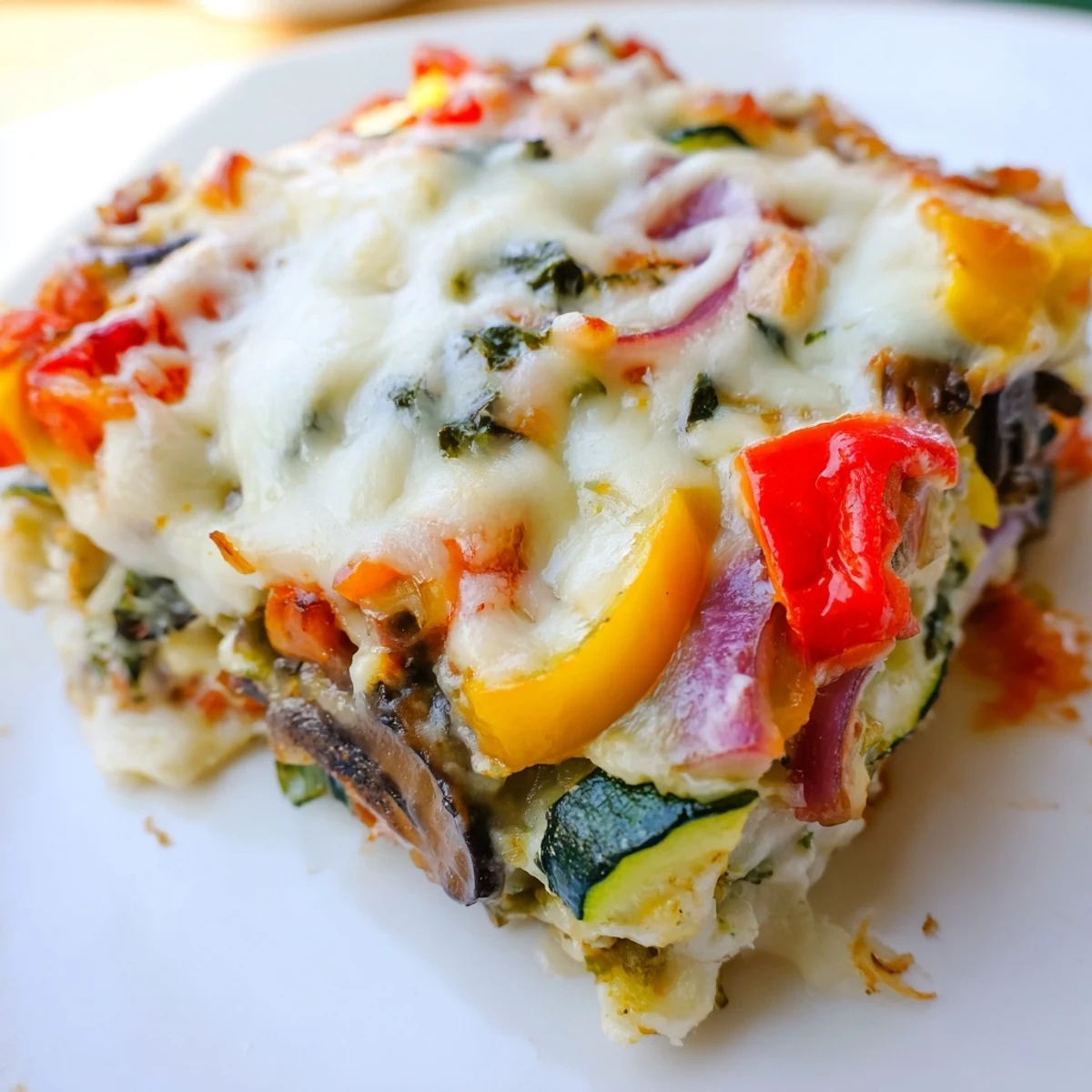
 What got me about this dish was watching people who claimed to never want vegetarian food ask for seconds, then thirds. It became clear that the magic wasn't about what was missing, but about how much care went into making what was there taste absolutely worth it.
The Vegetable Roasting Secret
Most people undercook their vegetables because they're worried about them falling apart, but that's exactly backwards. You want them past tender, to the point where the edges are actually caramelized and slightly crispy—that's where the flavor lives. The eggplant especially needs time to transform from something that tastes watery and mild into something rich and almost buttery.
Why Béchamel Changes Everything
Béchamel is just butter, flour, and milk, but it's the difference between a vegetable lasagna that tastes like a light lunch and one that feels like a proper dinner. It binds everything together and creates this creamy medium that makes every bite feel cohesive instead of like you're eating separate components. The nutmeg is the secret weapon—it's barely noticeable until it's gone, and then you understand why that one flavor matters so much.
Customizing Without Losing Your Way
This recipe is flexible enough to work with whatever vegetables you have growing or are on sale at the market. Mushrooms are phenomenal here, winter squash adds sweetness, and broccoli works if you're brave. Just remember to cut everything roughly the same thickness so it roasts evenly, and don't be afraid to swap out half the mozzarella for a sharp cheddar if you want more punch.
- Pesto layered between vegetables adds a bright note that makes the whole dish feel less heavy.
- If spinach isn't your thing, thin slices of fresh tomato work beautifully between layers.
- Serve with a simple green salad and actual wine because this dish deserves to be part of an occasion.
 Pin It
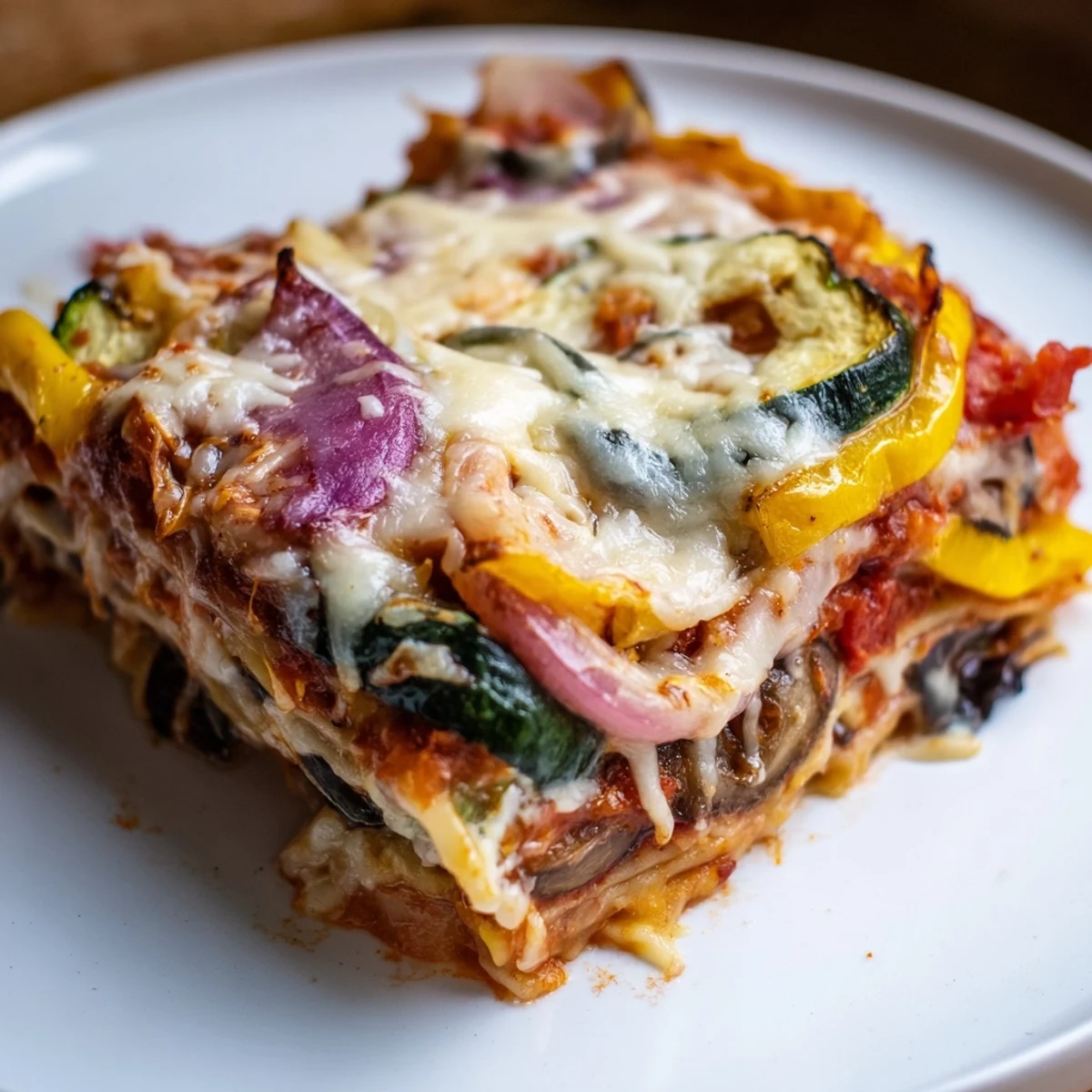
 This lasagna has become the recipe I make when I want to show someone that vegetarian cooking is just as satisfying and worthy of a proper dinner table. It's never felt like a compromise, only like a choice made with love.
Recipe Questions & Answers
- → How do I roast the vegetables evenly?
-
Slice all vegetables uniformly and spread them in a single layer on parchment-lined sheets. Toss with olive oil, oregano, salt, and pepper before roasting at 425°F, flipping halfway through for even caramelization.
- → What is the best way to avoid lumps in béchamel sauce?
-
Whisk melted butter with flour over medium heat until golden, then gradually add warm milk while stirring constantly to prevent lumps from forming.
- → Can alternative vegetables be used in this dish?
-
Yes, seasonal vegetables like mushrooms or squash can substitute the listed roasted vegetables for varied flavors and textures.
- → Should the pasta sheets be cooked before assembling?
-
No-boil lasagna noodles are used, so they can be layered directly without pre-cooking, saving time and maintaining texture.
- → How long should the lasagna rest before slicing?
-
Let the lasagna rest for 10 to 15 minutes after baking to allow layers to set and make slicing easier.