
 Pin It
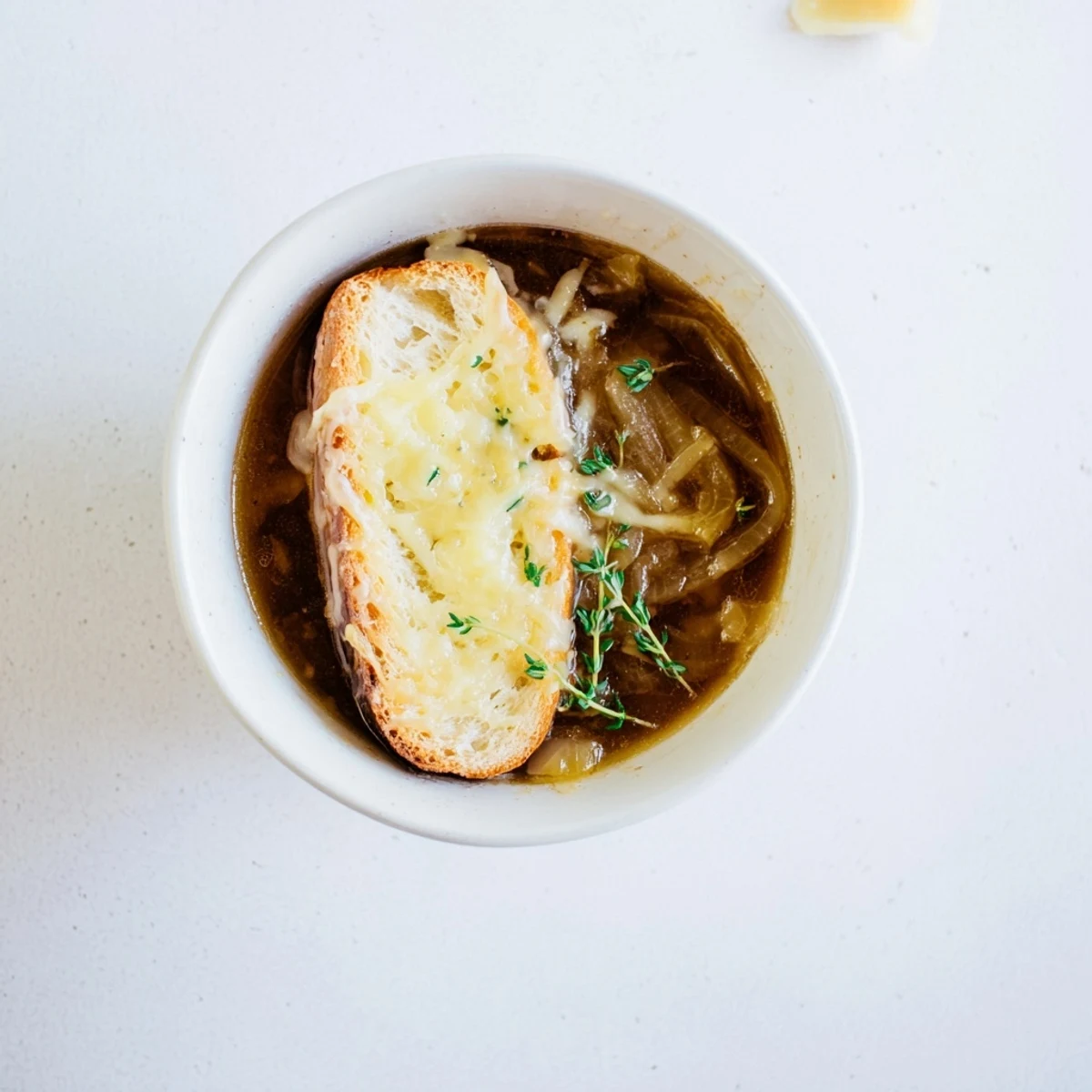
 This traditional French bistro classic transforms simple yellow onions into something extraordinary through slow caramelization. The onions cook down for nearly an hour until they reach a deep mahogany color, developing natural sweetness and complexity. A splash of white wine deglazes the pot, followed by seasoned broth that simmers to concentrate flavors. The finishing touch—a thick slice of toasted baguette blanketed in grated Gruyère—gets broiled until bubbly and golden. The result is a deeply satisfying bowl where sweet, savory, and creamy elements harmonize perfectly. Serve with crusty bread for soaking up every drop.
The kitchen was dark except for the stove light, that golden glow that makes everything feel secret and special. My grandmother stood over a massive pot, wooden spoon in hand, coaxing onions into something magical. Forty minutes she stirred, telling me patience was the difference between soup and dinner and something you remember forever. Now I understand why she bothered.
Last winter during a snowstorm, I made eight bowls for neighbors who had been shoveling driveways all day. They showed up on my porch with empty bowls and requests for the recipe, which is basically the highest compliment a soup can get. One of them texted me the next day asking if I had hidden any secret ingredients.
Ingredients
- Yellow onions: The sweetness develops over time, so do not rush the caramelization step because that is where all the flavor lives
- Unsalted butter and olive oil: Butter gives richness while the oil prevents burning, a classic French technique worth learning
- Dry white wine: Use something you would actually drink because it reduces down and concentrates the flavor
- Beef or vegetable broth: Low sodium is crucial since the soup reduces and you want control over the final salt level
- Thyme and bay leaf: Fresh herbs make a noticeable difference here, but dried thyme works in a pinch
- Gruyère cheese: This nutty, melting cheese is nonnegotiable for the authentic bistro experience
Instructions
- Caramelize the onions:
- Melt butter with olive oil in a heavy pot over medium heat, add sliced onions and a pinch of sugar, then cook for 30 to 40 minutes while stirring frequently until they turn deep golden brown.
- Build the flavor base:
- Stir in minced garlic for one minute, then pour in white wine and scrape up all those browned bits from the bottom, letting it simmer until mostly evaporated.
- Simmer the soup:
- Add broth, thyme, bay leaf, Worcestershire, and brandy if using, then bring to a boil before reducing heat to simmer uncovered for 25 to 30 minutes.
- Prepare the croûtes:
- While soup simmers, broil bread slices on both sides until golden and crispy, which will help them hold up when floating on top.
- Finish and serve:
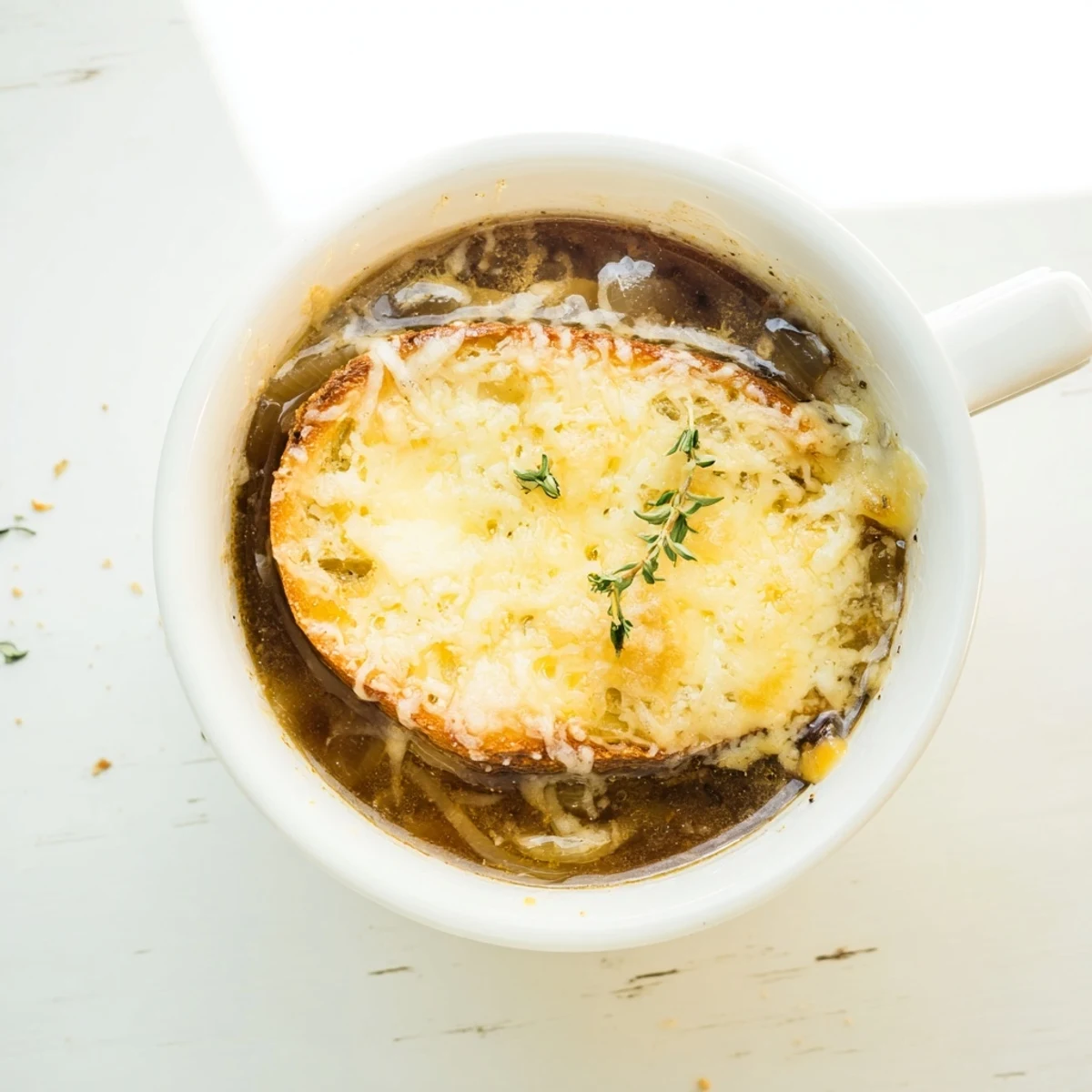
- Ladle hot soup into oven safe bowls, top with toasted bread and mounds of grated cheese, then broil until bubbly and lightly browned.
 Pin It
 My friend Julie cried the first time she tasted this, said it reminded her of her semester in Paris and a tiny bistro near the Sorbonne. Food does that sometimes, reaches past your stomach straight into memory lane without asking permission first.
The Bread Matters More Than You Think
Stale bread actually works better than fresh because it holds up better under the broiler and does not get soggy as quickly. I slice a baguette the day before and leave it out on the counter, which feels almost too simple but makes a huge difference in texture.
Worth The Wait
That forty minute onion time is not negotiable, not if you want that deep, dark, intensely savory flavor that makes French onion soup legendary. I usually pour myself a glass of the same wine I am cooking with and just enjoy the process.
Make It Yours
Sometimes I add a splash of balsamic vinegar right at the end for extra depth, or grate a little Parmesan into the cheese mix for saltiness. The soup freezes beautifully without the bread and cheese, so I often double the onion batch and save half for a rainy day.
- Serve with a simple green salad dressed with vinaigrette to cut through the richness
- The soup actually tastes better the next day, so make it ahead if you can
- Keep extra cheese on hand because everyone always wants more on top
 Pin It
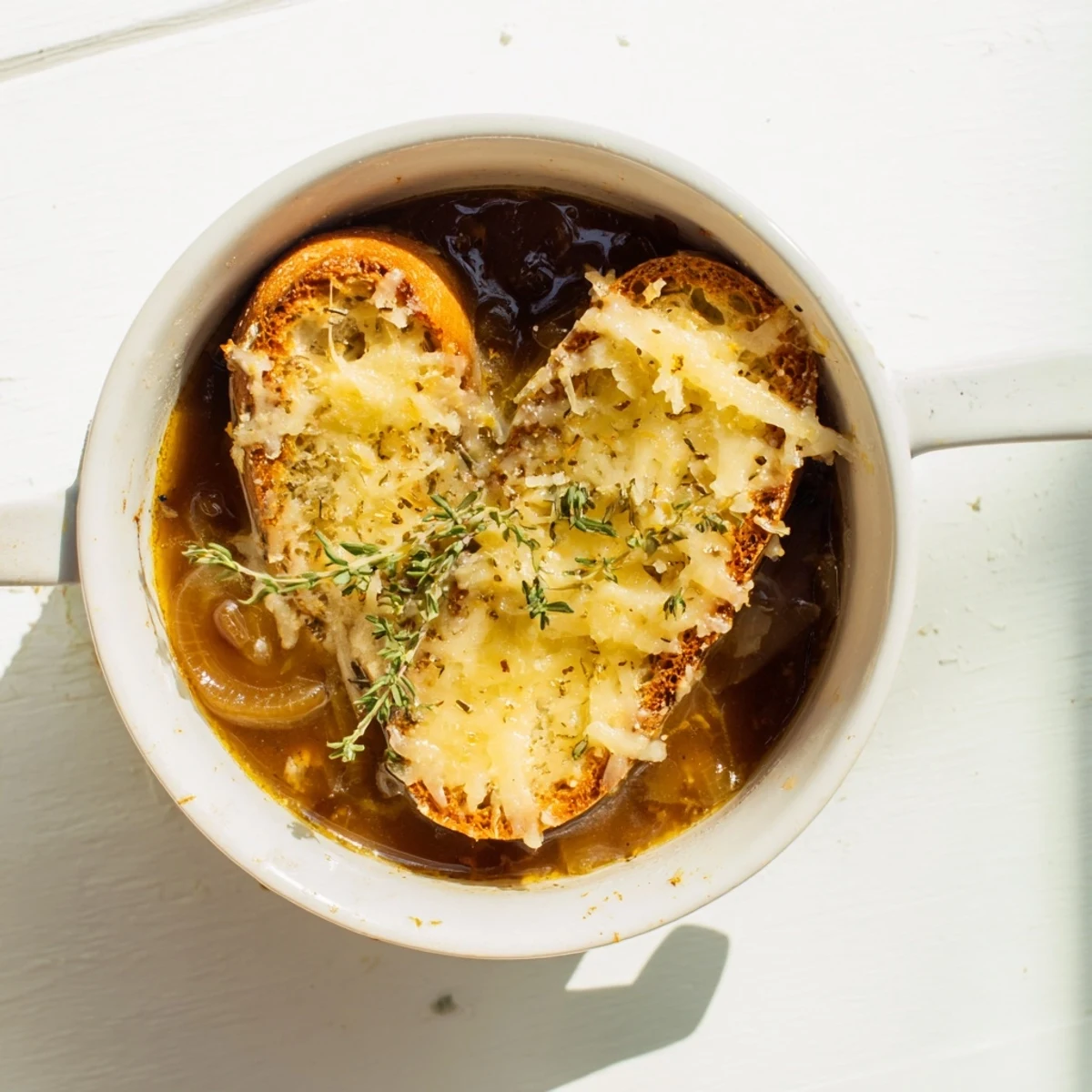
 There is something deeply satisfying about a soup that requires this much patience and care, a reminder that good things cannot be rushed. Cheers to the moments worth waiting for.
Recipe Questions & Answers
- → Why does caramelizing onions take so long?
-
Proper caramelization requires patience—onions need 30–40 minutes over medium heat to develop their deep golden color and natural sweetness. Rushing this step means missing the complex flavor foundation that makes this dish exceptional.
- → What cheese works best for the topping?
-
Gruyère is the traditional choice for its nutty flavor and excellent melting properties. Comté, Emmental, or Swiss cheese make fine substitutes. Avoid pre-shredded cheese, as anti-caking agents prevent smooth melting.
- → Can I make this ahead of time?
-
The base actually improves after resting in the refrigerator for 1–2 days, allowing flavors to meld. Store the soup and toasted bread separately, then add fresh cheese and broil just before serving.
- → What's the purpose of adding sugar?
-
A pinch of sugar helps jumpstart caramelization, especially if your onions aren't naturally sweet. It's optional but useful when onions lack sufficient natural sugars to brown properly.
- → Can I freeze this soup?
-
The onion base freezes beautifully for up to 3 months. Thaw overnight in the refrigerator, reheat gently, and add the bread and cheese topping fresh before serving for the best texture and flavor.