
 Pin It
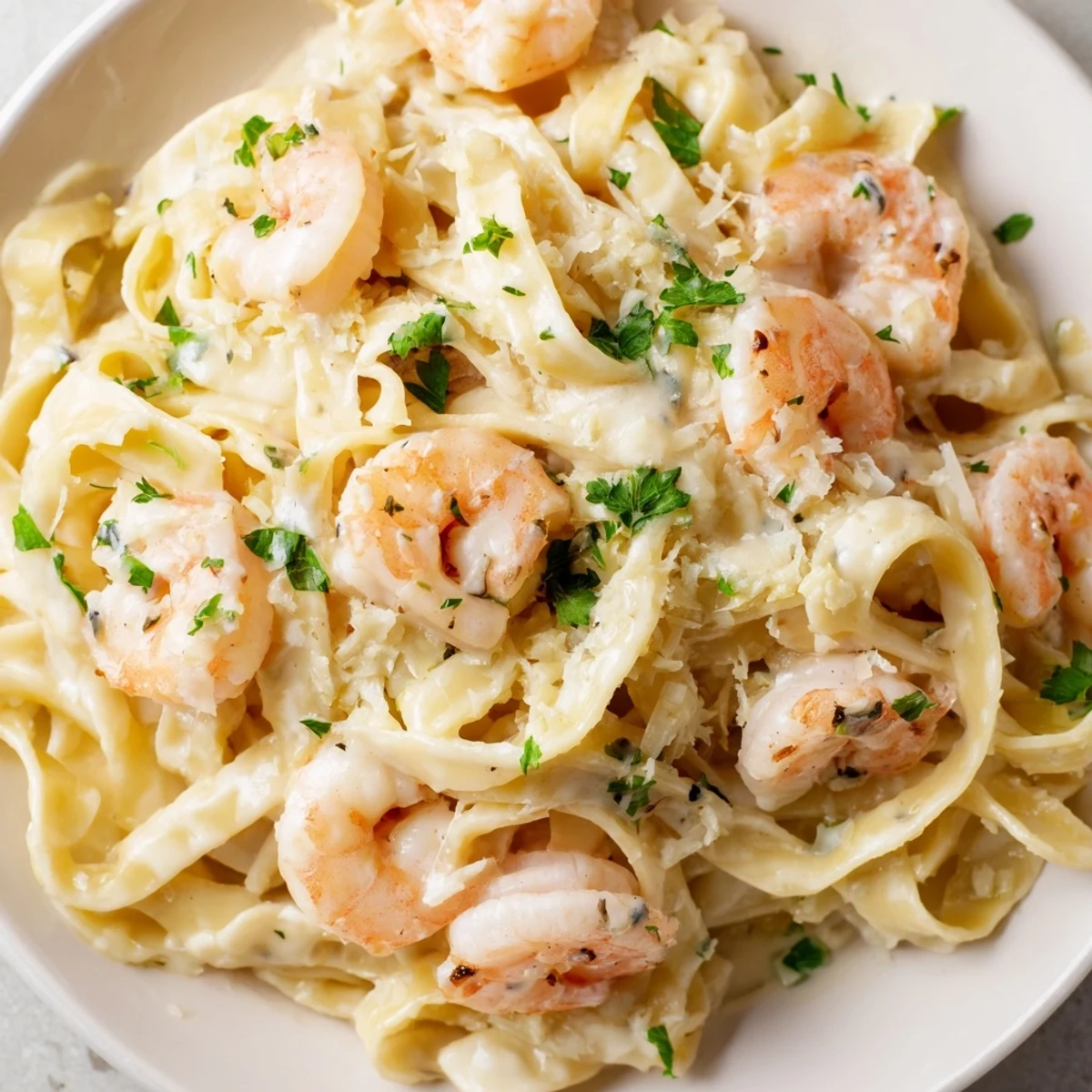
 This creamy pasta dish brings together succulent shrimp and tender fettuccine in a velvety Parmesan-garlic sauce. The beauty lies in cooking everything together—pasta, seafood, and sauce—in one skillet, allowing the starch from the noodles to naturally thicken the cream mixture. Ready in just 30 minutes, this Italian-American favorite delivers restaurant-quality results with surprisingly little effort. The technique involves briefly searing the shrimp, then simmering the dry pasta directly in the creamy broth until al dente, before combining everything into a luscious, cohesive dish.
The first time I made this shrimp Alfredo, my roommate kept wandering into the kitchen, drawn by the garlic butter hitting the hot pan. We ended up eating straight from the skillet, standing at the counter, too impatient to bother with plates. That night became our Friday tradition—something about the richness feels like a reward for making it through the week.
Last winter, my sister came over exhausted from a new job, and I made this without saying a word. She took one bite and actually teared up—sometimes comfort food isn't about the recipe itself but the five minutes someone stood stirring cream and garlic just for you.
Ingredients
- 1 lb large shrimp: Peeled and deveined saves precious time, and bigger shrimp feel more luxurious in every forkful
- 12 oz dry fettuccine: The flat surface catches sauce beautifully, and traditional length noodles twirl perfectly on your fork
- 2 tbsp unsalted butter: Start with cold butter melting slowly—it creates a silkier foundation than tossing it in all at once
- 1 cup heavy cream: The fat content matters here, so resist the urge to substitute unless you have to
- 1 cup freshly grated Parmesan cheese: Pre-grated has anti-caking agents that make sauce grainy, so buy a wedge and grate it yourself
- 1/2 cup whole milk: This slightly dilutes the heavy cream without sacrificing richness
- 4 garlic cloves: Freshly minced releases more oils than pre-minced jar versions
- 1 small shallot: Milder than onion, adding subtle sweetness without overpowering the shrimp
- 2 1/2 cups low-sodium chicken broth: Low-sodium lets you control the final seasoning since broth reduces as pasta cooks
- 1/2 tsp salt and 1/4 tsp black pepper: Adjust these at the end since the broth and cheese already bring saltiness
- 1/4 tsp crushed red pepper flakes: Optional, but that tiny warmth cuts through the cream gorgeously
- 2 tbsp chopped fresh parsley: Adds bright color and a fresh finish against all that richness
Instructions
- Melt the butter:
- In a large, deep skillet over medium heat, let the butter foam and bubble as you sauté the shallot and garlic for 1-2 minutes until fragrant but not browned—browned garlic turns bitter quickly.
- Cook the shrimp:
- Season shrimp with salt and pepper, add to the pan, and cook for 2 minutes per side until just pink and opaque. Remove them immediately so they do not overcook later.
- Build the sauce base:
- Pour in chicken broth, heavy cream, and milk, stirring to combine. Bring everything to a gentle simmer—you should see small bubbles forming around the edges.
- Cook the pasta:
- Add dry fettuccine directly into the liquid, stirring to submerge the noodles. Cook uncovered for 10-12 minutes, stirring frequently to prevent sticking, until pasta is al dente and most liquid has absorbed.
- Make it creamy:
- Lower the heat and stir in Parmesan cheese and red pepper flakes until the cheese melts completely and the sauce coats the back of a spoon.
- Bring it together:
- Return the shrimp and any juices to the pan. Toss everything gently for 1-2 minutes until heated through and combined.
- Finish and serve:
- Taste and adjust salt or pepper if needed, then sprinkle with fresh parsley right before serving.
 Pin It
 This recipe turned into my go-to dinner for celebrating small wins—a promotion, a finished project, or just making it through a particularly long Tuesday. Food this good deserves its own moment.
Making It Lighter
Half-and-half works surprisingly well if you want something less indulgent. The sauce will be slightly thinner but still satisfying. I have also added baby spinach in the last two minutes—it wilts beautifully into the cream and you barely taste it but feel virtuous about eating greens.
Wine Pairing Magic
A chilled Pinot Grigio cuts through the richness without competing with the shrimp. Pour a glass for cooking and another for serving—the acidity balances all that cream perfectly.
Serving Suggestions
Garlic bread feels almost mandatory here, even though it is overkill. A crisp green salad with lemon vinaigrette helps refresh your palate between bites.
- Warm your serving bowls slightly so the pasta stays hot longer
- Extra Parmesan at the table is never a bad idea
- This reheats surprisingly well for lunch the next day
 Pin It
 Some recipes are about precision, but this one is about patience and presence. Enjoy every bite.
Recipe Questions & Answers
- → Can I use pre-cooked shrimp instead of raw?
-
Yes, though the texture will differ. Add pre-cooked shrimp during the final 2 minutes of heating just to warm through. Raw shrimp provides better flavor integration as they cook in the butter and release their natural juices back into the sauce.
- → What pasta shapes work best for this method?
-
Fettuccine, linguine, or tagliatelle are ideal as their flat surface allows the creamy sauce to cling beautifully. Spaghetti works, while penne or rigatoni may require slightly more liquid and longer cooking time to reach tenderness.
- → How do I prevent the sauce from separating?
-
Keep heat at a gentle simmer once pasta is added—avoid boiling vigorously. When adding Parmesan, remove the pan from heat briefly and stir constantly until melted. This prevents the cheese from clumping or the dairy from breaking.
- → Can I make this lighter without sacrificing creaminess?
-
Substitute half-and-half for heavy cream and increase the Parmesan slightly. The cheese provides richness that compensates for reduced fat content. You can also use whole milk with a tablespoon of flour whisked in to thicken.
- → Why cook pasta directly in the sauce?
-
This technique allows the pasta to release starch into the cooking liquid, naturally thickening the creamy broth into a velvety sauce that coats each strand perfectly. It also infuses the noodles with flavor from the inside out.
- → What vegetables can I add without altering the cooking time?
-
Baby spinach or frozen peas can be stirred in during the last 2 minutes. For heartier vegetables like mushrooms or broccoli, sauté them with the shallots and garlic before adding the liquids to ensure they're fully tender.