
 Pin It
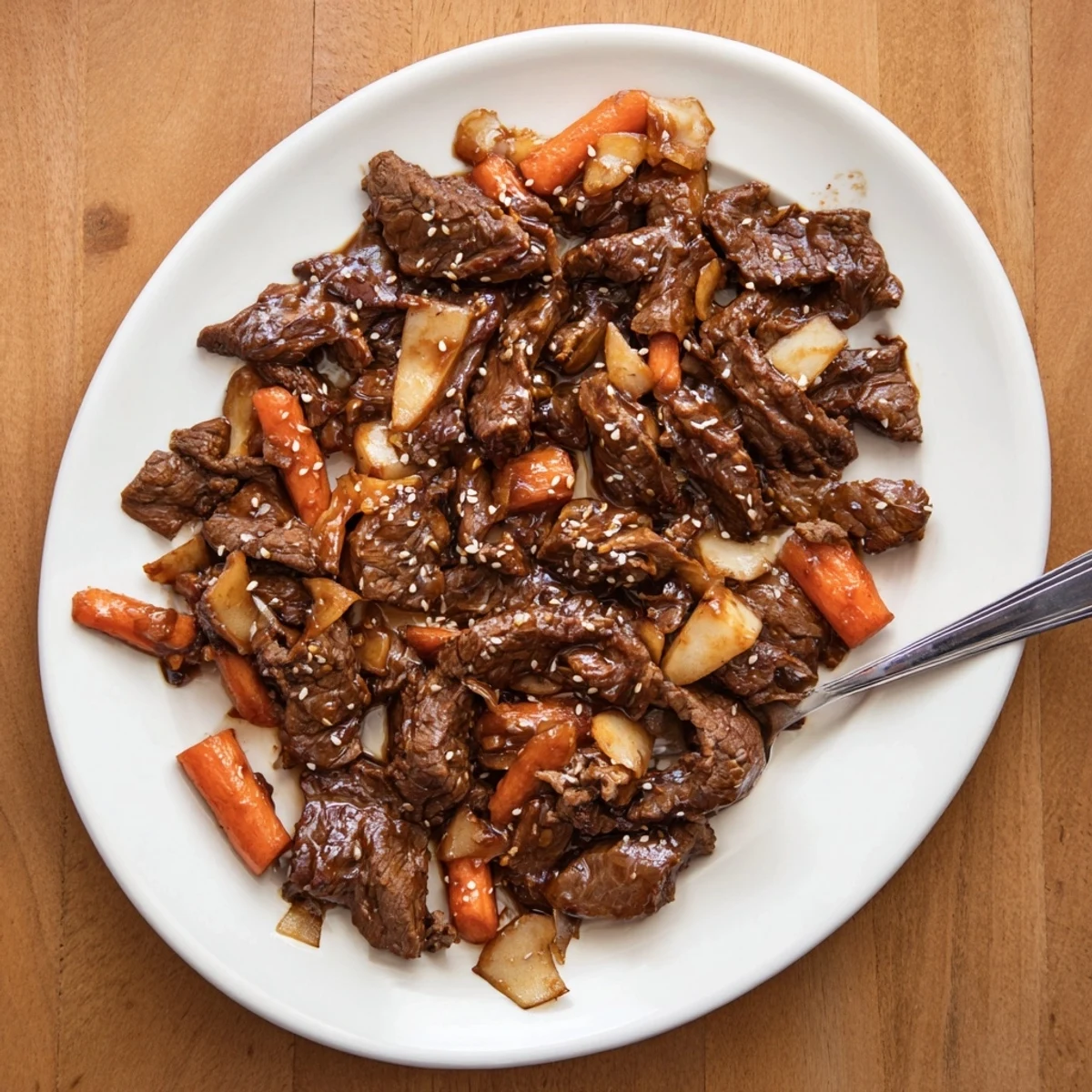
 This Korean-inspired pot roast transforms a humble beef chuck into meltingly tender meat through slow braising. The sauce combines soy sauce, gochujang, sesame oil, fresh ginger, and garlic with brown sugar and honey for that perfect balance of savory and sweet that defines Korean cuisine.
Root vegetables like carrots and daikon radish absorb the flavorful braising liquid, becoming tender and infused with the aromatic sauce. After three hours in the oven, the beef shreds easily and the sauce reduces into a glossy coating.
Serve over steamed rice with extra scallions and sesame seeds, alongside kimchi for a complete meal. The dish reheats beautifully and tastes even better the next day.
The first time I made this Korean-style pot roast, my kitchen filled with this incredible aroma of sesame and ginger that had my roommate wandering in from the living room three separate times to ask if it was done yet. We ended up eating it straight from the Dutch oven, standing around the stove because nobody could wait another second for plating. Now it's become my go-to for Sunday supper when I want something that feels comforting but still exciting.
Last winter, I made this for a small dinner party when my friend Sarah was going through a tough breakup. She took one bite, closed her eyes, and said this was exactly what her heart needed. We spent three hours at the table, talking and eating, and the roast just kept getting more tender as it sat in that gorgeous sauce.
Ingredients
- 1 (3–3.5 lb / 1.4–1.6 kg) beef chuck roast, trimmed: Chuck roast has the perfect amount of marbling to break down into meltingly tender strands after hours of slow cooking
- 1 tsp kosher salt: Even though the sauce is salty, seasoning the meat first helps build layers of flavor
- ½ tsp black pepper: Freshly cracked gives you the best aromatic kick
- ½ cup low-sodium soy sauce: Low-sodium lets you control the salt level while still getting that deep umami base
- ½ cup beef broth: Use a good quality broth, preferably homemade or reduced-sodium store-bought
- ¼ cup brown sugar: Dark brown sugar adds a subtle molasses note that pairs beautifully with gochujang
- 2 tbsp rice vinegar: Cuts through the richness and brightens everything up
- 2 tbsp gochujang (Korean chili paste): This is the secret ingredient that gives the sauce its signature depth and gentle heat
- 2 tbsp sesame oil: Toasted sesame oil adds that unmistakable Korean aroma we all love
- 1 tbsp honey: Helps create that lacquered finish on the beef and balances the soy
- 2 tbsp fresh ginger, finely grated: Use a microplane if you have one to get a smooth paste without fibrous strings
- 6 cloves garlic, minced: Do not skimp here, garlic is non-negotiable for this flavor profile
- 1 large yellow onion, sliced: The onions practically melt into the sauce and become part of the gravy
- 3 medium carrots, peeled and cut into chunks: They absorb all that sauce and become impossibly sweet
- 2 cups daikon radish, peeled and cut into chunks: If you can't find daikon, turnips or potatoes work beautifully
- 3 scallions, cut into 2-inch pieces: They add a mild onion flavor and look beautiful in the finished dish
- 1 tbsp toasted sesame seeds: Toast them in a dry pan for 2 minutes to bring out their nutty flavor
- 2 scallions, thinly sliced: Fresh garnish adds a pop of color and bright flavor against the rich sauce
Instructions
- Preheat your oven:
- Set it to 325°F (165°C) so it's ready when your pot is prepped
- Season the beef:
- Pat the roast thoroughly dry with paper towels, then season all sides with the kosher salt and black pepper
- Sear the meat:
- Heat 1 tbsp oil in a large Dutch oven over medium-high heat, then sear the roast until deep golden brown, about 3–4 minutes per side, removing and setting aside when done
- Soften the aromatics:
- Add the sliced onion to the same pot and sauté for 2–3 minutes until it starts to soften and smell amazing
- Make the sauce:
- Whisk together the soy sauce, beef broth, brown sugar, rice vinegar, gochujang, sesame oil, honey, ginger, and garlic in a bowl until smooth
- Assemble everything:
- Return the roast to the pot, scatter the carrots, daikon, and scallions around the meat, then pour that gorgeous sauce over everything
- Get it bubbling:
- Bring the liquid to a simmer on the stovetop, then cover the pot and transfer to your preheated oven
- Let it work its magic:
- Roast for 3 hours, or until the beef is falling-apart tender and easily shreds with a fork
- Finish with flair:
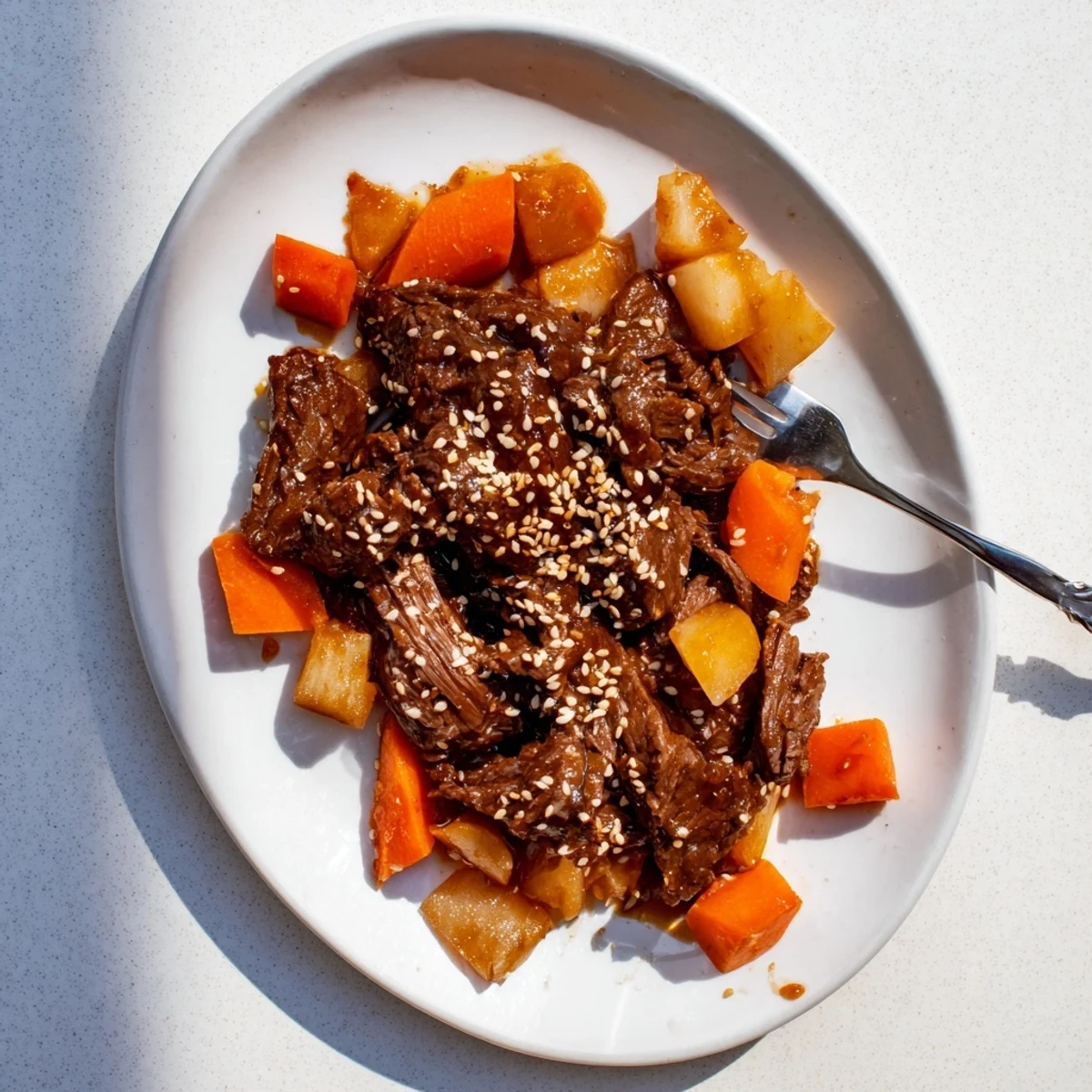
- Remove the roast and vegetables to a serving platter, skim excess fat from the sauce (reduce it on the stove if you want it thicker), then slice or shred the beef and spoon sauce and vegetables over the top before garnishing with sesame seeds and sliced scallions
 Pin It
 This recipe became my go-to comfort food during a particularly rainy spring when nothing seemed to go right. Something about the way the house smells while it cooks makes everything feel a little more manageable.
Making It Your Own
I've learned that this recipe is incredibly forgiving. Last month I was short on gochujang so I added a tablespoon of miso paste and a pinch of red pepper flakes, and honestly, it might have been even better.
Serving Suggestions That Work
While steamed rice is classic, I've discovered this pot roast creates incredible sandwiches the next day. Pile that shredded beef and sauce onto a toasted brioche bun with some quick-pickled cucumbers and thank me later.
Timing It Right
The best thing about this recipe is how hands-off it is once it goes into the oven. You can prep everything in the morning, pop it in, and have the rest of the day free while it transforms into something extraordinary.
- Set a timer to check it after 2.5 hours if you're working with a smaller roast
- If the sauce reduces too much, add a splash of water or broth
- The roast will stay warm and tender for at least an hour if you need to time dinner around someone's schedule
 Pin It
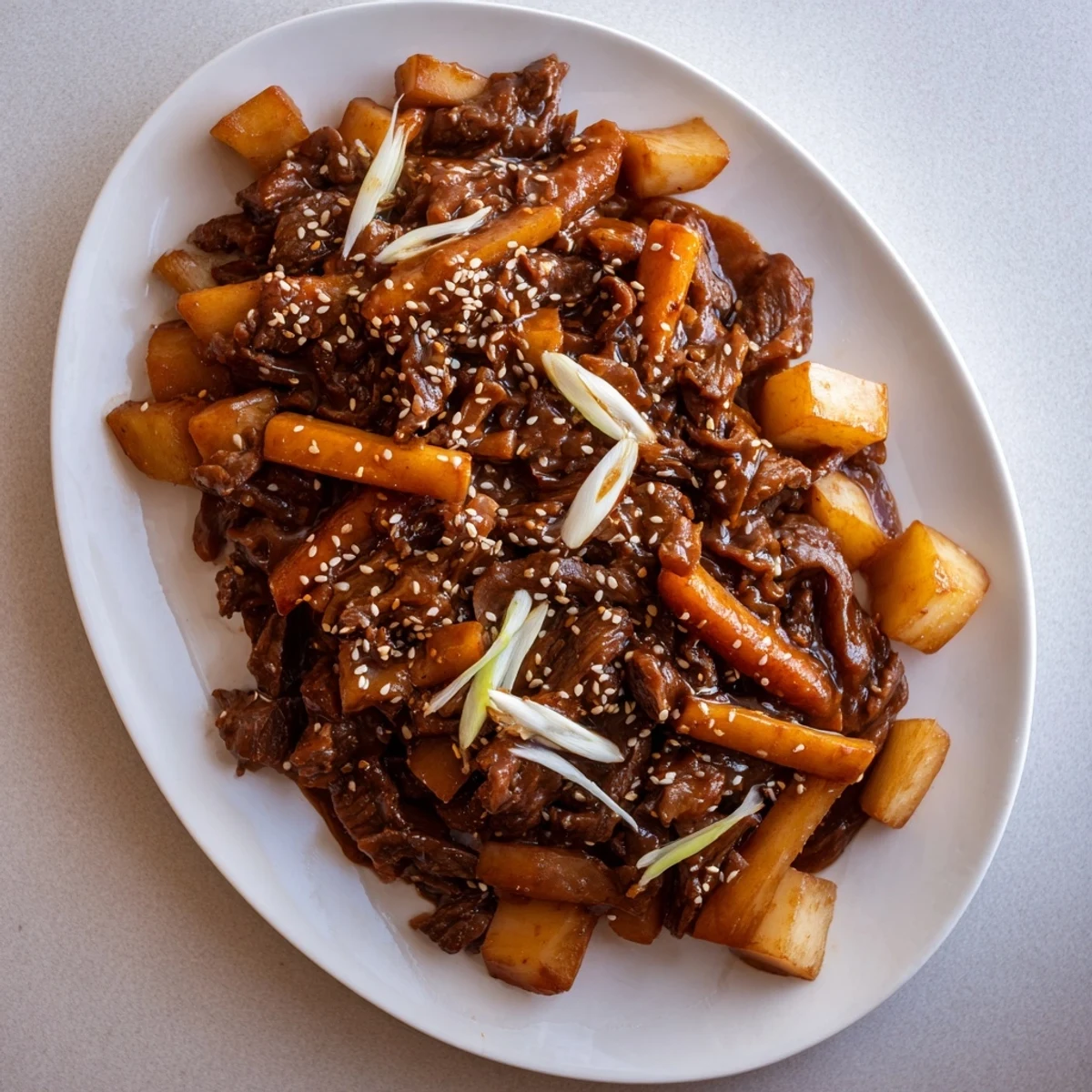
 There's something deeply satisfying about a recipe that rewards patience with such incredible flavor. This Korean-style pot roast has become one of those meals I make when I want to feed people something that feels like a hug in food form.
Recipe Questions & Answers
- → What cut of beef works best for Korean pot roast?
-
Chuck roast is ideal because it becomes meltingly tender after long braising. The connective tissue breaks down during slow cooking, creating succulent, shredable meat. Look for a well-marbled piece with good fat content.
- → Can I make this in a slow cooker instead of the oven?
-
Absolutely. Sear the beef first, then transfer everything to your slow cooker. Cook on low for 7-8 hours or high for 4-5 hours until tender. You may need to reduce the sauce on the stove afterward for thicker consistency.
- → What can I substitute for gochujang?
-
Mix red pepper flakes with a bit of miso paste or tomato paste for similar depth. Sriracha works but lacks the fermented complexity. For authentic flavor, seek gochujang at Asian markets—its earthy heat is irreplaceable.
- → Is daikon radish necessary?
-
Daikon adds sweetness and absorbs the sauce beautifully, but it's not essential. Substitute with turnips, parsnips, or potatoes. Regular radishes work in a pinch but cook much faster, so add them during the last hour.
- → How spicy is this dish?
-
The gochujang provides mild to medium heat depending on the brand. It's more about depth than burn. For more spice, add chili flakes or extra gochujang. For sensitive palates, reduce gochujang to one tablespoon.
- → Can I prepare this ahead?
-
This actually improves overnight. Make it up to three days ahead and refrigerate—the fat solidifies for easy removal, and flavors deepen. Recover gently on the stove, adding splashes of broth if needed.