
 Pin It
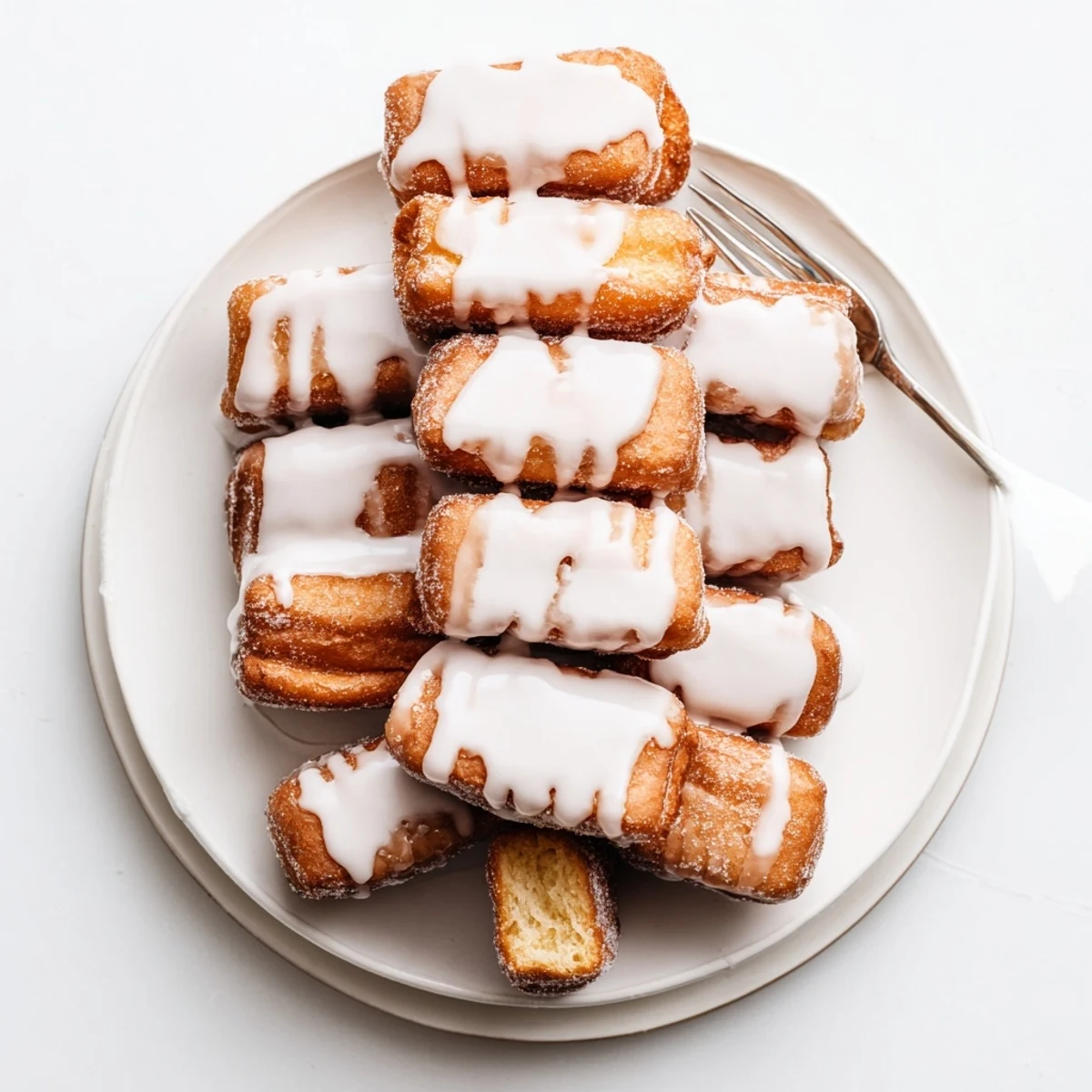
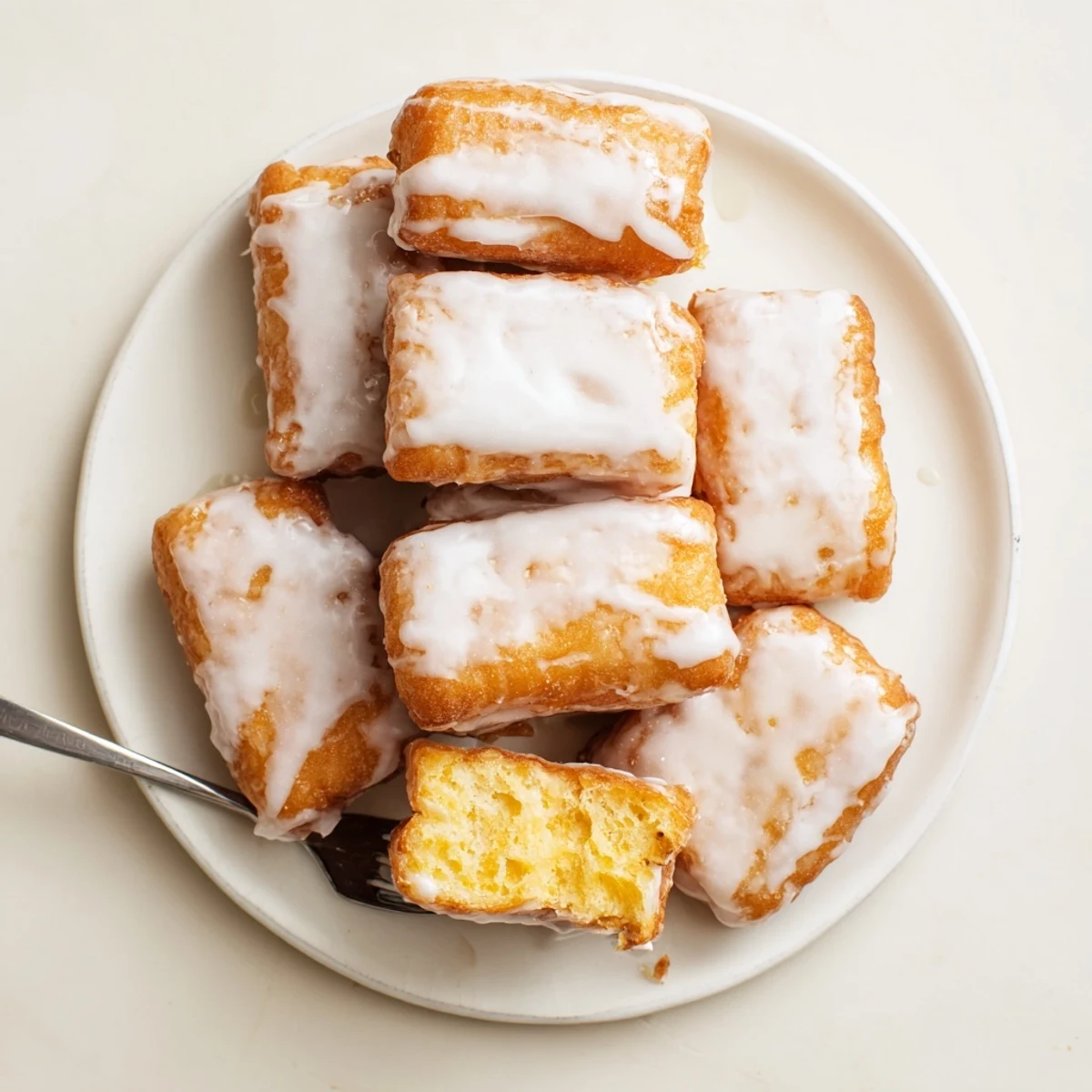
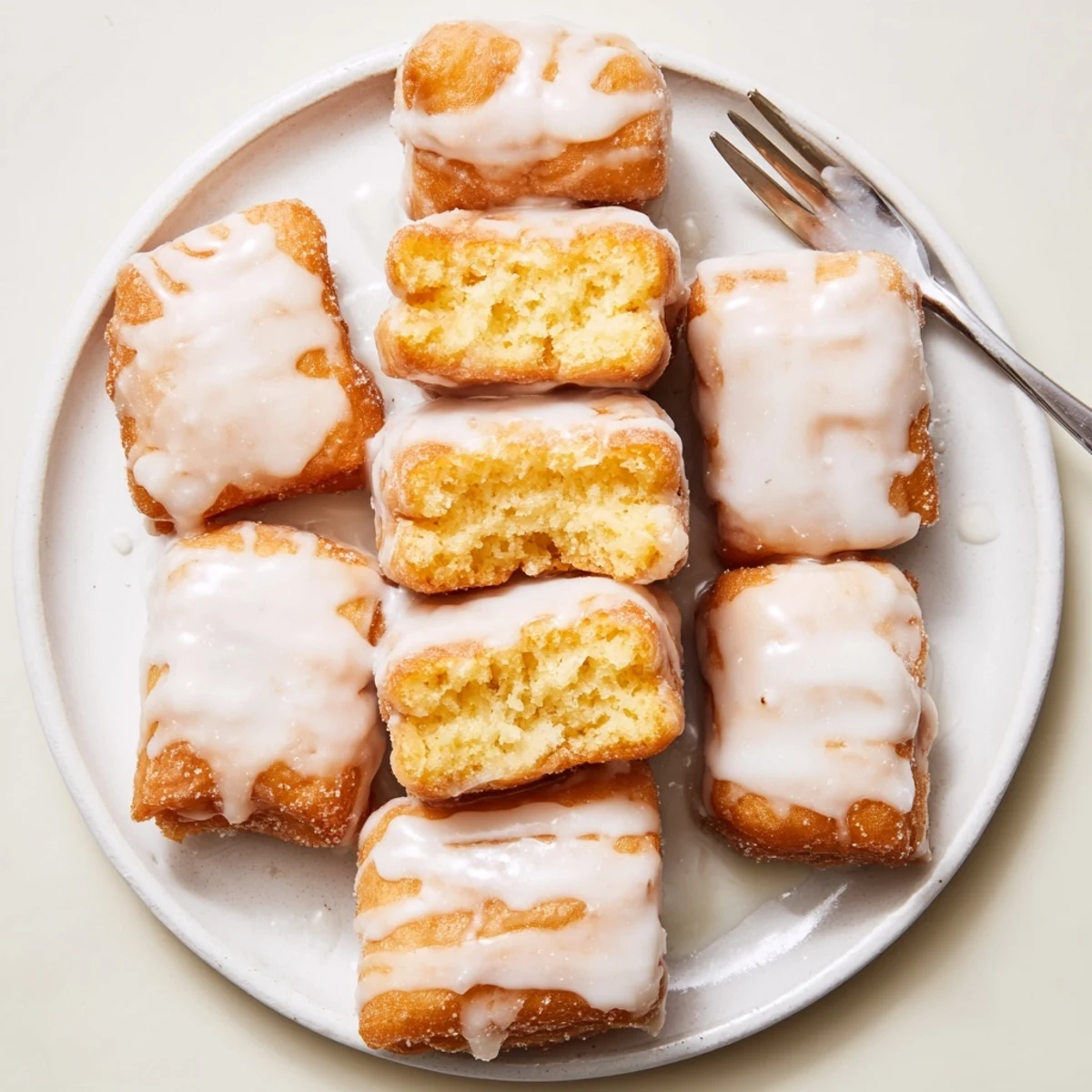
 These delightful New Orleans-style beignet squares feature a remarkably tender crumb thanks to the addition of tangy buttermilk in the dough. After frying until perfectly golden and puffed, each square receives a generous coating of sweet vanilla glaze while still warm. The result is an irresistible combination of crispy exterior, pillowy soft interior, and sweet finishing touch that makes them ideal for leisurely weekend breakfasts or afternoon treats.
The air in our tiny apartment kitchen was thick with the scent of frying dough and laughter. My roommate had just returned from a weekend in New Orleans, still buzzing about beignets at Café du Monde, and decided we needed to recreate that magic ourselves. We made an absolute mess, flour dusting every surface like snow, but when that first batch hit the hot oil and puffed up into golden pillows, I knew some kitchen disasters are worth it.
Last winter, during that week everything felt gray and heavy, I made a double batch for neighbors. Seeing steam curl off the brown paper bags, watching small children discover powdered sugar on their noses for the first time, I remembered why we bother with yeast and rising time. Food becomes connection, becomes comfort, becomes something that stitches a community together, one square at a time.
Ingredients
- All-purpose flour: The backbone of your dough, giving structure to all that fluffy tenderness
- Active dry yeast: The magic worker that creates those signature puffy pockets inside each square
- Buttermilk and whole milk: This tangy duo keeps the dough tender while adding subtle depth
- Unsalted butter, melted: Adds richness and helps create that tender crumb we are chasing
- Vegetable oil: Neutral frying oil that lets the beignets shine without competing flavors
- Powdered sugar, milk, and vanilla: The holy trinity of a glaze that transforms good into unforgettable
Instructions
- Wake up the yeast:
- Whisk flour, yeast, sugar, and salt in your largest bowl, giving everything a chance to mingle and get friendly
- Mix the wet team:
- In another bowl, beat together buttermilk, milk, eggs, and that beautiful melted butter until smooth
- Bring them together:
- Create a well in the dry ingredients, pour in the wet mixture, and stir until you have a shaggy, willing dough
- Put some muscle into it:
- Knead on a floured surface for 6 to 8 minutes until the dough feels smooth and elastic, almost alive under your hands
- Let it rest and rise:
- Place dough in an oiled bowl, cover it up, and let it do its thing for 60 to 75 minutes until it has doubled in size
- Shape the squares:
- Punch down the dough gently, roll to half-inch thickness, and cut into 2-inch squares with a sharp knife or pastry cutter
- Second rest:
- Let those squares hang out on a parchment-lined tray for 20 minutes, relaxing before their hot bath
- The frying moment:
- Heat oil to 350°F and fry beignets for 1 to 2 minutes per side until they are puffed and golden brown all over
- Glaze while warm:
- Whisk powdered sugar, milk, and vanilla until smooth, then dip each warm square and let the excess drip away
 Pin It
 My sister called them breakfast clouds, which felt exactly right the morning I made them for her birthday. There is something纯粹 joyful about watching people bite into something so simple, so unpretentious, and see their eyes light up with genuine pleasure. These squares have become my shorthand for love.
The Secret to Perfect Rise
Temperature matters more than most recipes admit. Your liquids should feel like bathwater warmth, not hot enough to kill the yeast but cozy enough to wake it up properly. A cold kitchen can slow everything down, so I sometimes preheat my oven for just a minute, turn it off, and let the dough rise in that gentle warmth.
Frying Without Fear
Deep frying intimidates everyone until they have done it a few times. The key is maintaining that oil temperature and not overcrowding the pot, which drops the heat dramatically. I use a thermometer clipped to the side of my Dutch oven, checking it between batches like a hawk watching its territory.
Make Ahead Magic
You can actually cut the squares the night before, place them on a parchment-lined tray, cover tightly, and refrigerate overnight. In the morning, let them come to room temperature while the oil heats up, then proceed with frying. Fresh beignets before anyone has had their coffee, that is the kind of morning miracle worth planning for.
- Sift that powdered sugar twice to avoid any lumpy surprises in your glaze
- Line your cooling rack with parchment for easier cleanup later
- These are best eaten within hours, though I have never seen them last that long
 Pin It
 Some mornings call for something special, something that says you deserve this moment of pure indulgence. These beignets are my answer to the days that need a little extra sweetness.
Recipe Questions & Answers
- → What makes these beignets different from traditional ones?
-
The addition of buttermilk creates a more tender crumb and subtle tanginess that balances the sweetness of the glaze perfectly.
- → Can I make the dough ahead of time?
-
Yes, prepare the dough and refrigerate it after the first rise. Let it come to room temperature before rolling and frying.
- → What's the best temperature for frying?
-
Maintain oil at 350°F (175°C) for optimal results. Too hot will burn the exterior while leaving the interior raw.
- → How long do these stay fresh?
-
Best enjoyed within 4-6 hours of making. Store in an airtight container at room temperature, though they may lose some crispness.
- → Can I freeze uncooked beignet squares?
-
Yes, cut the squares after the first rise and freeze on a tray. Transfer to a bag and fry directly from frozen, adding 1-2 minutes to cooking time.