
 Pin It
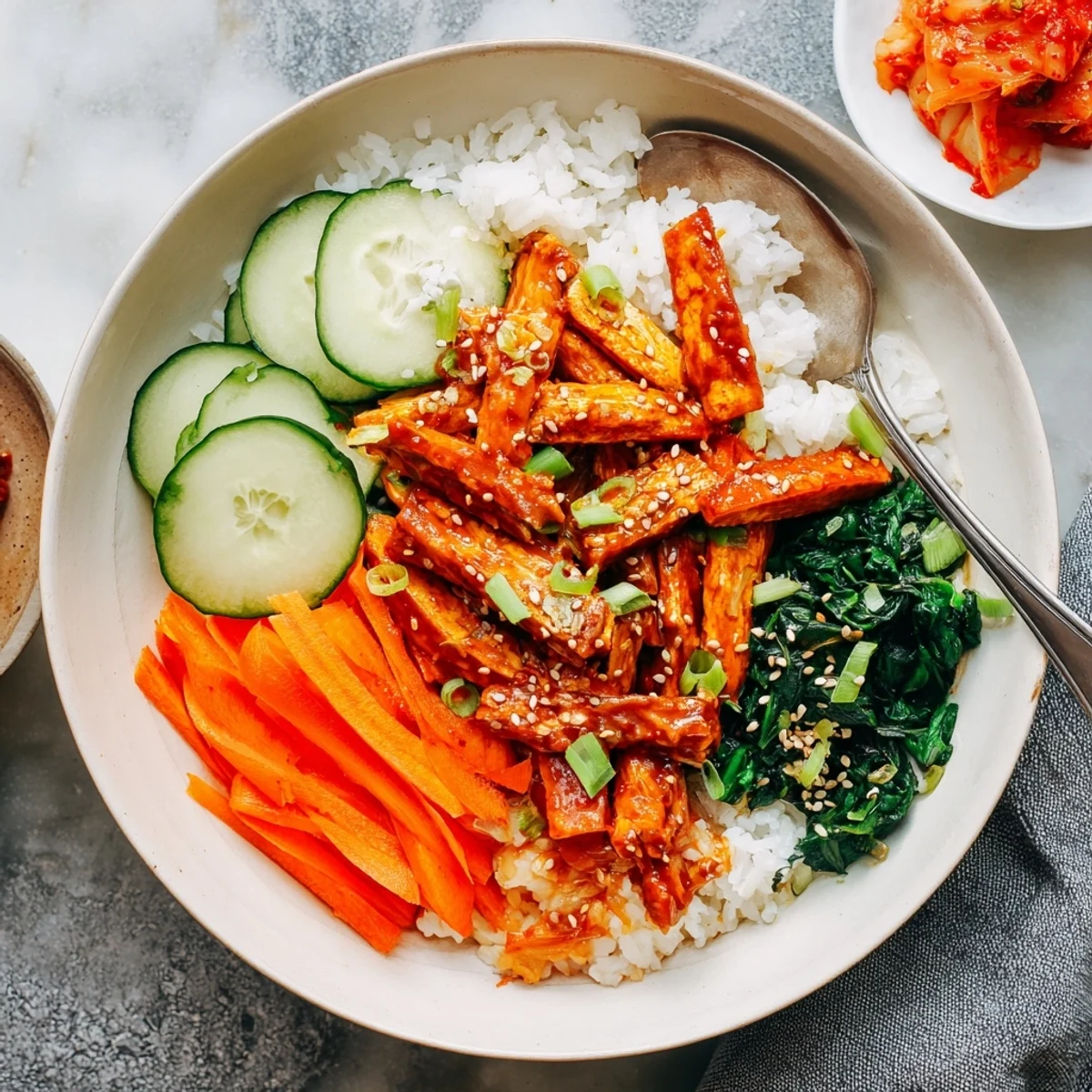
 This Korean-inspired bowl delivers serious comfort with minimal effort. Extra-firm tofu gets shredded, coated in cornstarch, and baked until deeply crispy, then tossed in a homemade bulgogi sauce made from soy sauce, brown sugar, mirin, sesame oil, garlic, and ginger. The whole thing comes together over warm short-grain rice with julienned carrot, sliced cucumber, sautéed spinach, and optional kimchi for extra tang. Ready in 40 minutes, it's naturally vegan, packed with protein, and endlessly customizable—swap in brown rice, add mushrooms or avocado, or keep it gluten-free with tamari.
My apartment smelled like a Korean restaurant that night and my roommate poked her head in asking what on earth I was making. I had just discovered that shredding tofu instead of cubing it completely changes the game, creating all these little crispy edges that soak up sauce like tiny sponges. The bulgogi glaze was bubbling in the pan and I knew right then this bowl was going to be a regular thing.
I first made this for a friend who swore she did not like tofu and she went back for seconds without a word. Watching someone quietly change their mind about an ingredient while eating is one of the best feelings in cooking. She texted me the recipe the next morning.
Ingredients
- Extra-firm tofu (400 g): Pressing this properly is nonnegotiable because any leftover water will steam instead of crisp, and I learned that the hard way more than once
- Cornstarch (2 tbsp): This creates the thin crust that makes each shredded piece shatter when you bite into it
- Neutral oil (1 tbsp): Sunflower or canola works best because it will not compete with the sesame oil in the sauce
- Soy sauce (4 tbsp): The salty backbone of the whole bowl, use a good quality one and taste it first
- Brown sugar (2 tbsp): This caramelizes slightly when it hits the hot tofu and gives the sauce that classic bulgogi sweetness
- Mirin (1 tbsp): Adds a gentle rice wine sweetness that rounds out the soy, rice vinegar works in a pinch
- Sesame oil (1 tbsp): Toasted sesame oil is what makes it smell like it came from a real kitchen, do not skip this
- Garlic (2 cloves, minced): Fresh garlic only here, the jarred stuff tastes flat compared to the real thing
- Fresh ginger (1 thumb-sized piece, grated): Use a microplane if you have one so it practically dissolves into the sauce
- Gochujang (1 tbsp): Optional but it adds a fermented depth that sriracha simply cannot replicate
- Toasted sesame seeds (2 tsp): Toasting them yourself in a dry pan for 30 seconds makes a surprising difference
- Green onion (1, finely chopped): Stir half into the sauce and save the rest for garnish so you get that sharp onion bite on top
- Cooked short-grain white rice (500 g): Short-grain rice is sticky and holds the bowl together, brown rice or quinoa work but change the texture
- Carrot (1 medium, julienned): A vegetable peeler makes quick ribbons if you do not feel like julienning by hand
- Cucumber (1 small, thinly sliced): Its cool crunch balances the hot saucy tofu perfectly
- Sautéed spinach (100 g): Blanch it fast, season with salt and a few drops of sesame oil, and it becomes the simplest but most necessary component
- Kimchi (1 tbsp, optional): Even a small amount wakes up the whole bowl with fermented tang
- Fresh red chili (1, thinly sliced): Mostly for looks and a little kick, scatter it on top right before serving
Instructions
- Get the oven hot and ready:
- Preheat to 220°C (425°F) or set a large non-stick skillet over medium-high heat if you prefer pan-frying. A hot oven means the tofu starts crisping immediately instead of steaming.
- Shred and coat the tofu:
- Use your hands or a fork to pull the pressed tofu into bite-sized shreds, then toss with cornstarch until every piece has a light dusty coating. The shreds should look like pulled pork, not crumbles.
- Crisp it up:
- Spread the tofu on a parchment-lined baking tray, drizzle with oil, and bake for 25 to 30 minutes, tossing halfway through, until deeply golden and crispy. If pan-frying, work in batches so the pieces actually brown instead of crowding and steaming.
- Whisk together the bulgogi sauce:
- Combine soy sauce, brown sugar, mirin, sesame oil, garlic, ginger, gochujang, sesame seeds, and half the green onion in a bowl. Stir until the sugar dissolves and everything looks glossy.
- Prep the rice and veggies:
- Divide warm rice among serving bowls. Blanch the spinach for 30 seconds, drain, and season with salt and sesame oil. Julienne the carrot, slice the cucumber, and have all toppings ready to go.
- Toss and assemble:
- The moment the tofu comes out of the oven, toss it directly in the bulgogi sauce so it coats while still hot and crisp. Arrange saucy tofu over the rice, add veggies and kimchi, and finish with sesame seeds, chili slices, and remaining green onion.
 Pin It
 This bowl became my go-to meal on rainy Sundays when I wanted something warm without actually putting in real effort. There is something about arranging all those colorful little piles on top of rice that feels therapeutic, like a tiny edible art project you get to eat afterward.
Getting the Tofu Texture Right
Shredding tofu by hand gives you irregular pieces that crisp up unevenly in the best possible way. Some bits get dark and crunchy while others stay a little chewy, and that mix of textures is what makes each bite interesting. A fork works too but your fingers let you feel when the strands are the right size.
Building a Better Bowl
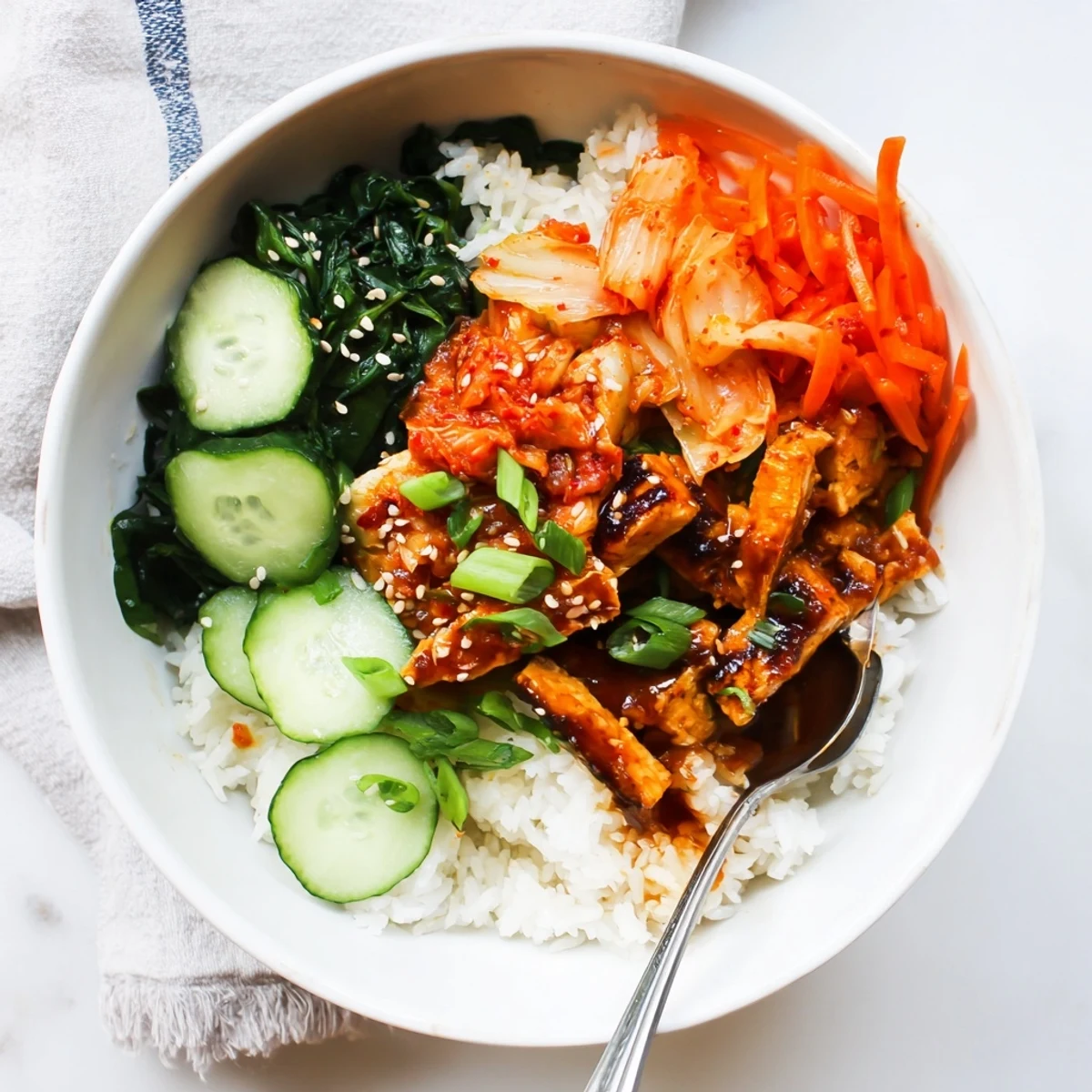
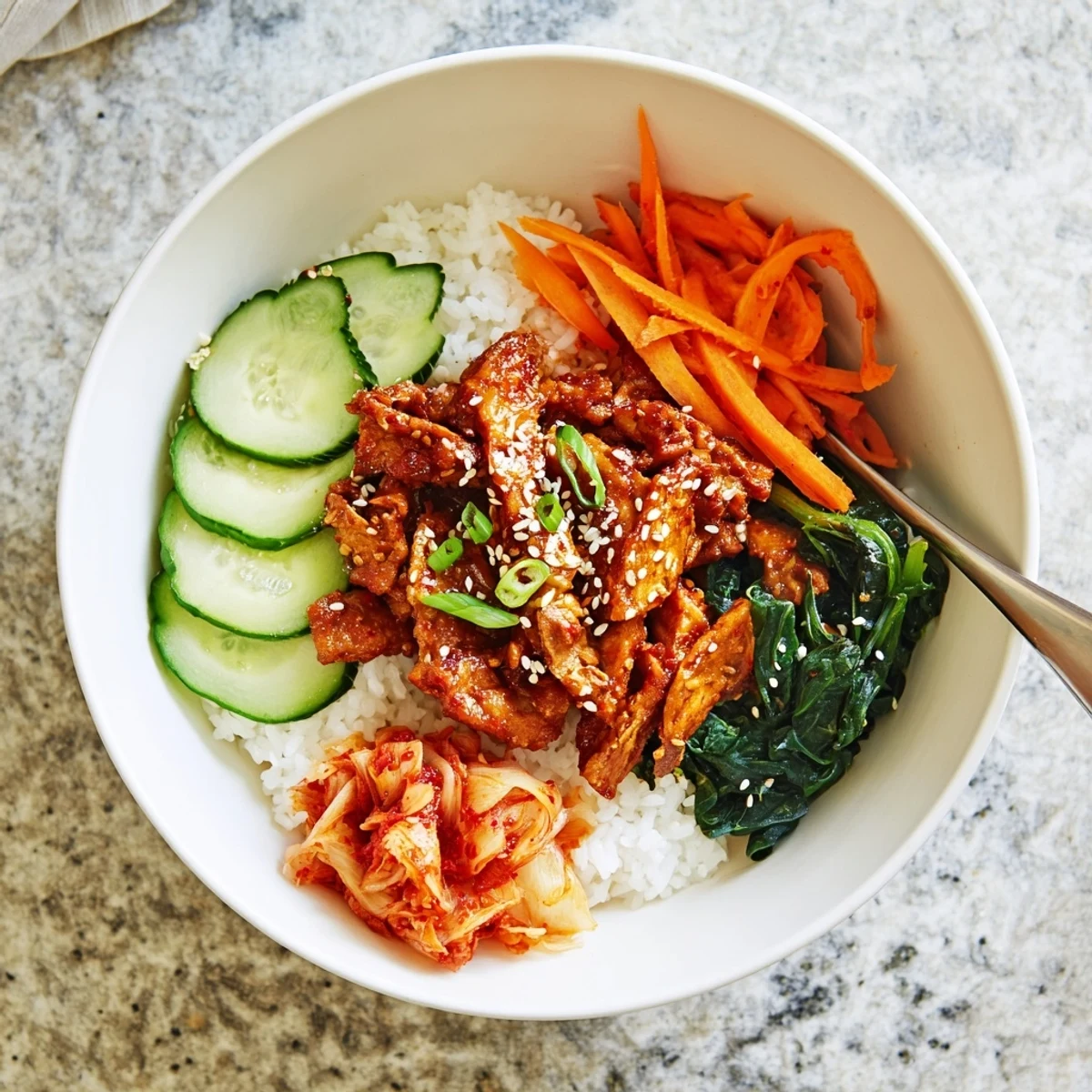
I always put the rice down first, then arrange veggies in sections around the edge like a clock face. It looks intentional and keeps things from getting soggy in one spot. The tofu goes right in the center because it is the star and should be the first thing you see.
Making It Yours
The beauty of a bowl like this is that nothing is sacred except the crispy tofu and the sauce. Swap in roasted sweet potato, add a soft fried egg on top if you eat eggs, or throw in sautéed mushrooms for extra umami depth.
- Cauliflower rice works surprisingly well if you want to go lower carb
- A drizzle of mayo mixed with a little sriracha on top adds a creamy element that ties everything together
- Make double the sauce and keep it in the fridge because you will want to use it on everything
 Pin It
 Crank up some music, get your hands in that tofu, and do not overthink the assembly. The best bowls are the ones you make on a weeknight when you are just hungry and want something genuinely good.
Recipe Questions & Answers
- → How do I get the tofu really crispy?
-
Press the tofu thoroughly to remove excess moisture, shred it into small pieces, and coat evenly with cornstarch. Bake at 220°C on parchment paper, tossing halfway through, until golden and crunchy all over.
- → Can I pan-fry instead of baking the tofu?
-
Absolutely. Heat a non-stick skillet with a tablespoon of neutral oil and cook the cornstarch-coated tofu in batches over medium-high heat, turning occasionally, until crisp on all sides.
- → Is this bowl gluten-free?
-
With a simple swap it can be. Replace the soy sauce with tamari and verify that your gochujang is labeled gluten-free. Everything else in the bowl is naturally gluten-free.
- → What can I substitute for gochujang?
-
Sriracha works well if you want heat without the fermented depth of gochujang. For a milder option, skip it entirely—the bulgogi sauce is still deeply flavorful from soy sauce, sesame oil, and brown sugar.
- → Can I prepare components ahead of time?
-
You can make the bulgogi sauce and prep all vegetables a day in advance and store them in the fridge. For the best texture, cook the tofu fresh and assemble bowls right before serving.
- → What rice works best for this bowl?
-
Short-grain white rice is traditional and gives the bowl its signature sticky, comforting base. Brown rice, quinoa, or cauliflower rice are great alternatives depending on your preference.