
 Pin It
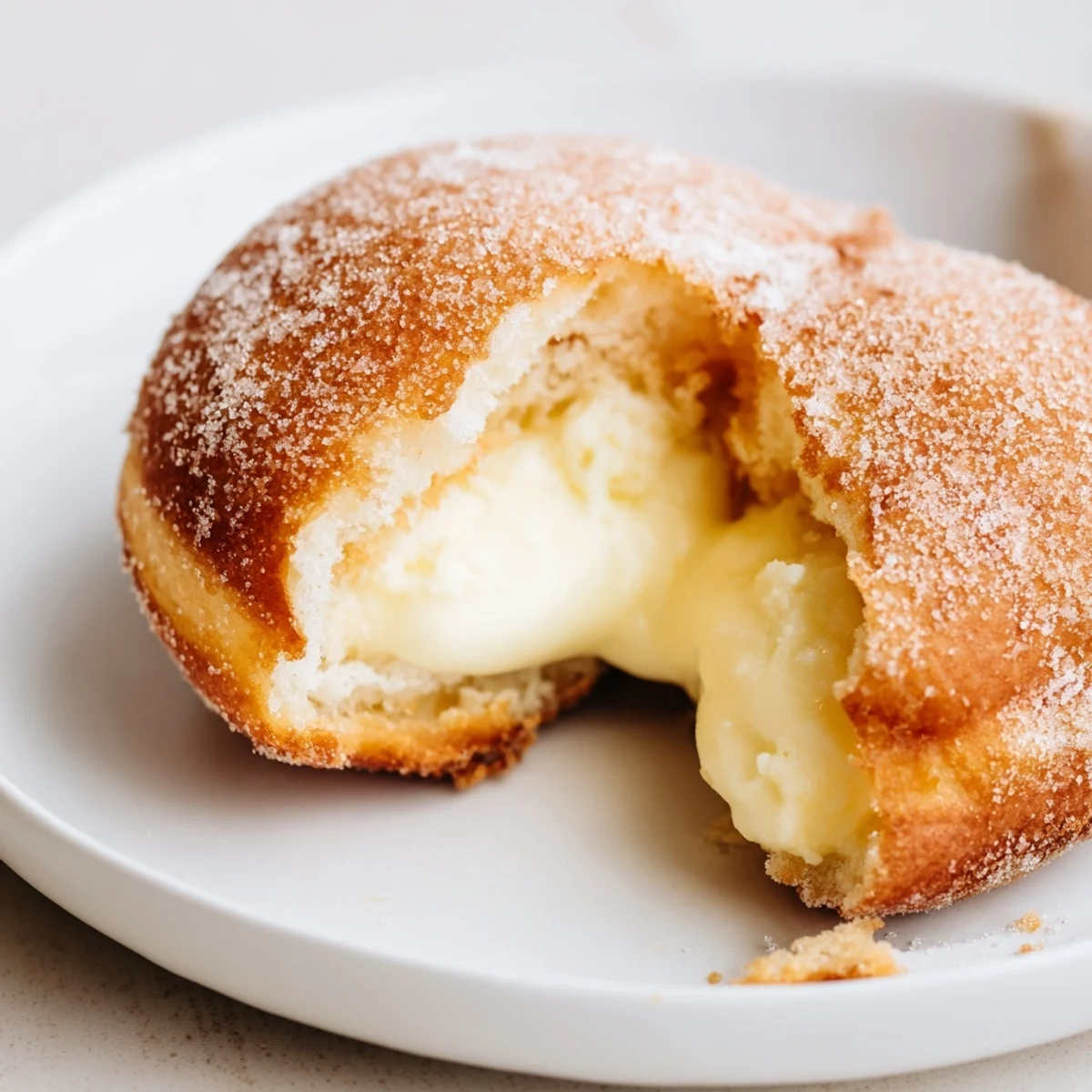
 Master the art of authentic Italian bomboloni with this detailed guide to creating soft, airy donuts filled with velvety vanilla pastry cream. The process begins with a yeasted dough that requires proper kneading and two rising periods to achieve that signature pillow-like texture. While the dough rises, you'll prepare a classic pastry cream by tempering egg yolks with hot milk and cooking until thickened.
Frying at the right temperature—350°F—ensures golden exteriors while maintaining fluffy interiors. A generous coating of granulated sugar immediately after frying creates that irresistible sweet crunch. The final touch involves piping the chilled cream into each cooled donut, resulting in a perfect balance of textures and flavors. These homemade treats capture the essence of Italian bakeries and are best enjoyed fresh with your morning espresso.
The tiny pastry shop in Florence had these cooling on a wire rack right by the window, sugar catching the morning light. I bought three and ate them walking toward the Ponte Vecchio, getting powdered sugar all over my black coat. That was the moment I understood why Italians consider breakfast something to be savored, not rushed through.
My sister and I attempted these one Christmas Eve, setting up a donut assembly line in my tiny apartment kitchen. We ended up with flour everywhere, burnt fingertips from hot sugar, and about twenty slightly misshapen donuts that disappeared before midnight anyway. Now it is our holiday tradition, mostly because nothing says celebration like warm fried dough filled with vanilla cream.
Ingredients
- All-purpose flour: Bread flour works too, but regular flour gives that tender pillowy texture we want
- Active dry yeast: Make sure it is not expired, otherwise the dough will not rise properly
- Whole milk: The fat content matters for both the dough and pastry cream
- Unsalted butter: Softened for the dough, cold for the pastry cream finish
- Egg yolks: Room temperature yolks incorporate better into the pastry cream base
- Cornstarch: This is what gives the filling that gorgeous thick texture
Instructions
- Make the dough base:
- Combine flour, sugar, yeast and salt in your stand mixer, then pour in the warm milk, crack in the eggs, add vanilla and softened butter. Knead until the dough becomes smooth and slightly tacky, about eight minutes of mixer time or ten by hand.
- Let it rise:
- Place the dough in a lightly greased bowl, cover with plastic wrap or a clean kitchen towel, and walk away for at least an hour until it has doubled in size. This patience part is non negotiable.
- Shape the rounds:
- Punch down that beautiful risen dough and roll it out until it is about three quarters of an inch thick. Cut rounds with a three inch cutter, place them on parchment paper, and let them rise again for thirty to forty five minutes until puffy.
- Prepare the pastry cream:
- Heat milk in a saucepan until it is steaming but not boiling, then whisk together your yolks, sugar and cornstarch until pale. Slowly pour the hot milk into the yolk mixture while whisking constantly, return everything to the pot, and cook until thickened. Stir in butter and vanilla, then press plastic wrap directly onto the surface and chill completely.
- Fry until golden:
- Heat oil to 350 degrees and fry two or three donuts at a time for about three minutes per side until they are deep golden brown. Let them drain on paper towels for just a moment before rolling them in sugar while still warm.
- Fill with cream:
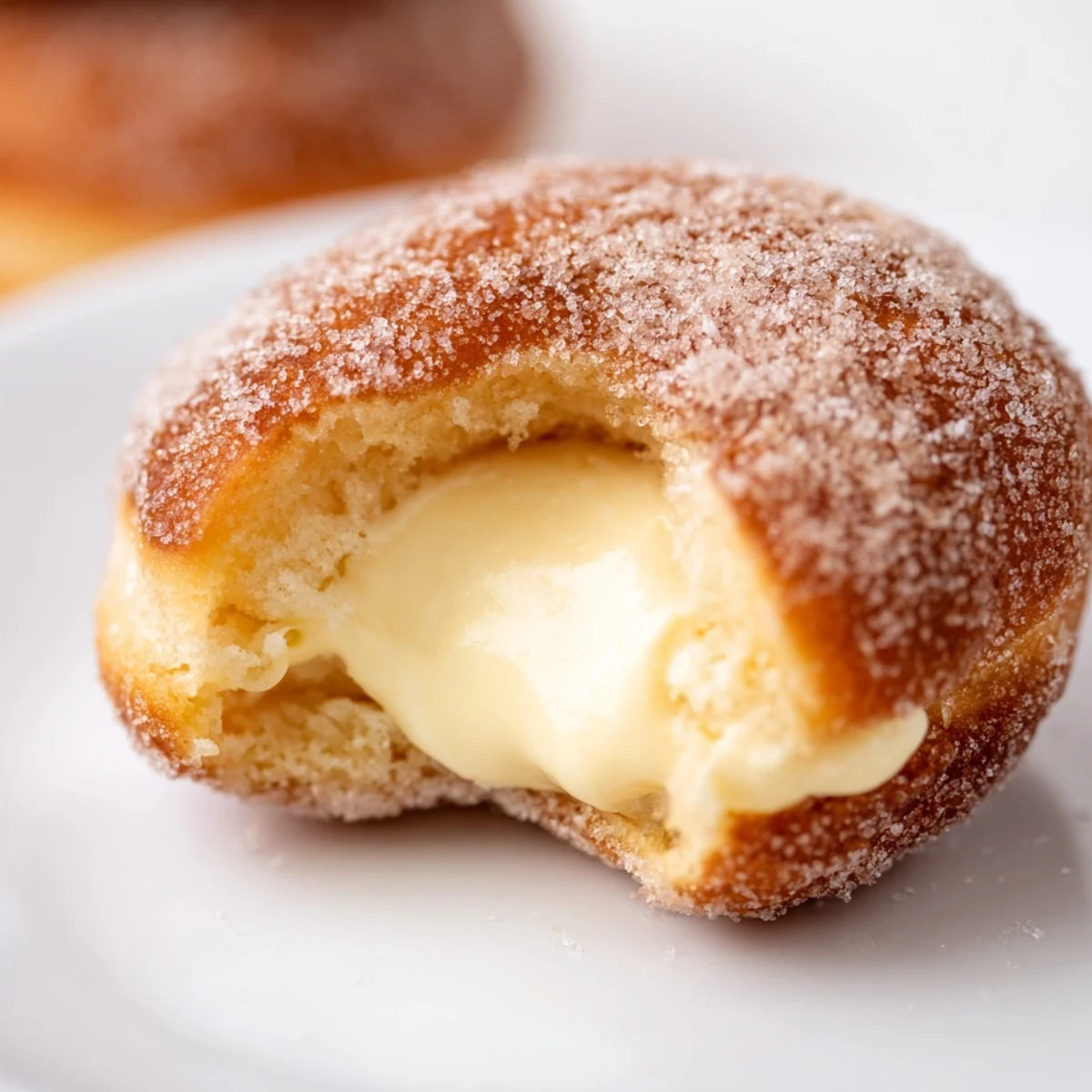
- Once the donuts have cooled enough to handle, poke a small hole in the side of each one. Fill a piping bag with your chilled pastry cream and pipe generously until you feel a slight resistance, which means the donut is perfectly full.
 Pin It
 Last summer I made a batch for a neighborhood gathering and watched my neighbor's seven year old take one bite, eyes go wide, and immediately ask if he could have another. His mother laughed and said that was the highest compliment her son could possibly give. Sometimes the most enthusiastic reviews come from the smallest critics.
Making Pastry Cream Ahead
The filling can be made up to two days in advance and stored in the refrigerator with plastic wrap pressed directly onto the surface. This actually works in your favor since the cream needs to be thoroughly chilled before piping anyway. Just give it a quick whisk to smooth it out before filling your donuts.
Frying Without Fear
Deep frying intimidates so many home cooks, but the truth is that maintaining the right temperature does most of the work for you. If your oil is too hot, the outside will burn before the inside cooks through. Too cool, and you end up with greasy donuts that absorb way too much oil.
Serving Suggestions
These are spectacular with a shot of espresso or a cappuccino, just as they would serve them in Italy. The bitterness of the coffee cuts through the richness of the cream and balances the sweetness perfectly.
- Sprinkle with cinnamon sugar instead of plain sugar for a warming twist
- Try adding a teaspoon of espresso powder to the pastry cream for a mocha version
- These really are best eaten within a few hours of frying while they are still fresh
 Pin It
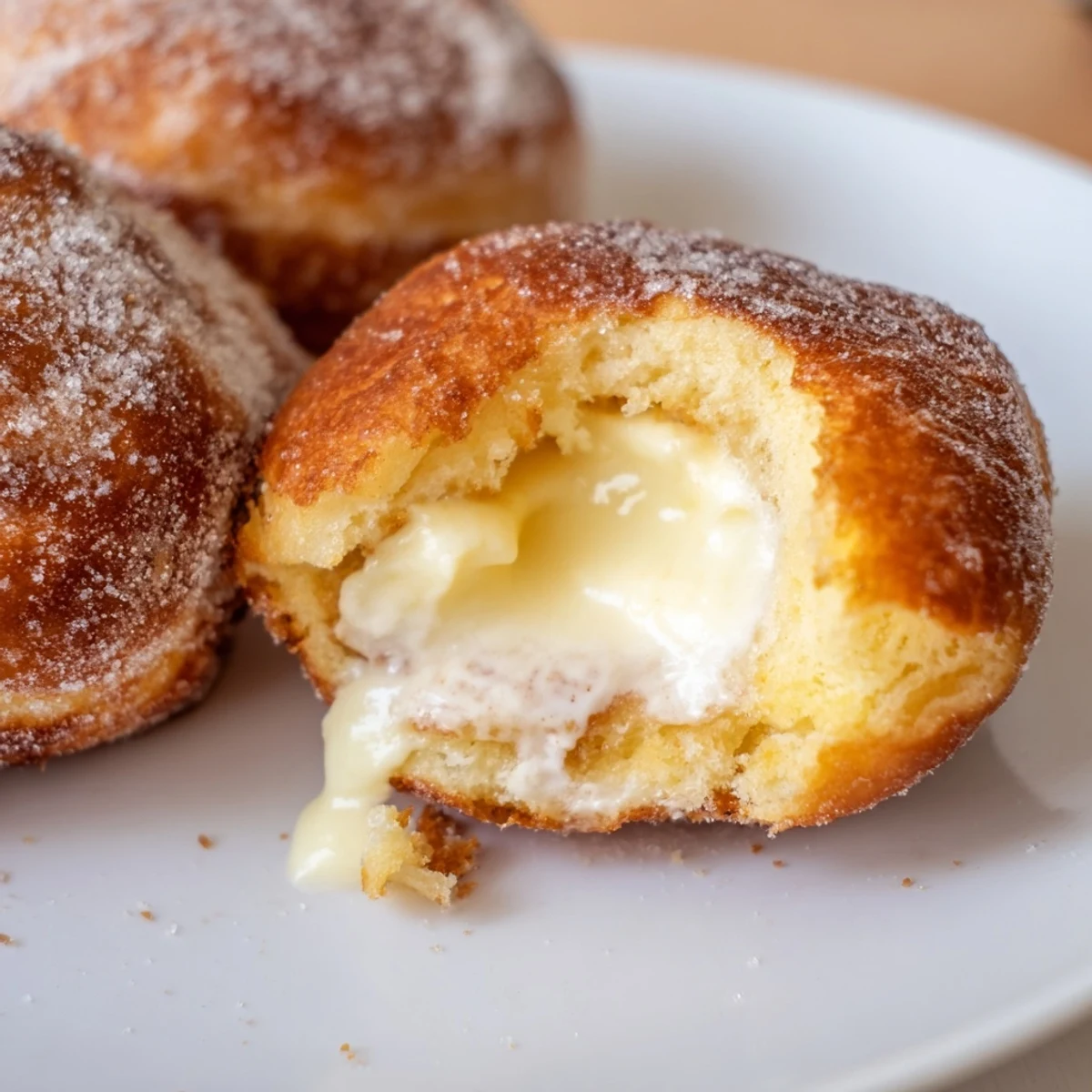
 There is something deeply satisfying about biting into a freshly filled bomboloni, that moment when the crisp sugar shell gives way to soft dough and creamy filling. It is worth every minute of waiting time.
Recipe Questions & Answers
- → What makes bomboloni different from regular donuts?
-
Bomboloni are Italian-style donuts characterized by their light, airy yeast dough and generous filling of pastry cream. Unlike American cake donuts, they're fried until golden and typically filled after cooking rather than having a hole in the center.
- → Can I make the dough ahead of time?
-
Yes, you can refrigerate the dough after the first rise overnight. Let it come to room temperature before shaping and proofing. The pastry cream can also be made up to two days in advance and stored in the refrigerator.
- → What's the best oil temperature for frying?
-
Maintain oil temperature at 350°F (175°C) throughout frying. If the oil is too hot, the exterior will burn before the interior cooks through; too cool, and the donuts will absorb excess oil and become greasy.
- → How do I fill the donuts without making a mess?
-
Use a piping bag fitted with a round tip (Bismarck tip works well). Insert the tip into the side of each cooled donut and gently squeeze until you feel slight resistance, indicating the donut is filled. Wipe away any excess cream with a clean knife.
- → Can I bake these instead of frying?
-
While traditional bomboloni are fried, you can bake them at 375°F for 12-15 minutes. The texture will be more bread-like rather than crispy on the outside. Brush with melted butter before rolling in sugar for coating.
- → Why did my dough not rise properly?
-
Common issues include using water that's too hot (killing the yeast) or too cold (slow activation), expired yeast, or a drafty environment. Ensure your milk is lukewarm (105-110°F) and place the dough in a warm, draft-free spot to rise.