
 Pin It
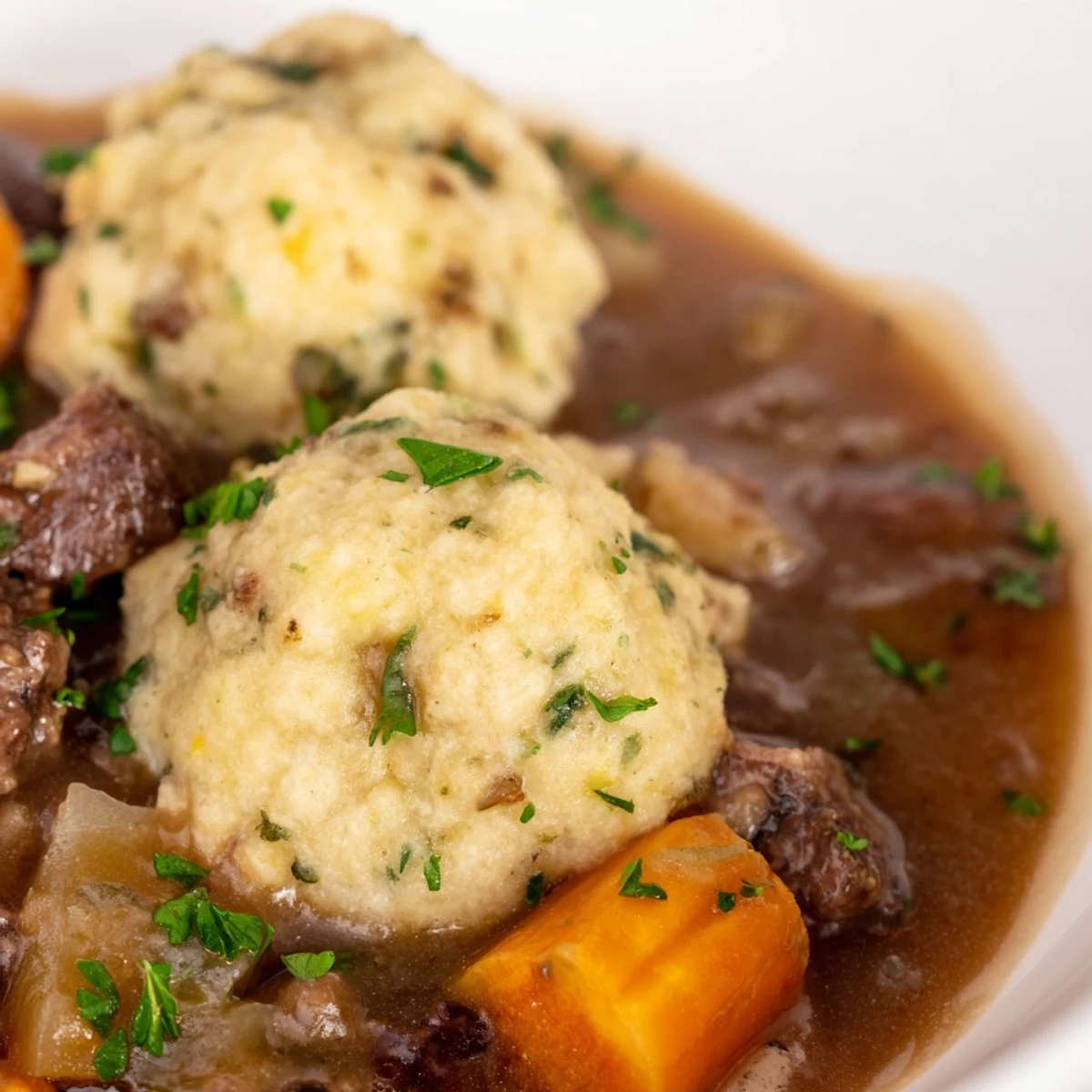
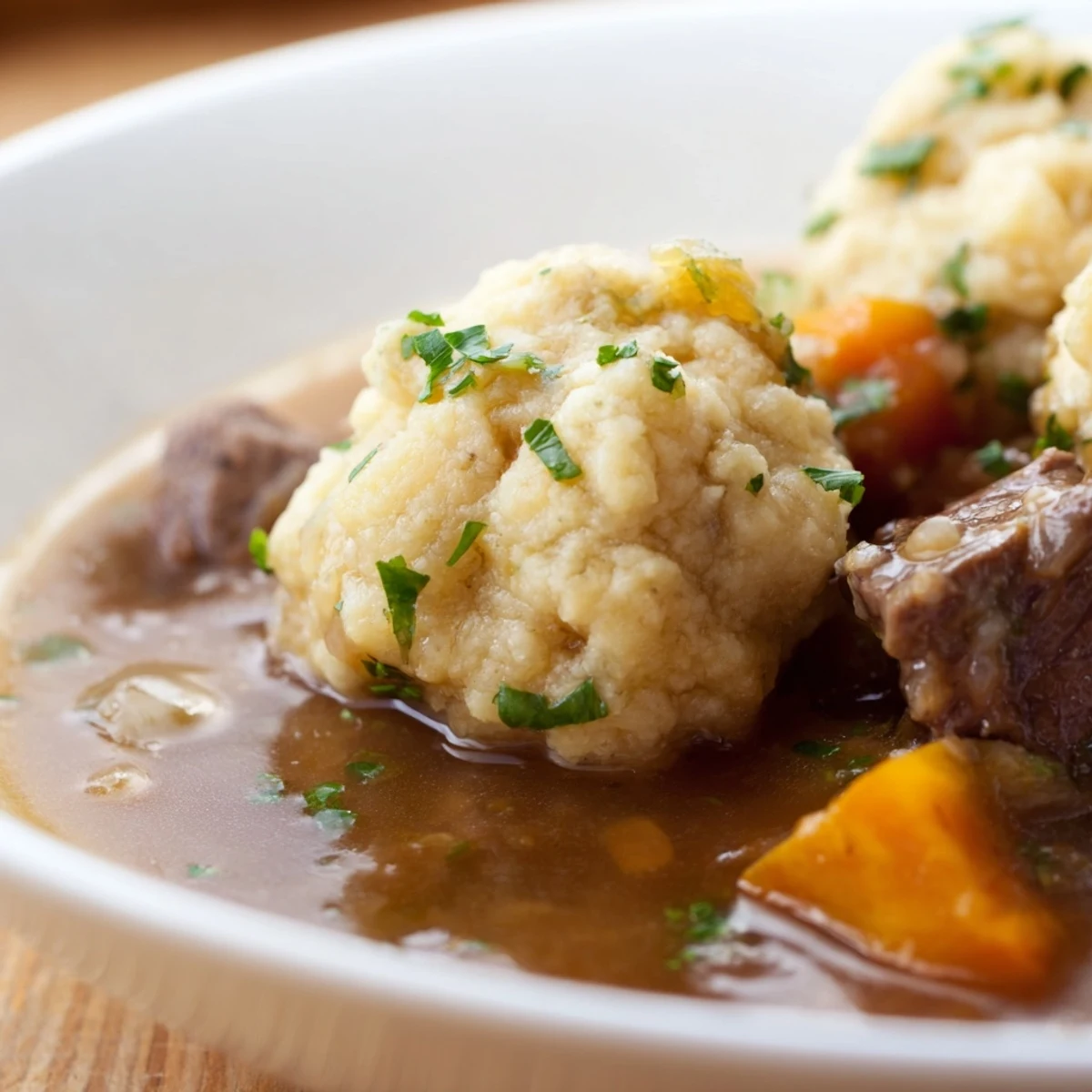
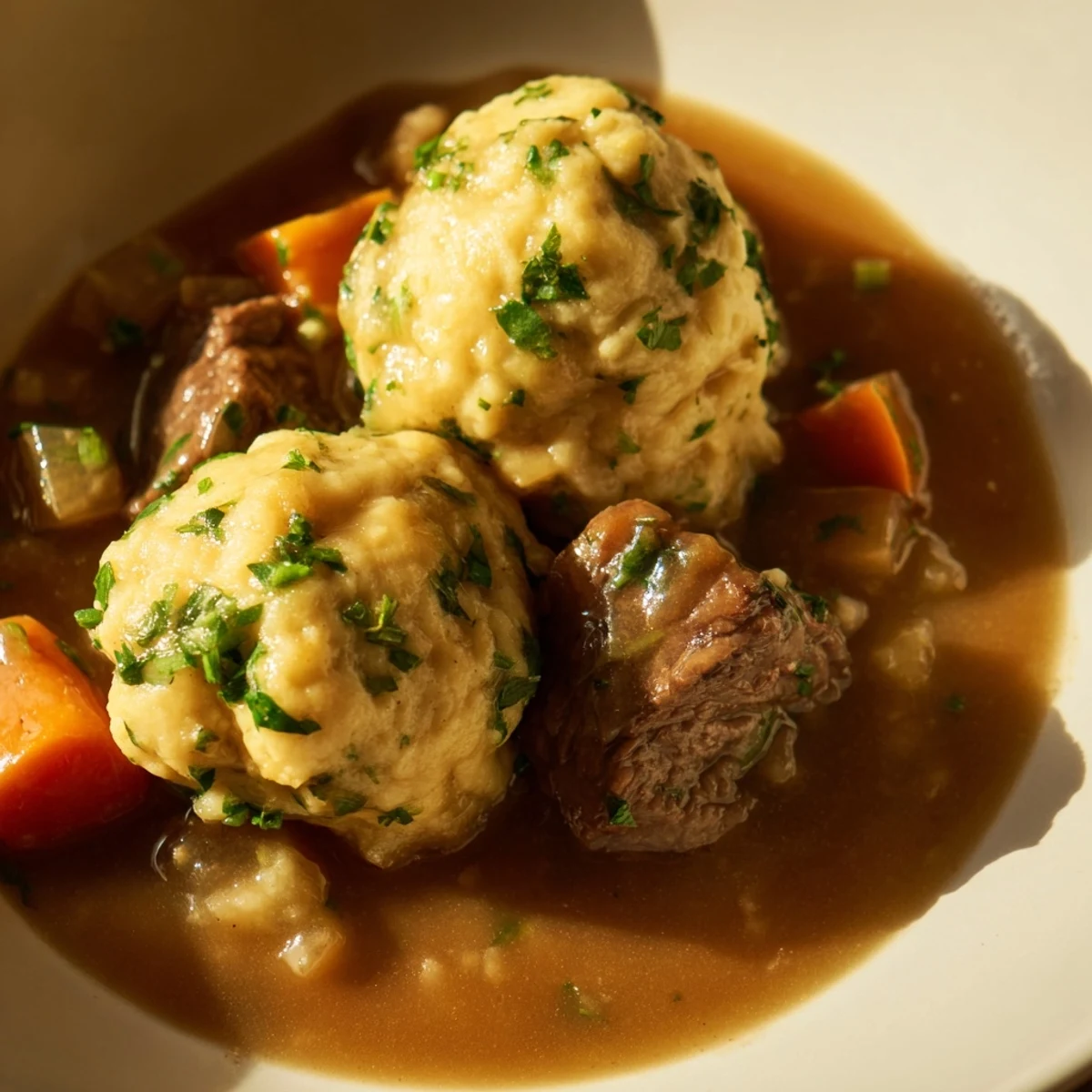
 This dish brings together tender cubes of beef simmered with carrots, celery, parsnips, and aromatic herbs. A rich beef broth enriched with red wine creates a deep, comforting base. The highlight includes light, fragrant dumplings made from fresh parsley, chives, and thyme, baked atop the stew until golden and fluffy. Perfect for cozy meals, this combination offers layered textures and warming flavors that satisfy and nourish.
There's something about a properly made beef stew that stops time in a kitchen. Years ago, my neighbor brought over a pot of this on a brutally cold evening, and the moment I lifted that lid, I understood why stew had survived centuries of cooking. The steam rose like a promise, carrying thyme and wine and something indefinably cozy. That night, watching people gather around bowls of tender beef and fluffy dumplings, I realized this wasn't just dinner—it was hospitality in its most honest form.
I made this for my partner on a day when everything felt scattered and difficult. Chopping vegetables became meditative, and by the time those dumplings hit the top of the stew, the kitchen smelled so good that somehow the whole day felt manageable again. It's funny how a meal can do that—turn a rough afternoon into something worth remembering fondly.
Ingredients
- Beef chuck (2 lbs): This cut has enough marbling and connective tissue to become silky and rich as it braises, not tough like leaner cuts would be.
- Vegetable oil (2 tbsp): High heat oil keeps the beef from steaming while browning, which builds that crucial deep flavor.
- Onion, garlic, carrots, celery, parsnips: These aromatic vegetables form the stew's foundation and soften into the sauce as they cook.
- Tomato paste (1 tbsp): Just enough to add depth and slight acidity without making the stew taste tomatoey.
- All-purpose flour (3 tbsp): This thickens the stew naturally while the beef braises, creating a silky rather than heavy texture.
- Beef broth and red wine (4 cups and 1 cup): The wine adds complexity and cuts through richness, while broth carries all the savory flavors that make people ask for seconds.
- Bay leaves, thyme, rosemary: Dried herbs are reliable here because the long cooking time coaxes out their flavor steadily.
- All-purpose flour, baking powder, salt (for dumplings): This combination creates a tender, quick-rising dumpling without requiring special ingredients.
- Cold butter (1/4 cup): Cutting cold butter into flour creates pockets of steam that make dumplings light and fluffy.
- Fresh parsley, chives, thyme: Fresh herbs stirred in at the end brighten the dumplings so they don't taste heavy or old.
- Milk (3/4 cup): Brings the dumpling dough together and should be added gently so you don't overwork the flour.
Instructions
- Preheat and get ready:
- Set your oven to 325°F so it's ready when you need it. Having everything prepped before you start cooking means you won't be scrambling once the beef hits the heat.
- Brown the beef deeply:
- Heat oil in your Dutch oven until it shimmers, then brown the beef in batches without crowding the pan—this takes patience, but the brown crust is where the real flavor lives. If you rush and pile the meat in, it steams instead of browning, and you've lost something essential.
- Build the aromatic base:
- Lower the heat and add all your chopped vegetables, letting them soften for about 5 minutes until they start to smell sweet and alive. This is when you realize you're not just making dinner, you're building layers of flavor.
- Add tomato paste and flour:
- Stir the tomato paste into the vegetables and cook it for a minute so it loses its sharp edge, then dust everything with flour and stir constantly for another minute. This prevents lumpy sauce later and lets the flour cook out its raw taste.
- Pour in the liquid carefully:
- Gradually add the broth and wine while stirring, scraping up all the browned bits from the bottom of the pot—that's concentrated flavor you absolutely want. Keep stirring until there are no flour lumps hiding anywhere.
- Return the beef and add aromatics:
- Put all the beef back in, add your bay leaves and dried herbs, then bring everything to a gentle simmer. You're not looking for a rolling boil, just a calm simmer that tells you the braising is happening properly.
- Let the oven do the work:
- Cover the pot and slide it into the oven for 1.5 to 2 hours until the beef is fork-tender and the sauce has become silky. The slow, even heat of the oven is what transforms tough beef into something that falls apart at the gentlest nudge.
- Make the dumplings while the stew braises:
- Whisk together flour, baking powder, and salt, then rub in the cold diced butter with your fingertips until it looks like coarse breadcrumbs—this is crucial for light dumplings. Stir in your fresh herbs, add milk gradually, and mix just until a soft dough comes together; overworking it makes them dense.
- Increase oven heat and add dumplings:
- Pull the stew out, bump the oven to 375°F, then drop spoonfuls of dumpling dough across the top in a single layer—about 12 dumplings is right. They'll spread slightly and puff up as they bake.
- Bake covered, then uncover:
- Bake covered for 20 minutes to let the dumplings cook through without browning too fast, then uncover and bake another 10 minutes until they're puffed and just beginning to turn golden. This two-stage baking keeps them tender inside and gives them a delicate top.
- Finish and serve:
- Fish out the bay leaves, ladle the stew and dumplings into bowls, and serve immediately while everything is steaming and the dumplings are at their fluffiest. This is the moment people remember, not the cooking.
 Pin It
 One winter afternoon, a friend's child asked why dumplings float, and in explaining it—something about steam and density—I realized how much of good cooking is just understanding small physics happening in your pot. That curious question made the whole recipe feel less like following instructions and more like creating something together, which is really what cooking should be.
When to Serve This
This stew belongs on tables when it's cold outside and people need feeding deeply. It's the kind of meal that works for casual family dinners, for feeding guests who are staying over, for potlucks where you want people to linger and talk longer than usual. The beauty of it is that nothing falls apart if guests are late—the stew only improves as it sits, and the dumplings can wait in the oven to bake while you're still finishing drinks.
Flavor Building and Variations
Once you understand how this stew works, you can gently adjust it. A splash of Worcestershire sauce in the last few minutes adds a savory depth that makes people pause and try to figure out what makes it taste so good. A handful of frozen peas stirred in near the end brings a touch of brightness against the richness. Fresh thyme or rosemary sprinkled over the top of the finished stew adds a fragrant final note, and some cooks swear by a small spoonful of mustard or even cocoa powder to complicate the flavors beautifully.
Equipment and Make-Ahead Notes
You need a proper Dutch oven or heavy ovenproof pot—the kind that distributes heat evenly and can go straight from stovetop to oven without complaint. A dull knife is more dangerous than a sharp one, so take a moment to sharpen yours before chopping all these vegetables. The whole stew can be made through step 7 up to 2 days ahead, then stored in the refrigerator; simply reheat it gently before adding the dumplings and continuing from step 9.
- If you're serving a crowd, make the dumpling dough separately and bake it fresh just before serving for the best texture and puff.
- Crusty bread is your friend here—use it to soak up every bit of that silky sauce.
- A robust red wine served alongside makes the whole meal feel intentional and complete.
 Pin It
 There's a quiet magic in how this stew brings people together without trying. You make it, you serve it, and somehow a table full of people feels calmer, warmer, more themselves. That's worth the time it takes.
Recipe Questions & Answers
- → How do I achieve tender beef in this stew?
-
Slow cooking the beef at a low temperature for 1.5 to 2 hours allows the connective tissues to break down, resulting in tender, flavorful meat.
- → What herbs are used in the dumplings?
-
Fresh parsley, chives, and thyme add fragrant, savory notes that complement the richness of the stew.
- → Can I prepare the stew ahead of time?
-
Yes, the stew benefits from resting; flavors deepen when refrigerated overnight and gently reheated before baking the dumplings.
- → What if I don't have a Dutch oven?
-
Any ovenproof pot with a tight-fitting lid works well for slow simmering in the oven.
- → How can I customize the vegetables?
-
Carrots, celery, and parsnips create a classic base, but you can add peas or swap herbs like dill or tarragon for variation.