
 Pin It
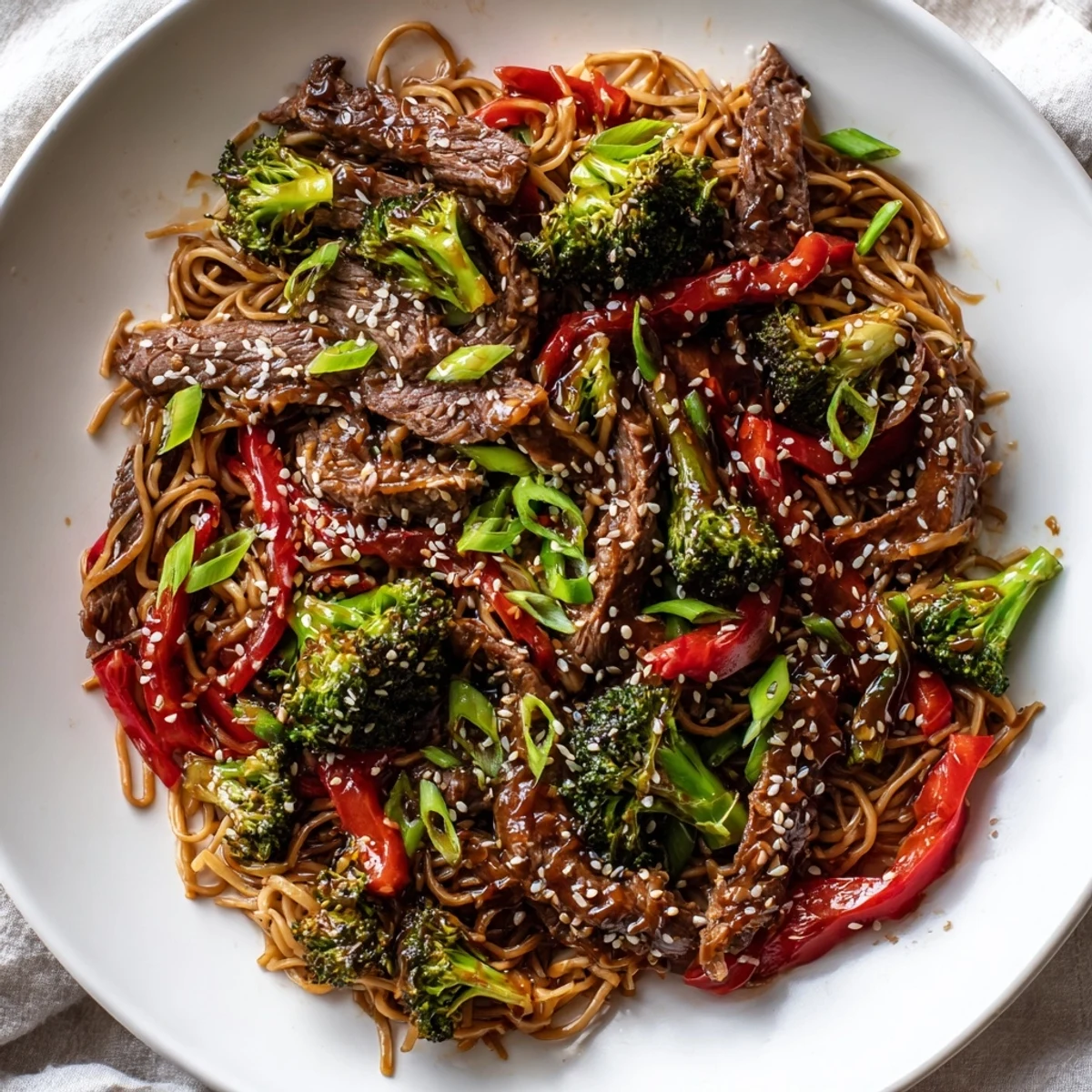
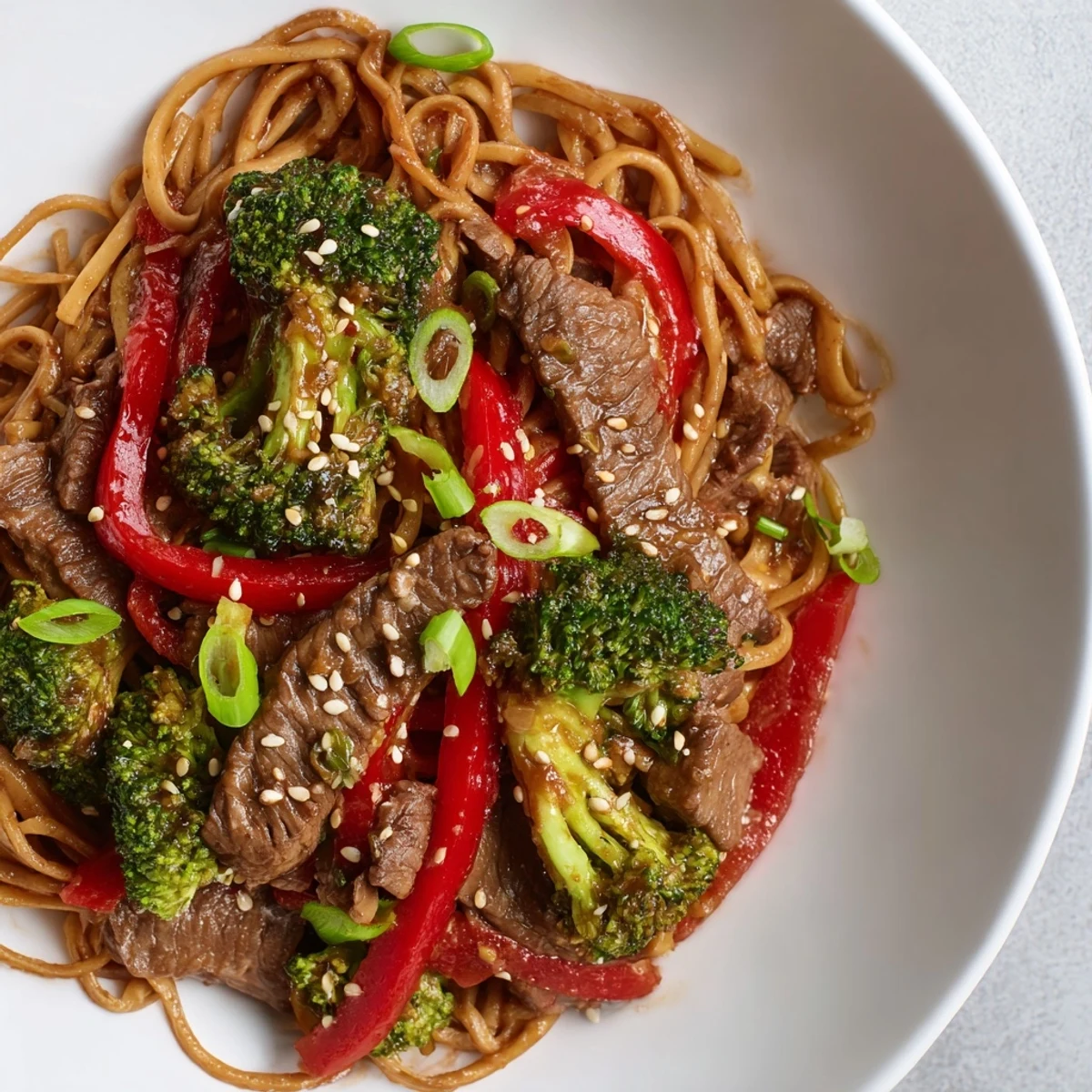
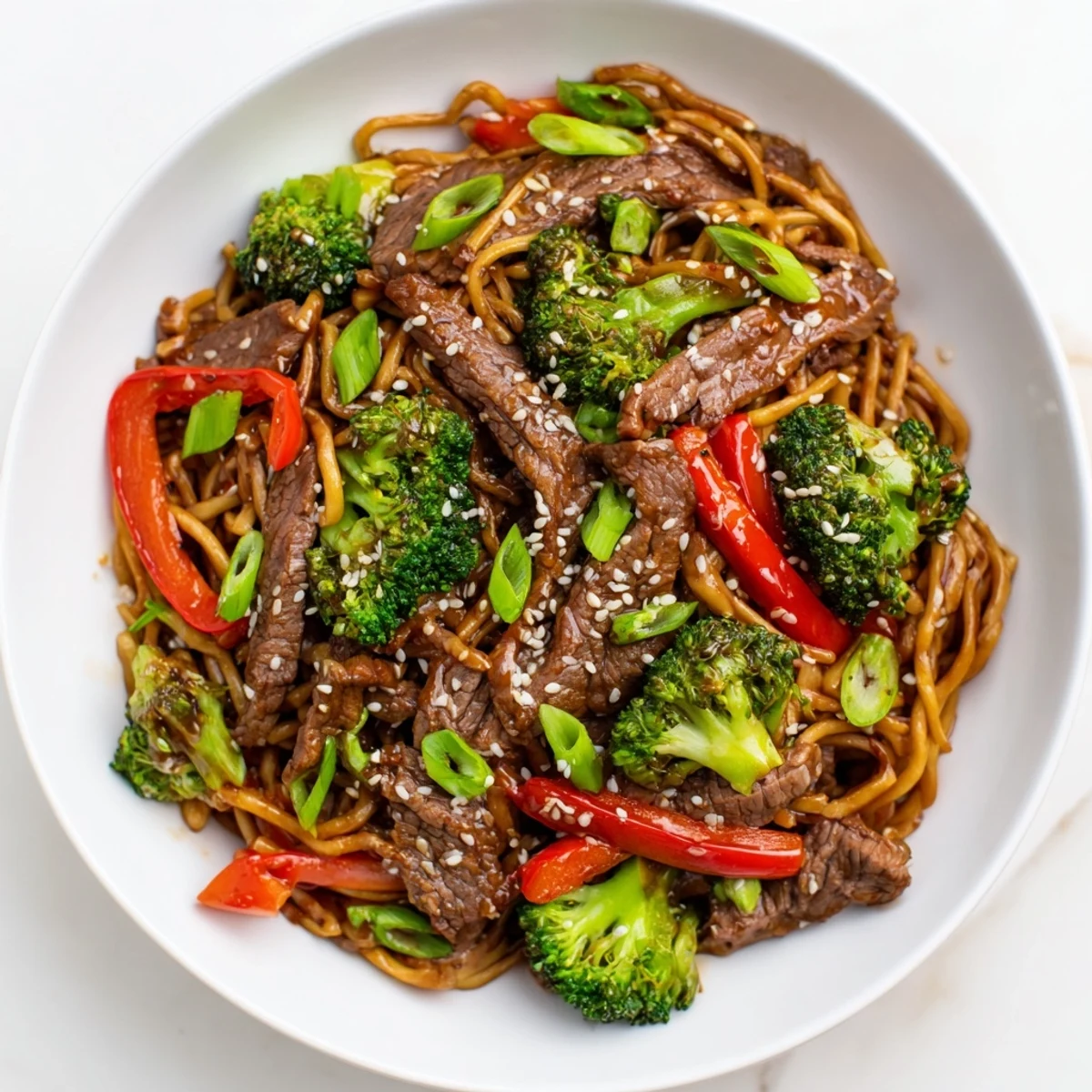
 This dish features thinly sliced flank steak marinated in soy and sesame, stir-fried with crisp broccoli, bell pepper, and aromatic garlic and ginger. Cooked lo mein noodles are combined with a flavorful blend of soy, oyster, hoisin sauces, rice vinegar, and toasted sesame seeds to create a vibrant, satisfying dish. Ready in under 40 minutes, it’s ideal for an easy, Asian-inspired main course that balances savory, sweet, and umami notes.
My first encounter with proper lo mein came on a rainy Tuesday when my neighbor, who'd just returned from Beijing, insisted on cooking it in my kitchen. I remember the sound of the wok hitting the burner, that distinctive sizzle when the beef hit the oil, and how she laughed when I flinched at the heat. What struck me most wasn't the technique but how alive the whole dish felt—every element moving with purpose, nothing sitting still long enough to lose its character. That night, I understood why lo mein had become her go-to comfort meal.
I made this for a small dinner party once, and what I didn't anticipate was how the aroma would fill my entire apartment within minutes. One guest arrived early and stood in the kitchen just watching, captivated by how quickly the colors changed in the wok—that moment when raw broccoli shifts to bright, vibrant green. By the time we sat down to eat, the whole evening felt less formal and more like we were sharing something alive and immediate.
Ingredients
- Flank steak, thinly sliced: The grain matters here—slice against it so each piece stays tender, not chewy, when it hits the hot wok.
- Lo mein noodles: If you can't find them, spaghetti works, though lo mein's slightly thicker texture holds the sauce better.
- Broccoli florets: Cut them roughly uniform so they cook evenly; smaller florets catch more sauce in their crevices.
- Sesame oil: Use it sparingly—a little goes a long way in terms of that nutty, toasted flavor that anchors the whole dish.
- Soy sauce, oyster sauce, hoisin: These three form the flavor trinity; don't skip any or the balance tips out of proportion.
- Fresh garlic and ginger: Mince them fine and add them near the end so their brightness doesn't get buried under prolonged heat.
- Toasted sesame seeds: Toast your own if possible—store-bought sometimes taste flat by comparison.
Instructions
- Coat and rest the beef:
- Toss your sliced beef with soy sauce, cornstarch, and sesame oil, then let it sit for 10 minutes. The cornstarch acts as a mini armor, sealing in moisture so the beef stays tender even under high heat.
- Cook the noodles:
- Follow package directions, then rinse them under cold water to stop the cooking and prevent them from clumping together into a solid mass.
- Build your sauce:
- Whisk everything together in a small bowl so it's ready to pour when things move fast in the wok. No scrambling mid-cook.
- Sear the beef:
- Get your wok screaming hot, then add oil and beef together. You want a quick sear, 2-3 minutes max, so the meat browns without turning tough. The carryover heat will continue cooking it slightly after you remove it.
- Cook the vegetables:
- Fresh oil, high heat, broccoli and pepper first for 2-3 minutes so they keep their snap. Garlic and ginger join for just 30 seconds—any longer and they burn, any shorter and they disappear.
- Bring it all together:
- Return the beef, add noodles and sauce, then toss for 2-3 minutes so everything melds without becoming mushy. The sauce should coat each strand evenly.
- Finish with confidence:
- Stir in green onions at the last second so they stay fresh and bright, then hit everything with sesame seeds and serve immediately while the noodles still have character.
 Pin It
 There's something magical about lo mein that transforms a simple dinner into something that feels intentional, almost ceremonial. When I plate it and hand a bowl to someone, I watch them breathe in that aroma, and suddenly the day's stress just seems to fall away.
The Wok Is Your Canvas
If you don't have a wok, a large skillet works fine, but understand that a wok's curved shape helps you toss everything with momentum rather than effort. The high sides also mean less splatter, and the shape naturally funnels ingredients together. If you do have a wok, get it properly hot before anything touches it—this is non-negotiable. Room temperature wok plus cold ingredients equals steam, not the crisp, seared result you're after.
Timing Is Everything
Lo mein moves fast once you start, so mise en place—having everything prepped and positioned before heat hits the pan—transforms this from stressful to meditative. Measure your sauce into a bowl, slice your beef and vegetables, mince your garlic and ginger, cook your noodles. When you're ready to cook, each step flows into the next without hesitation or scrambling.
Variations and Mood Swings
This recipe is flexible enough to adapt to what's in your fridge or what your appetite demands. Some nights call for heat, some for sweetness, some for extra vegetables because you're eating more greens that week. The sauce balance can shift—add less hoisin if you prefer brightness over richness, more oyster sauce if you want deeper umami. This is cooking as conversation, not dictation.
- Stir in 1 tsp chili paste or red pepper flakes for heat that builds rather than shocks.
- Swap beef for chicken breast, pork tenderloin, or tofu depending on what aligns with your mood and pantry.
- Toss in sautéed mushrooms, snap peas, or water chestnuts for texture variation and extra nutrition without disrupting the core formula.
 Pin It
 This dish became my answer to the question 'what's for dinner?' on nights when I needed something that felt both comforting and alive. It asks very little of you but gives back something that tastes like care.
Recipe Questions & Answers
- → What cut of beef works best for this dish?
-
Flank steak is ideal due to its tenderness and flavor when sliced thinly against the grain.
- → Can I substitute the lo mein noodles with something else?
-
Yes, spaghetti or other thin noodles can be used as a substitute if lo mein noodles aren't available.
- → How can I add more spice to this dish?
-
Incorporate chili paste or red pepper flakes into the sauce to increase heat.
- → What is the role of cornstarch in marinating the beef?
-
Cornstarch helps tenderize the beef and creates a slight coating that locks in juices during stir-frying.
- → Are there suitable alternatives to beef for a different protein?
-
Chicken or tofu are excellent alternatives, providing variety while complementing the sauce and vegetables.