
 Pin It
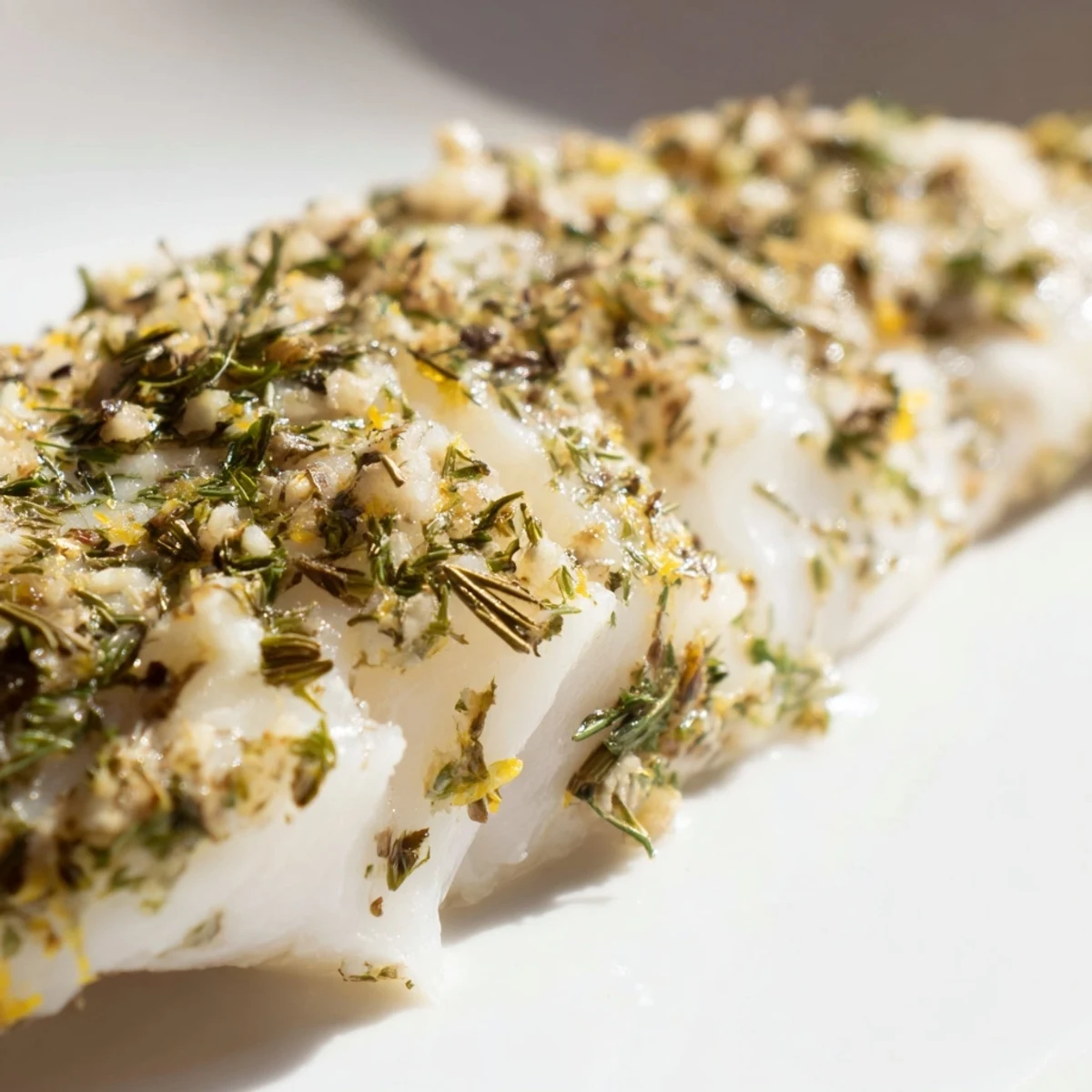
 Baked hake is a simple yet elegant Mediterranean dish that brings restaurant-quality simplicity to your dinner table. Tender, flaky white fish is enhanced with fresh herbs like parsley, dill, and thyme, combined with bright lemon zest and juice for a naturally vibrant flavor profile. The olive oil-based herb mixture clings beautifully to the fillets as they bake, creating a moist, aromatic main course in under 20 minutes of cooking time. Perfect for weeknight dinners or entertaining, this gluten-free and low-carb dish pairs wonderfully with steamed vegetables or a crisp salad, making it both nutritious and satisfying.
The scent of lemon and herbs wafting through my kitchen window always transports me to that summer in Greece where I first tasted something similar to this baked hake dish. Standing in a tiny waterfront taverna, watching a fisherman's wife prepare the day's catch with such simple ingredients yet incredible care, I knew I had to recreate that magic at home. What started as an attempt to capture vacation memories has become one of my most reliable weeknight dinners.
Last winter, when my sister was visiting with her picky-eater kids, I served this hake without telling them what it was. The kitchen fell silent as everyone took their first bites, then my 7-year-old nephew looked up with wide eyes and asked for seconds. My sister texted me three days later saying hed been asking when they could come back for that fish dinner.
Ingredients
- Hake fillets: This underrated fish has a delicate sweetness that pairs beautifully with herbs, and I've learned it's much more forgiving for beginners than other white fish.
- Fresh herbs: The combination of parsley, dill and thyme creates layers of flavor that dried herbs simply can't match, though in winter I've been known to substitute with whatever's available.
- Lemon zest and juice: After years of experimenting, I've found the bright acidity cuts through the mild fish perfectly while helping to keep everything moist.
- Olive oil: Use the good stuff here, as it forms part of the sauce and carries the herbal flavors.
Instructions
- Prep your baking dish:
- Start with a light coating of olive oil in your baking dish, just enough to prevent sticking without pooling. I learned the hard way that too much oil at this stage makes the final dish unnecessarily greasy.
- Arrange the fillets:
- Place your hake in a single layer, giving each piece a little breathing room. Crowding the fish causes it to steam rather than bake properly.
- Create your herb mixture:
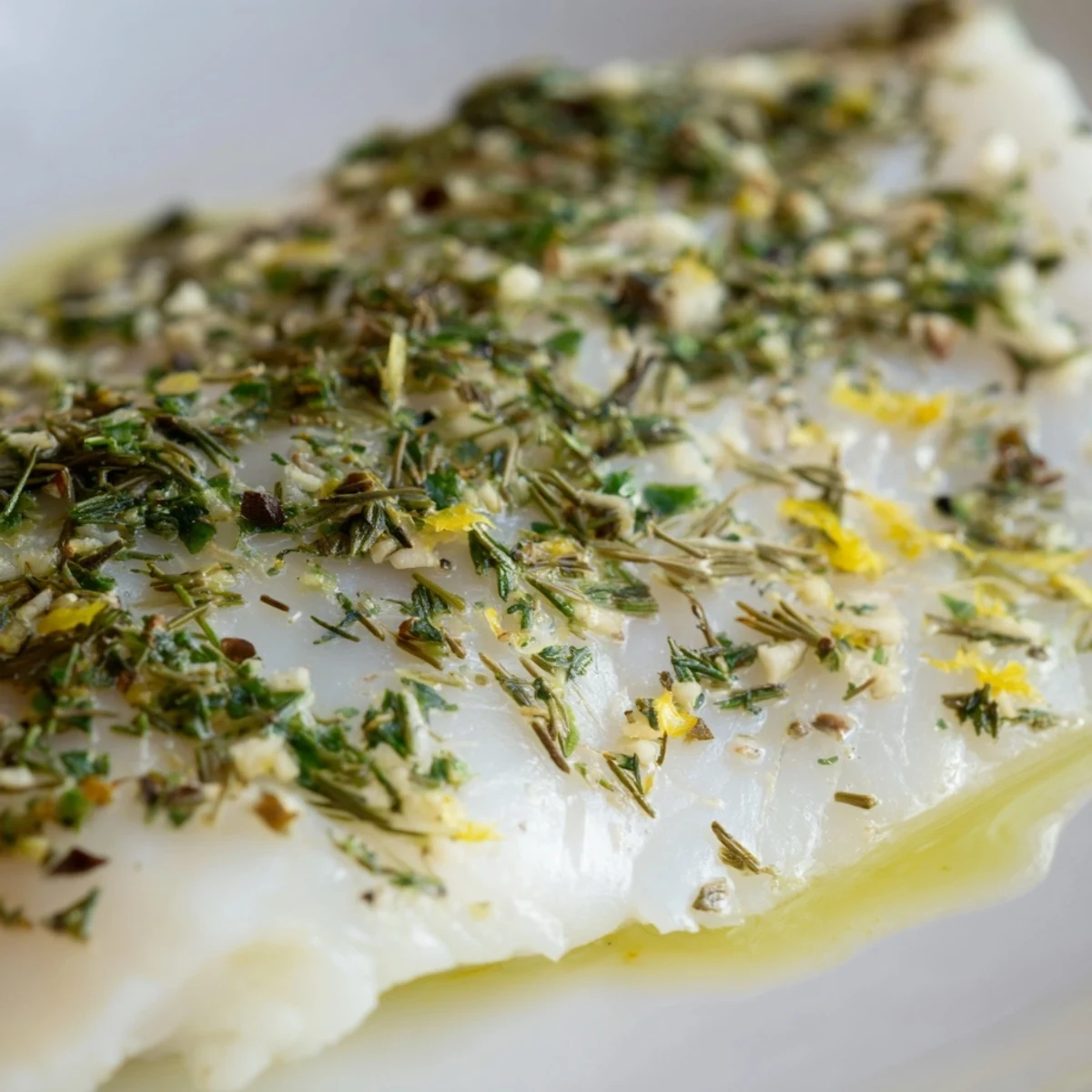
- In your small bowl, combine the olive oil, minced garlic, all those fragrant chopped herbs, lemon zest, juice, salt, pepper and chili flakes if you're using them. The mixture should look vibrant green with specks of red if you added the chili.
- Dress the fish:
- Spoon that gorgeous herb mixture over each fillet, making sure to cover the entire surface. I like to press it gently with the back of the spoon to help the flavors adhere.
- Bake to perfection:
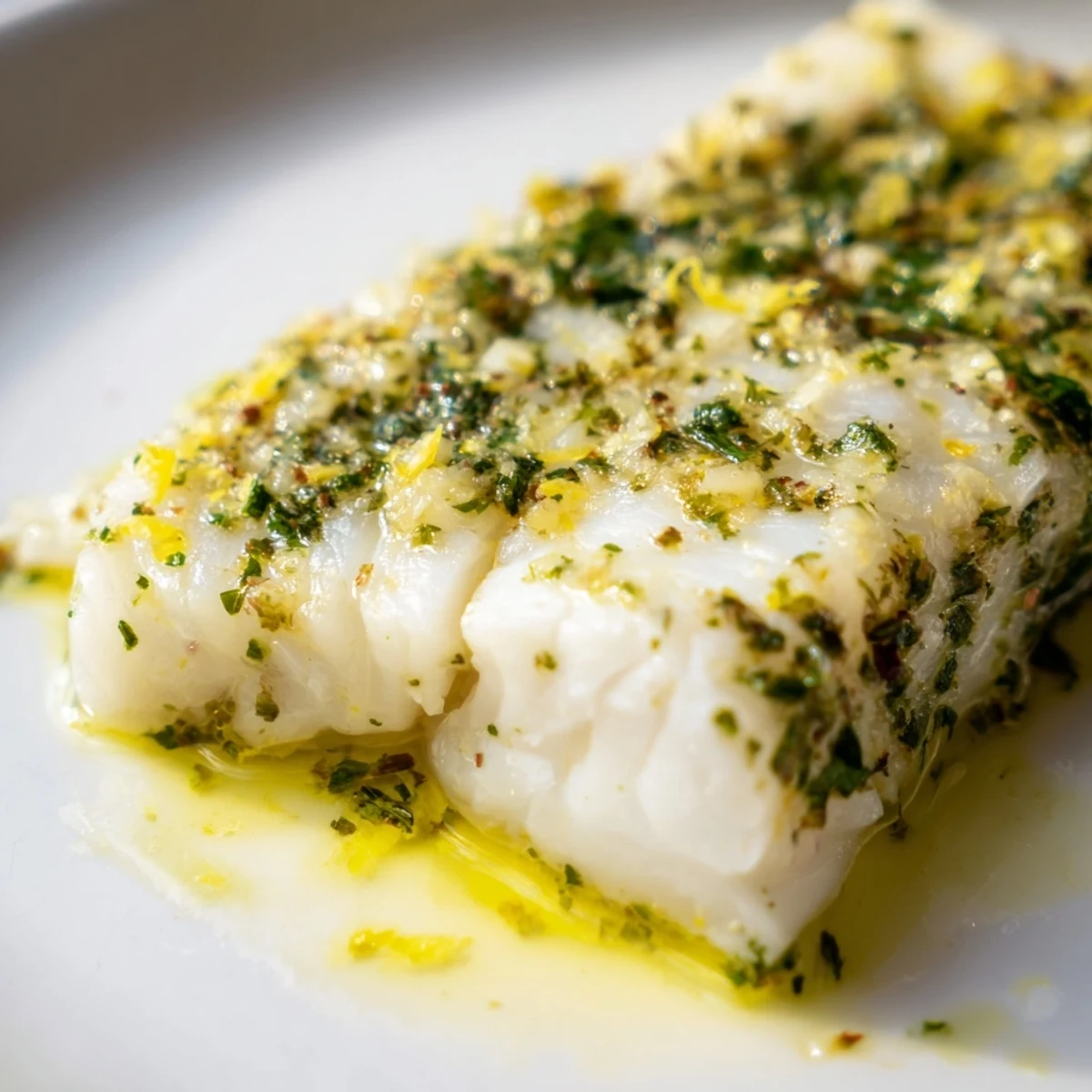
- Slide the dish into your preheated oven and set a timer for 15 minutes. You'll know it's ready when the fish turns opaque and flakes easily when gently prodded with a fork.
- Garnish and serve:
- Finish with a scattering of fresh herbs and lemon wedges for squeezing over at the table. These final touches wake up all the flavors just before eating.
 Pin It
 This recipe became something special one autumn evening when I served it to my friend going through chemotherapy. Her sense of taste had been altered by treatments, but she called the next day to say this was the first meal she could actually taste and enjoy in weeks. Sometimes the simplest dishes carry the most meaning, and now this one reminds me how food can be healing in more ways than just nutrition.
Serving Suggestions
I've paired this hake with countless sides over the years, but my absolute favorite is a simple pile of garlicky sautéed spinach with a squeeze of the same lemon used for the fish. For heartier appetites, roasted baby potatoes tossed with olive oil and sea salt make a perfect companion, soaking up any extra herb sauce from the fish. When entertaining, I serve it alongside a colorful Mediterranean orzo salad for a meal that looks far more complicated than it actually is.
Fish Selection Tips
When shopping for hake, look for fillets with firm, translucent flesh without any grayish tinge, which indicates age. The fish should smell clean and oceanic, never fishy. I've learned through trial and error that sustainable choices matter not just for environmental reasons but for quality too. Sustainably caught hake tends to be handled more carefully from boat to market, resulting in better texture and flavor in the final dish.
Making It Your Own
While I love the Mediterranean direction of this recipe, I've experimented with different flavor profiles over the years with great success. The basic technique remains incredibly versatile no matter what seasonings you choose.
- For an Asian-inspired twist, swap the Mediterranean herbs for ginger, scallions, cilantro, and a splash of soy sauce and sesame oil.
- When cooking for spice lovers, increase the chili flakes and add a pinch of smoked paprika for depth and warmth.
- During summer months, try adding a handful of halved cherry tomatoes around the fish during the last 5 minutes of baking for bursts of sweet acidity.
 Pin It
 Whether you're cooking to impress or simply to nourish yourself after a long day, this baked hake delivers something special without demanding too much of you. It's the perfect reminder that good ingredients treated simply often create the most memorable meals.
Recipe Questions & Answers
- → What type of white fish works best if I don't have hake?
-
Cod, haddock, halibut, or sea bass are excellent substitutes. Choose fillets of similar thickness (about 150g each) to ensure even cooking. Adjust baking time slightly if using thicker cuts—aim for opaque flesh that flakes easily with a fork.
- → Can I prepare this dish ahead of time?
-
Yes, you can assemble the dish up to 2 hours before baking. Arrange fillets in the baking dish, cover with the herb mixture, and refrigerate until ready to bake. Add 2-3 minutes to cooking time if baking from cold.
- → How do I know when the fish is perfectly cooked?
-
The flesh should be opaque throughout and flake easily when tested with a fork. Avoid overcooking, as white fish dries quickly. At 200°C, 15-20 minutes is typically ideal for 150g fillets. Start checking at 15 minutes.
- → What vegetables pair well with this dish?
-
Steamed or roasted asparagus, green beans, broccoli, and zucchini complement the lemon flavors beautifully. Roasted potatoes, cauliflower rice, or a fresh arugula salad also work wonderfully for a complete, balanced meal.
- → Can I add other ingredients to enhance the flavor?
-
Absolutely. Cherry tomatoes, Kalamata olives, capers, or roasted bell peppers add wonderful Mediterranean character. A splash of white wine or fish stock can increase moisture. Adjust salt accordingly if adding salty ingredients like olives.
- → Is this dish suitable for those with dietary restrictions?
-
Yes, it's naturally gluten-free, low-carb, and keto-friendly. It's also dairy-free and works well for those following paleo or Mediterranean diets. Always verify all ingredients are free from cross-contamination for severe allergies.